
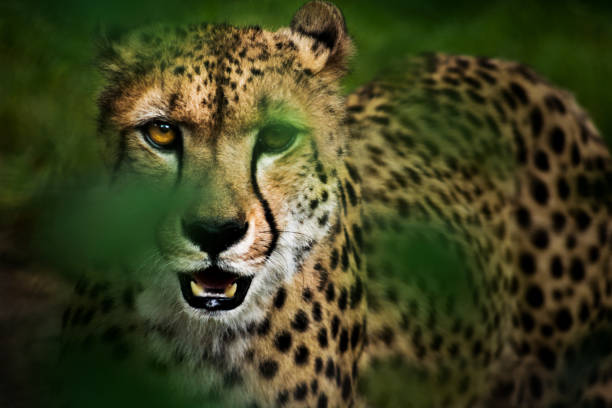
Tanzania is one of Africa’s best-known safari destinations because it offers extensive national parks, diverse landscapes, abundant wildlife, seasonal migration movements, cultural experiences, and accommodation for different budgets.
Planning a first safari can feel complicated because travelers must choose between many parks, seasons, lodges, routes, transport methods, and package prices. A good itinerary should balance wildlife viewing with realistic driving times and sufficient rest.
First-time visitors should avoid selecting too many destinations in a short period. Spending several nights in important wildlife areas usually provides a better experience than changing lodges every day.
Why Choose Tanzania for Your First Safari?
Exceptional Wildlife
Tanzania supports lions, elephants, leopards, cheetahs, buffaloes, giraffes, wildebeest, zebras, hippos, antelopes, primates, and abundant birdlife.
Famous National Parks
Serengeti, Tarangire, Lake Manyara, Nyerere, Ruaha, and other protected areas offer very different safari landscapes and wildlife experiences.
Ngorongoro Crater
The crater provides access to concentrated resident wildlife across grassland, forest, wetland, spring, and seasonal lake habitats.
Great Migration
Seasonal movements of wildebeest, zebras, and gazelles create different wildlife opportunities across the wider Serengeti ecosystem.
Flexible Accommodation
Travelers can choose public camping, basic lodges, comfortable tented camps, luxury properties, and premium mobile camps.
Safari and Beach
Wildlife itineraries can be combined with Zanzibar, Pemba, Mafia Island, or the Tanzanian coast.
Best Safari Circuit for First-Time Visitors
The Northern Safari Circuit is commonly recommended for a first Tanzania safari. It offers a practical route connecting several famous wildlife destinations from Arusha.
Known for elephants, baobab trees, river habitats, seasonal wetlands, predators, antelopes, and birds.
Famous for open plains, rocky kopjes, resident predators, abundant wildlife, and seasonal migration movements.
A volcanic crater supporting concentrated wildlife within diverse habitats and dramatic highland scenery.
A compact park containing groundwater forest, lake habitats, escarpment scenery, primates, elephants, and birds.
Suitable for a short introductory trip, walking safari, canoeing experience, or arrival-day activity near Arusha.
A remote landscape destination that may be added for scenery, cultural activities, hiking, and birdlife.
How Many Days Do First-Time Visitors Need?
| Safari Duration | Possible Route | Suitable For |
|---|---|---|
| Three to four days | Tarangire and Ngorongoro | Travelers with limited time who accept a faster travel pace. |
| Five days | Tarangire, Serengeti, and Ngorongoro | Short first safaris with several long road transfers. |
| Six to eight days | Tarangire, Serengeti, and Ngorongoro | Most first-time visitors seeking a balanced Northern Circuit safari. |
| Nine to twelve days | Four parks or several Serengeti regions | Travelers wanting a relaxed pace, photography, or migration-focused routing. |
| Twelve days or longer | Safari and Zanzibar combination | Visitors combining wildlife, culture, relaxation, and beach time. |
Recommended Seven-Day First Safari Route
Sample Tanzania Safari Itinerary for First-Time Visitors
Arusha to Tarangire National Park
Meet your safari guide in Arusha and travel toward Tarangire National Park. Begin your first game drive among baobab trees, grasslands, woodland, wetlands, and river habitats.
Search for elephants, giraffes, buffaloes, zebras, wildebeest, impalas, warthogs, lions, leopards, cheetahs, spotted hyenas, and many bird species.
Arusha – Tarangire National ParkTravel to Serengeti National Park
After breakfast, drive through Karatu and the Ngorongoro Conservation Area toward Serengeti National Park.
Enjoy changing scenery as the route passes farmland, mountain forest, volcanic highlands, Maasai communities, open grasslands, and wildlife areas.
Karatu – Ngorongoro – SerengetiFull-Day Central Serengeti Game Drive
Explore plains, river systems, woodland, rocky kopjes, and established predator territories during a full day of wildlife viewing.
Look for lions, leopards, cheetahs, elephants, buffaloes, giraffes, wildebeest, zebras, hippos, crocodiles, hyenas, antelopes, and birds.
Full-Day Central Serengeti SafariMigration or Resident Wildlife Safari
Follow routes selected according to the travel season, recent wildlife reports, rainfall, road conditions, and accommodation location.
When migration herds are accessible, your guide may focus on those areas. Otherwise, the day will concentrate on resident wildlife and productive predator territories.
Seasonal Serengeti Wildlife ExplorationFlexible Full-Day Serengeti Safari
Use this additional day to explore a different region, revisit productive areas, spend more time photographing wildlife, or enjoy a slower safari pace.
An optional sunrise balloon safari may be available at an additional cost, depending on weather, location, and availability.
Serengeti National ParkSerengeti to Ngorongoro Highlands
Enjoy a final morning game drive in Serengeti before traveling toward the Ngorongoro Conservation Area.
Arrive at accommodation near the crater rim, inside the conservation area, or around Karatu. Highland temperatures can become cold during the evening.
Serengeti – Ngorongoro HighlandsNgorongoro Crater and Return to Arusha
Descend to the Ngorongoro Crater floor for a game drive across grasslands, forest, wetlands, springs, and seasonal lake habitats.
Search for lions, elephants, buffaloes, wildebeest, zebras, spotted hyenas, hippos, warthogs, gazelles, birds, and possible black rhinos.
After lunch, ascend from the crater and return to Arusha.
Ngorongoro Crater – ArushaBest Time for a First Tanzania Safari
| Travel Period | General Conditions | First-Time Visitor Experience |
|---|---|---|
| January to March | Warm, green, and occasionally rainy | Suitable for southern Serengeti, possible calving herds, young animals, and predator activity. |
| April to May | Long rains and lush landscapes | Fewer visitors and possible value, although roads may become muddy and some camps may close. |
| June to October | Generally dry with cool mornings | Popular for first safaris because wildlife may be easier to observe and road conditions are often drier. |
| November to December | Short rains and fresh grazing | Green scenery, birdlife, changing migration routes, and occasional rainfall. |
Private Safari or Group Safari?
Private Safari
- Vehicle reserved for your party
- More flexible departure times
- Greater photography freedom
- Personalized wildlife interests
- Suitable for families and couples
- Usually costs more per person
Shared Group Safari
- Vehicle shared with other travelers
- Can reduce the per-person cost
- Uses a fixed route and schedule
- Less control over daily timing
- Useful for solo travelers
- Group compatibility may vary
Road Safari or Fly-In Safari?
Road Safari
Road safaris provide changing scenery and allow travelers to combine several Northern Circuit destinations in one continuous itinerary.
- Often more affordable than flying
- Suitable for multi-park itineraries
- Includes several long driving days
- Roads may be dusty or rough
- Provides countryside and cultural views
Fly-In Safari
Domestic flights reduce long transfers and provide faster access to selected Serengeti airstrips and remote camps.
- Saves valuable travel time
- Suitable for shorter itineraries
- Common in luxury packages
- Usually increases the total cost
- Luggage restrictions may apply
Safari Accommodation for Beginners
Budget
Public camping, simple lodges, or basic tented camps with essential facilities and practical safari access.
Mid-Range
Comfortable lodges or tented camps with proper beds, private bathrooms, dining areas, and convenient locations.
Luxury
Premium lodges or camps offering spacious rooms, refined dining, personalized service, and selected wilderness locations.
Tented camps are not necessarily basic camping. Many provide permanent or semi-permanent tents with beds, private bathrooms, electricity, dining facilities, and professional service.
Understanding Tanzania Safari Costs
Safari prices depend on the number of days, park fees, accommodation category, group size, travel season, transportation, room arrangements, domestic flights, and optional activities.
| Safari Category | General Cost Level | Typical Features |
|---|---|---|
| Budget safari | Lowest package level | Camping, simple lodges, shared departures, or fewer premium services. |
| Mid-range safari | Moderate cost | Comfortable accommodation, private bathrooms, good meals, and private or shared vehicles. |
| Luxury safari | Higher cost | Premium camps, larger rooms, selected locations, personalized service, and refined dining. |
| Premium fly-in safari | Highest package level | Domestic flights, remote camps, exclusive services, and reduced driving time. |
Questions to Ask Before Booking
- Is the safari private or shared?
- Which parks and accommodation are included?
- Are park fees and taxes included?
- Which meals and drinks are included?
- What vehicle will be used?
- How many passengers share the vehicle?
- Are airport transfers included?
- Are domestic flights included?
- What happens if accommodation becomes unavailable?
- What is the cancellation policy?
- Which optional activities cost extra?
- Who provides support during the safari?
What Is Usually Included?
Usually Included
- Professional safari guide
- Four-wheel-drive safari vehicle
- Fuel and scheduled road transfers
- National park entrance fees
- Accommodation according to the package
- Meals according to the itinerary
- Drinking water during game drives
- Scheduled wildlife game drives
- Applicable taxes listed in the quotation
Usually Excluded
- International flights
- Domestic flights unless confirmed
- Visa charges
- Travel and medical insurance
- Optional balloon safaris
- Alcoholic and premium beverages
- Guide and lodge staff gratuities
- Laundry and personal purchases
- Activities not listed as included
What to Pack for Your First Safari
Clothing
- Lightweight neutral-colored shirts
- Long-sleeved shirts and trousers
- Warm fleece or jacket
- Light rain jacket
- Comfortable closed shoes
- Sun hat and sunglasses
- Comfortable socks and underwear
- Swimsuit where appropriate
Safari Essentials
- Passport and required documents
- Travel insurance information
- Camera and memory cards
- Binoculars
- Power bank and chargers
- Sunscreen
- Insect repellent
- Personal medication
- Soft-sided travel bag
What to Expect on a Game Drive
Early Starts
Game drives may begin before or shortly after sunrise, when temperatures are cool and wildlife can be active.
Long Hours
Some days include several hours inside the vehicle, especially when traveling between parks or searching for distant wildlife.
Rough Roads
Park roads can be uneven, dusty, muddy, or bumpy depending on the season and destination.
Changing Weather
Mornings may be cold, afternoons warm, and rain possible, so layered clothing is recommended.
Picnic Lunches
Full-day game drives may include packed lunches at designated picnic sites inside or near wildlife areas.
Unpredictable Wildlife
Animals move freely, so no sighting, hunt, migration event, river crossing, or black rhino encounter is guaranteed.
Safari Safety for First-Time Visitors
- Follow all instructions from your safari guide.
- Remain inside the vehicle unless your guide says otherwise.
- Do not feed, touch, or disturb wild animals.
- Keep hands and equipment inside the vehicle near wildlife.
- Do not walk alone around unfenced camps at night.
- Use lodge escorts where they are provided.
- Store food according to camp instructions.
- Protect valuables and important documents.
- Drink sufficient water during hot conditions.
- Carry essential medication in your hand luggage.
Tipping on a Tanzania Safari
Tipping is generally voluntary but commonly practiced when guests are satisfied with the service. Travelers may tip safari guides, lodge staff, porters, activity guides, and other service providers.
Suggested amounts vary by company, package level, group size, and service arrangement. Ask your safari operator for current tipping guidance before departure.
Common First-Time Safari Mistakes
Choosing Too Many Parks
Adding too many destinations creates long driving days and reduces useful wildlife-viewing time.
Booking Too Few Days
Very short itineraries may spend more time transferring between destinations than observing wildlife.
Ignoring Camp Location
A lodge far from the intended wildlife area may add several hours of driving each day.
Overpacking
Large suitcases and excessive clothing are difficult to manage in safari vehicles and small aircraft.
Expecting Guaranteed Sightings
Wildlife is unpredictable, and no operator can guarantee every animal or natural event.
Skipping Travel Insurance
Comprehensive insurance is important for cancellations, delays, baggage problems, medical treatment, and emergency assistance.
Frequently Asked Questions
Is Tanzania suitable for a first safari?
Yes. Tanzania offers famous parks, diverse wildlife, different accommodation levels, professional guiding, and practical multi-park safari routes.
Which parks are best for first-time visitors?
Tarangire, Serengeti, and Ngorongoro are commonly recommended. Lake Manyara may also be added when time permits.
How long should my first safari be?
Six to eight days are suitable for many first-time visitors. Five days are possible, while longer trips provide a more relaxed pace.
What is the best month for a first safari?
June through October is popular for generally dry conditions, while January through March may suit southern Serengeti and possible calving-season travel.
Is a private safari better for beginners?
A private safari provides greater flexibility, personalized guiding, and control over departure times, making it suitable for many first-time visitors.
Are Tanzania safaris physically demanding?
Standard vehicle safaris are not highly strenuous, but long drives, rough roads, early mornings, heat, dust, and vehicle entry may affect comfort.
Can children join a Tanzania safari?
Yes. The itinerary should consider children’s ages, driving tolerance, accommodation rules, activities, meals, and room arrangements.
Do I need binoculars?
Binoculars are strongly recommended for distant predators, birds, migration herds, animals in trees, and wildlife near rivers.
Do I need special safari clothing?
Specialized clothing is not essential. Wear practical, comfortable, neutral-colored layers with closed shoes, sun protection, and a warm jacket.
Are tented camps safe?
Reputable camps follow established safety procedures. Guests must follow staff instructions and use escorts where required, particularly after dark.
Will I see the Big Five?
The Northern Circuit offers opportunities to see lions, elephants, buffaloes, leopards, and black rhinos, but no complete Big Five sighting can be guaranteed.
Can I see the Great Migration?
It may be possible when your travel dates and accommodation match current herd locations. Specific migration events cannot be guaranteed.
Can the safari begin from Zanzibar?
Yes. Domestic flights can connect Zanzibar with Arusha, Kilimanjaro, or selected Serengeti airstrips.
Can I combine safari and beach?
Yes. Tanzania safaris are commonly combined with Zanzibar or other coastal destinations for relaxation after the wildlife itinerary.
Can my first safari itinerary be customized?
Yes. Destinations, accommodation, travel dates, safari style, transportation, activities, and number of nights can be customized.
Plan Your First Tanzania Safari
Begin with a balanced route through Tarangire, Serengeti, and Ngorongoro, supported by professional guiding, suitable accommodation, realistic travel times, and carefully planned wildlife experiences.
For a personalized itinerary, provide your travel dates, available days, number of adults and children, accommodation preference, arrival point, budget, and interest in the Great Migration or Zanzibar.
Plan Your First Safari


.png)
.png)
.png)


.jpg)
.jpg)
.jpg)
