
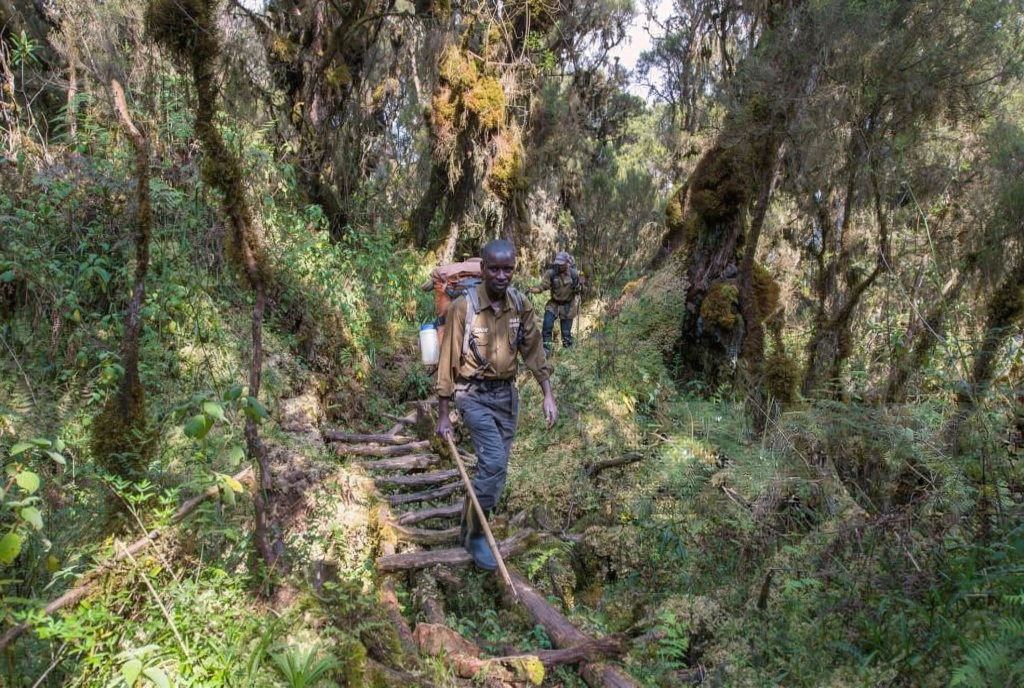
Mount Kilimanjaro is normally climbed as a high-altitude trekking expedition rather than a technical mountaineering climb. However, the absence of technical climbing does not make the expedition easy.
Climbers may spend five to nine days on the mountain, depending on the route. Daily walking involves changing terrain, increasing altitude, cold conditions, limited sleep, and accumulated fatigue.
A useful training plan should therefore include more than running or gym work. Hiking remains the most specific preparation because it develops foot conditioning, uphill stamina, downhill control, balance, equipment familiarity, and confidence on uneven ground.
Beginners should increase training gradually. Doing too much too quickly may cause excessive fatigue, blisters, joint pain, or an injury that interrupts preparation.
Kilimanjaro Training Goals
Fitness Components for Kilimanjaro
Aerobic Endurance
Develop the ability to walk steadily for long periods without becoming exhausted.
Uphill Strength
Train the quadriceps, glutes, calves, hips, and core for prolonged climbing.
Downhill Control
Prepare the legs and knees for long descents after the summit attempt.
Balance and Stability
Improve control on rocks, roots, mud, scree, and uneven trails.
Core Endurance
Maintain posture and stability while carrying a daypack.
Foot Conditioning
Adapt the feet gradually to trekking boots, socks, distance, heat, and repeated walking.
Muscular Stamina
Repeat climbing movements for hours rather than producing maximum short-term power.
Mental Endurance
Practise patience, steady pacing, discomfort management, and consistent effort.
What Beginners Should Be Able to Do Before Departure
- Walk continuously for several hours at a comfortable pace
- Complete a long hike while carrying the planned daypack
- Climb hills or stairs without repeatedly stopping
- Descend uneven terrain with reasonable control
- Complete two hiking days on the same weekend
- Use trekking poles correctly
- Wear trekking boots without major blister problems
- Manage water, snacks, rainwear, and clothing layers
- Recover adequately between training sessions
- Recognize the difference between normal fatigue and injury
Sample Weekly Training Structure
| Day | Training Session | Main Purpose | Beginner Guidance |
|---|---|---|---|
| Monday | Rest or gentle mobility | Recovery | Use light stretching, walking, or complete rest. |
| Tuesday | Cardio session | Aerobic endurance | Walk briskly, cycle, swim, or use an elliptical machine. |
| Wednesday | Strength training | Leg, hip, core, and upper-body strength | Use controlled technique and manageable resistance. |
| Thursday | Hill, stair, or incline session | Climbing-specific fitness | Keep the effort controlled rather than sprinting. |
| Friday | Rest or easy recovery activity | Fatigue management | Reduce intensity before the weekend hike. |
| Saturday | Long hike | Primary Kilimanjaro preparation | Increase time, terrain, hills, and pack use gradually. |
| Sunday | Recovery walk or second hike | Back-to-back endurance | Introduce consecutive hiking days during later weeks. |
12-Week Kilimanjaro Training Plan
Build a Consistent Exercise Routine
The first two weeks establish consistency. Beginners should resist the temptation to begin with long, exhausting sessions.
Complete two moderate cardiovascular sessions such as brisk walking, cycling, swimming, or an elliptical workout.
Add two light strength sessions using bodyweight movements or manageable resistance. Prioritize correct movement rather than heavy loads.
Complete one longer weekend walk on a mostly comfortable route. Wear the socks and footwear intended for training.
Main objective: Develop a repeatable weekly routine without excessive soreness or fatigue.Increase Walking Time and Introduce Hills
Begin adding gentle hills or stairs to one weekly session. The pace should remain controlled enough to sustain the effort.
Increase the weekend walk to approximately two or three hours. Choose mixed terrain if available.
Begin carrying a daypack with water, rainwear, snacks, and a light clothing layer.
Continue strengthening the legs, hips, core, back, and upper body. Include balance exercises after warming up.
Main objective: Become comfortable with longer walking, gentle elevation gain, and carrying a practical daypack.Develop Hill Endurance and Pack Familiarity
Increase the duration of the hill or stair session. Focus on a slow, repeatable pace rather than maximum speed.
Extend the weekend hike and include longer uphill and downhill sections where possible.
Practise eating small snacks and drinking regularly during the hike. Notice which foods remain comfortable during prolonged activity.
Use trekking poles and adjust their length for climbing, descending, and flat terrain.
Main objective: Improve steady climbing ability and identify equipment problems early enough to correct them.Build Multi-Hour Trekking Endurance
These weeks begin the more specific Kilimanjaro preparation. The long hike should involve several hours of continuous movement with planned short breaks.
Add an easy walk on the day after the long hike. The purpose is to practise moving with tired legs rather than setting a speed record.
Wear the complete hiking footwear system, including the planned boots, socks, and optional gaiters.
Test the daypack, rain cover, waterproof liners, hydration system, trekking poles, and clothing layers.
Main objective: Become comfortable walking for most of a day and returning to activity the following morning.Peak Training and Back-to-Back Hiking
Weeks nine and ten contain the largest Kilimanjaro-specific workload for many beginners.
Complete a long hike on the first day and a shorter hike on the following day. Use a realistic daypack and all important equipment.
Include elevation gain and descent where possible. A route with uneven ground is more specific than walking only on a flat road.
Strength training should maintain movement quality without creating severe soreness before the long hikes.
This is also a useful period for a complete equipment test in rain, wind, or cold conditions when safe.
Main objective: Demonstrate the ability to tolerate long walking days, accumulated fatigue, and realistic equipment use.Reduce Volume and Maintain Fitness
Reduce the total training volume after the peak weeks. The goal is to preserve fitness while allowing fatigue to decrease.
Complete a moderate hike but avoid introducing new footwear, unusually heavy loads, or unfamiliar high-intensity exercises.
Review equipment, replace damaged items, and confirm that clothing layers work together.
Main objective: Arrive at the final week healthy rather than continuing to chase additional fitness.Taper, Recover, and Prepare for Travel
Reduce training substantially during the final week. Avoid hard sessions that create muscle soreness, blisters, or injury risk.
Use short walks, gentle mobility, and normal daily movement to remain active.
Prioritize sleep, hydration, balanced meals, equipment organization, travel documents, medication, and final communication with the operator.
Do not attempt a last-minute fitness test. Meaningful fitness development should already be complete.
Main objective: Begin the expedition rested, healthy, organized, and mentally prepared.Beginner Cardio Training
Cardiovascular training improves the ability to sustain movement for long periods. Hiking should remain the most specific activity, but other low-impact options can add useful training volume.
Strength Training for Kilimanjaro
Strength training should support hiking rather than leave the climber too sore to complete endurance sessions. Beginners may start with bodyweight exercises before adding resistance.
Squats
Strengthen the thighs, hips, and glutes for climbing and standing from low positions.
Step-Ups
Reproduce the repeated upward movement required on steep trail sections.
Reverse Lunges
Build single-leg strength, balance, hip control, and stability.
Calf Raises
Prepare the lower legs for long climbing days and repeated push-off.
Hip Hinges
Strengthen the glutes, hamstrings, and back-body movement pattern.
Glute Bridges
Improve hip extension and glute activation with limited equipment.
Rows
Strengthen the upper back for daypack posture and trekking pole use.
Planks
Develop core stability for posture and control on uneven ground.
Sample Beginner Strength Session
| Exercise | Suggested Beginner Volume | Main Training Purpose |
|---|---|---|
| Bodyweight squat or chair squat | Two to three sets of 8–12 repetitions | Leg and hip strength |
| Low step-up | Two to three sets of 8–10 per leg | Uphill movement |
| Reverse lunge or supported split squat | Two sets of 6–10 per leg | Single-leg control |
| Calf raise | Two to three sets of 12–15 | Lower-leg endurance |
| Glute bridge | Two to three sets of 10–15 | Hip extension |
| Resistance-band or cable row | Two to three sets of 8–12 | Back and posture strength |
| Incline push-up | Two sets of manageable repetitions | Upper-body strength |
| Front or side plank | Two to three controlled holds | Core stability |
Hill and Stair Training
Continuous Hill Walking
Walk uphill at a steady pace for a sustained period, then descend carefully.
Hill Repetitions
Repeat a manageable hill several times without sprinting.
Stair Sessions
Use a staircase or stair machine when natural hills are not available.
Incline Treadmill
Adjust the slope and speed to maintain a slow climbing rhythm.
Pack Progression
Add realistic daypack contents gradually rather than using unnecessarily heavy loads.
Downhill Practice
Practise short steps, pole placement, balance, and controlled speed.
Back-to-Back Hiking
Consecutive hiking days are one of the most useful parts of Kilimanjaro preparation because the expedition requires repeated daily effort.
First Hiking Day
- Use the longer and more demanding route
- Carry the planned daypack
- Practise regular hydration and snacks
- Use trekking boots and poles
- Include hills and descents where possible
Second Hiking Day
- Use a shorter or easier route
- Begin while the legs remain tired
- Maintain a slow and steady pace
- Observe recovery and foot condition
- Stop if pain suggests injury
Training With a Daypack
Porters normally carry the main duffel bag, while each climber carries personal items required during the trekking day.
- Drinking water
- Rain jacket and waterproof trousers
- Warm fleece or insulated layer
- Sun hat and warm hat
- Gloves
- Snacks
- Personal medication
- Sunscreen and lip protection
- Camera or phone
- Important documents where required
Train with a realistic pack rather than an excessively heavy pack. The purpose is to prepare the shoulders, back, hips, and posture for the equipment actually carried on the mountain.
Boot and Foot Preparation
Break in Boots
Wear the boots during progressively longer walks before the expedition.
Test Socks
Try different sock combinations during long hikes rather than on the mountain.
Manage Hot Spots
Stop early to adjust footwear or protect an irritated area before a blister develops.
Trim Toenails
Appropriate nail care can reduce discomfort during prolonged descents.
Practise Descending
Downhill walking reveals toe pressure and heel movement that may not appear on flat ground.
Keep Feet Dry
Test waterproofing, gaiters, spare socks, and foot-care routines.
Use Familiar Insoles
Do not introduce untested insoles shortly before departure.
Pack Hut Footwear
Lightweight camp or hut footwear allows the feet to rest after trekking.
Practising With Trekking Poles
- Adjust the poles to the correct height.
- Shorten them slightly for uphill sections.
- Lengthen them slightly for long descents.
- Keep the shoulders relaxed.
- Practise coordinated opposite-arm movement.
- Use both poles during steep or unstable terrain.
- Learn how to collapse and store them safely.
- Test gloves with the pole handles and straps.
Mobility and Balance Training
Ankle Mobility
Supports climbing mechanics, balance, and foot placement on slopes.
Hip Mobility
Helps maintain comfortable walking and stepping movement.
Calf Flexibility
Supports ankle movement during prolonged climbing.
Single-Leg Balance
Improves stability on rocks, roots, and uneven terrain.
Controlled Step-Downs
Train balance and leg control for descending.
Core Stability
Supports posture and movement while carrying a daypack.
Recovery and Rest
Fitness improves during recovery as the body adapts to training. More training is not always better when sleep, soreness, illness, or injury is being ignored.
Rest Days
Include at least one complete rest day each week.
Sleep
Maintain a regular sleep routine throughout the training program.
Easy Weeks
Reduce training when fatigue accumulates or recovery falls behind.
Active Recovery
Use gentle walking, mobility, swimming, or easy cycling.
Soreness Monitoring
Normal muscle tiredness should improve rather than worsen continuously.
Illness
Reduce or stop training when sick and resume gradually.
Injury Management
Seek professional assessment for persistent or worsening pain.
Final Taper
Reduce workload before departure to arrive rested.
Nutrition During Training
Daily Nutrition Priorities
- Eat regular balanced meals
- Include adequate carbohydrate for endurance training
- Include protein throughout the day
- Eat fruits and vegetables
- Maintain normal hydration
- Avoid extreme last-minute diets
Long-Hike Nutrition Practice
- Eat before beginning the hike
- Carry familiar snacks
- Eat small amounts regularly
- Test sweet and savoury options
- Observe digestion during prolonged movement
- Practise the expected hydration routine
Hydration During Training
- Begin training sessions normally hydrated.
- Carry sufficient water for the route and conditions.
- Drink regularly rather than waiting for extreme thirst.
- Practise using bottles and hydration bladders.
- Test insulated bottles for cold conditions.
- Learn how much water the daypack can carry comfortably.
- Avoid forcing excessive amounts of water.
- Replace fluids after long or hot training sessions.
Altitude Preparation
Physical fitness can make trekking more manageable, but it does not guarantee successful acclimatization. Highly trained athletes can still develop altitude illness.
Choose a Longer Route
A gradual itinerary provides more time for the body to respond to increasing elevation.
Walk Slowly
Follow the guide’s controlled pace rather than competing with other climbers.
Report Symptoms
Inform the guide about headache, nausea, dizziness, confusion, weakness, or unusual breathlessness.
Can Altitude Masks Prepare You for Kilimanjaro?
Breathing-restriction training masks do not reproduce the reduced oxygen pressure experienced at high altitude. They may make breathing feel more difficult but should not be treated as a substitute for gradual acclimatization.
Climbers with access to genuine altitude exposure, hypoxic facilities, or pre-acclimatization programs should obtain professional guidance rather than creating an unsupported protocol.
Mental Preparation
Practise Slow Pacing
Become comfortable moving more slowly than during an ordinary fitness workout.
Train in Imperfect Weather
Safely practise walking in rain, wind, cold, or mud.
Accept Discomfort
Learn to distinguish manageable discomfort from warning signs requiring action.
Use Small Goals
Focus on the next rest, meal, camp, or trail section.
Avoid Competition
The fastest walker at the gate is not necessarily the strongest climber at high altitude.
Prepare for Summit Night
Expect darkness, cold, slow movement, fatigue, and repeated short steps.
Trust the Guide
Follow pacing, clothing, health, rest, and turnaround instructions.
Respect Descent Decisions
Reaching the summit never takes priority over health and safety.
Training When You Do Not Live Near Mountains
- Use an inclined treadmill.
- Climb stairs in a building or stadium.
- Use a stair-climbing machine.
- Repeat a short local hill.
- Walk bridges or parking-garage ramps where permitted.
- Complete long walks on mixed surfaces.
- Add controlled step-up circuits.
- Train with the planned daypack.
- Schedule occasional hiking trips when practical.
Training for Different Kilimanjaro Routes
| Route | Common Duration | Training Consideration |
|---|---|---|
| Marangu Route | 5–6 days | Train for hut accommodation, long trail days, steep summit terrain, and the extended descent. |
| Machame Route | 6–7 days | Include hills, uneven terrain, Barranco Wall movement, and repeated climbing and descending. |
| Lemosho Route | 7–8 days | Prepare for a longer expedition, multiple ecosystems, back-to-back days, and high-altitude camping. |
| Rongai Route | 6–7 days | Train for gradual early trekking, remote camps, cold conditions, and summit night. |
| Northern Circuit | 8–9 days | Emphasize multi-day endurance, recovery, and prolonged exposure to mountain conditions. |
| Umbwe Route | 6–7 days | Prepare for steep terrain and obtain professional route advice before selecting this demanding approach. |
Common Beginner Training Mistakes
Starting Too Late
A rushed program encourages excessive progression and limits recovery time.
Only Running
Running develops fitness but does not replace hiking, descending, pack use, or boot conditioning.
Ignoring Strength
Weak hips, legs, and core may make climbs and descents more tiring.
Skipping Rest
Continuous hard training may reduce performance and increase injury risk.
Using New Boots Late
Untested boots may cause blisters, toe pressure, or heel movement.
Carrying Too Much Weight
An unnecessarily heavy training pack may create avoidable joint and back stress.
Avoiding Downhill Training
Long descents can be more demanding on the legs than expected.
Training Through Pain
Persistent pain should be assessed rather than hidden by adding more exercise.
Final Four-Week Checklist
Training Readiness
- Complete the longest planned hike
- Complete at least one back-to-back hiking weekend
- Test hills and descents
- Use trekking poles
- Carry a realistic daypack
- Confirm recovery between sessions
Equipment Readiness
- Confirm boot comfort
- Test sock combinations
- Check waterproof clothing
- Test summit layers together
- Inspect headlamp and batteries
- Confirm sleeping-bag suitability
Travel Readiness
- Review passport and visa arrangements
- Confirm insurance coverage
- Check vaccinations and medication
- Confirm airport transfers
- Review the final itinerary
- Provide dietary information
Health Readiness
- Address persistent injuries
- Discuss medical concerns professionally
- Carry sufficient prescribed medication
- Understand altitude symptoms
- Review emergency procedures
- Plan adequate pre-climb sleep
Frequently Asked Questions
How long should a beginner train for Kilimanjaro?
Many beginners use approximately twelve weeks. People beginning with a low fitness level may benefit from four to six months or longer.
Can a beginner climb Kilimanjaro?
Yes. Many first-time high-altitude trekkers climb Kilimanjaro with proper preparation, suitable health, enough itinerary days, professional guides, and realistic expectations.
Do I need to be an athlete?
No. Consistent endurance, strength, hiking preparation, and good recovery habits are more relevant than elite athletic performance.
How many days per week should I train?
A beginner may complete four to six sessions per week, including hiking, cardio, strength, mobility, and easy recovery activity.
What is the most important training?
Long hill walks and hikes are the most specific preparation for the expedition.
Is running necessary?
No. Running can improve cardiovascular fitness, but brisk walking, hiking, cycling, swimming, and incline training are useful alternatives.
Can I train only in a gym?
Gym training is helpful, but outdoor hiking adds terrain, footwear, weather, balance, and equipment experience.
How long should my longest training hike be?
Many beginners progress toward a hike of approximately five to seven hours, depending on health, experience, route, and available terrain.
Should I hike on consecutive days?
Yes. Back-to-back hiking during later training weeks can prepare the body for accumulated fatigue.
How heavy should my training pack be?
Use a realistic daypack containing the items you expect to carry rather than an unnecessarily heavy training load.
Do porters carry my equipment?
Porters normally carry the main duffel bag within the permitted weight limit. Climbers carry their own daypacks.
Should I train with trekking poles?
Yes. Practise pole length, grip, rhythm, climbing, and descending before departure.
Should I train in my Kilimanjaro boots?
Yes. Boots should be broken in during progressively longer hikes and tested on descents.
What strength exercises are useful?
Squats, step-ups, lunges, calf raises, hip hinges, bridges, rows, and core exercises can support trekking preparation.
How often should I strength train?
Two sessions per week are practical for many beginners, with volume reduced during peak hiking and taper weeks.
Should I practise downhill walking?
Yes. Downhill training prepares the thighs, knees, balance, feet, and pole technique for long descents.
How do I train without mountains?
Use stairs, incline treadmills, stair machines, step-ups, local hills, long walks, and occasional hiking trips.
Can training prevent altitude sickness?
No. Fitness may improve trekking ability, but it does not guarantee acclimatization or prevent altitude illness.
Should I use an altitude mask?
A breathing-restriction mask does not reproduce the reduced oxygen pressure found at high altitude and does not replace gradual acclimatization.
Should I train with a weighted vest?
It is not necessary for most beginners. A realistic daypack and progressive hill walking are generally more specific.
What should I eat during long hikes?
Use familiar, easy-to-carry snacks and practise eating small amounts regularly.
How important is hydration?
Hydration is important during training and on the mountain, but excessive forced drinking should be avoided.
What happens if I miss a training week?
Resume gradually rather than attempting to complete every missed session in a few days.
Should I train when sick?
Reduce or stop training when unwell and seek professional advice when symptoms are significant or persistent.
When should I stop hard training?
The final one or two weeks should normally reduce training volume so the climber begins the expedition rested.
Which Kilimanjaro route is best for a beginner?
Longer routes such as seven-day Machame, eight-day Lemosho, and extended Northern Circuit programs may provide more gradual altitude exposure. The final choice should consider health, experience, budget, accommodation, and guide advice.
Is summit night physically difficult?
Yes. Summit night involves darkness, extreme altitude, cold, slow movement, steep terrain, and a long descent.
What should I do during the final week?
Complete only easy exercise, prioritize sleep and health, review equipment, and prepare for travel.
Does training guarantee that I will reach Uhuru Peak?
No. Summit success also depends on altitude response, health, route duration, weather, equipment, pacing, and guide safety decisions.
Prepare for Your Kilimanjaro Climb
Begin your Kilimanjaro preparation with gradual hiking, cardiovascular training, strength work, equipment practice, recovery, and realistic expectations.
Request a customized Kilimanjaro recommendation based on your fitness level, available training period, preferred route, climbing dates, group size, equipment needs, accommodation preference, safari plans, and Zanzibar extension.
Plan Your Kilimanjaro Climb


.png)
.png)
.png)


.jpg)
.jpg)
.jpg)

