
Kilimanjaro Climb Packages | Price & Itinerary
Kilimanjaro Climbing Routes, Duration & Complete Guide
Planning to climb Mount Kilimanjaro? Understanding the different routes and their durations is essential for success. The most popular Kilimanjaro routes include Machame, Marangu, Lemosho, Rongai, and the Northern Circuit. Each route offers unique scenery, acclimatization advantages, and trekking experiences. Choosing the right route depends on your fitness level, time availability, and desired success rate.
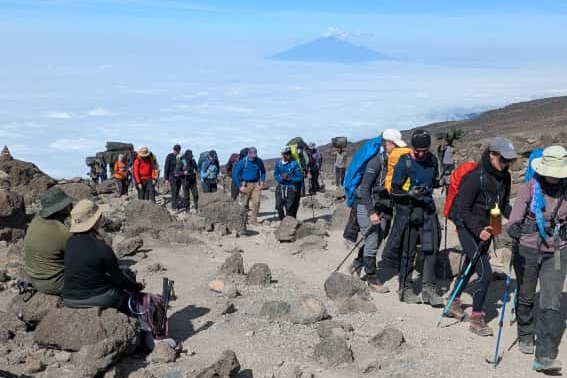
Machame Route
The Machame Route is the most popular Kilimanjaro trekking route, known for its scenic beauty and high success rate. It offers excellent acclimatization through a "climb high, sleep low" profile. Trekkers experience rainforest, moorland, alpine desert, and glacier summit zones.
View Itinerary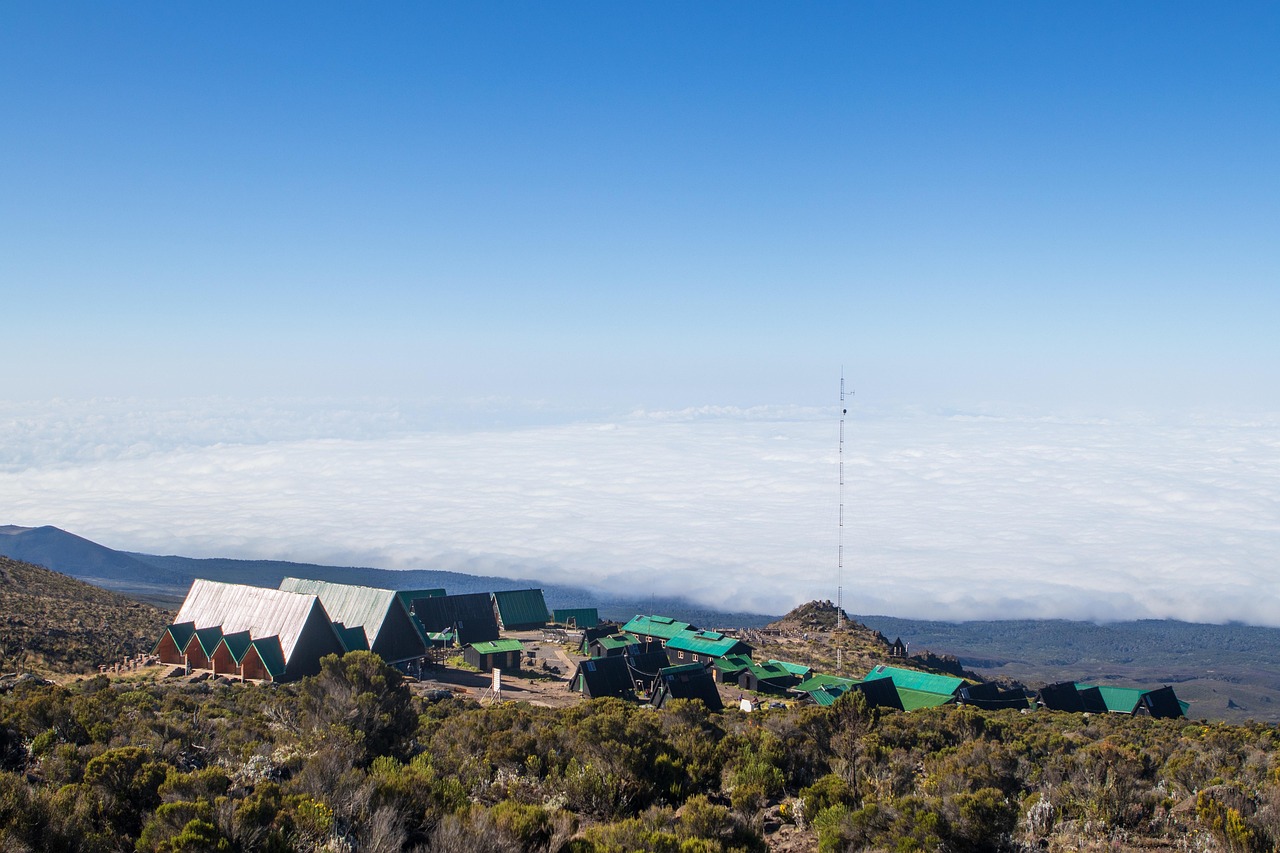
Marangu Route
Known as the "Coca-Cola Route," Marangu is the only Kilimanjaro route with hut accommodation. It is considered easier in terrain but has a lower success rate due to shorter acclimatization time.
View Itinerary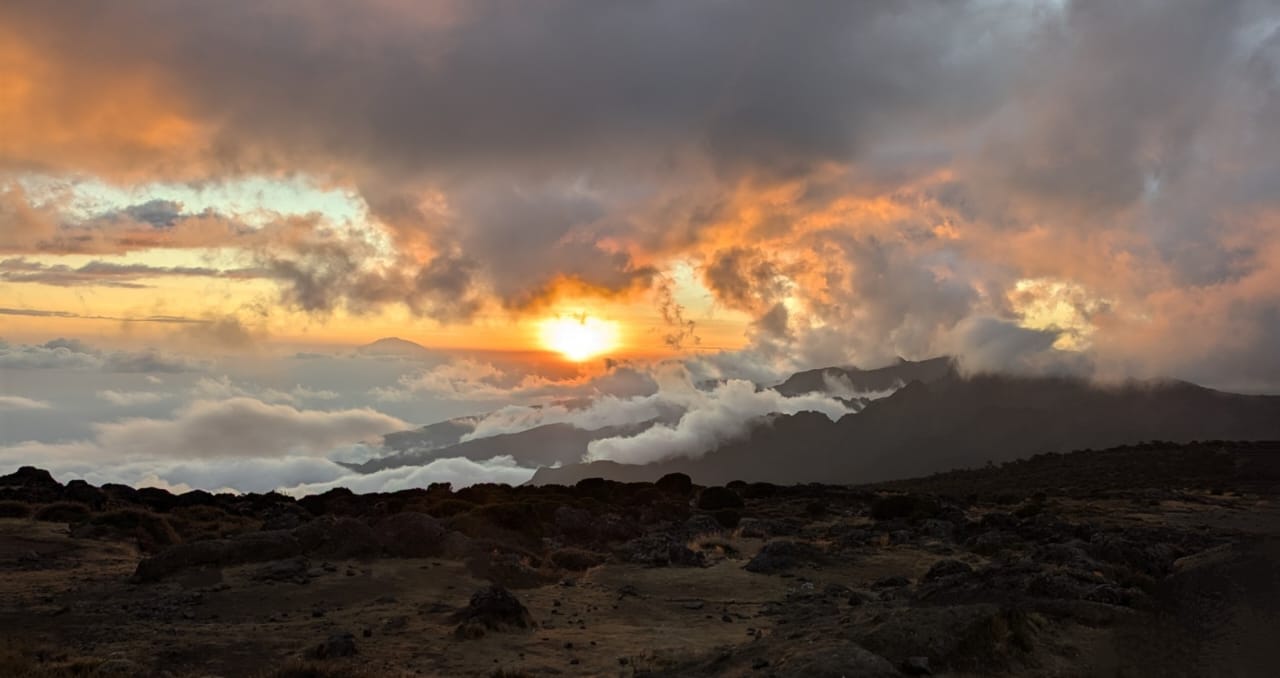
Lemosho Route
Lemosho Route is one of the most scenic and less crowded routes on Kilimanjaro. It provides excellent acclimatization and one of the highest summit success rates.
View Itinerary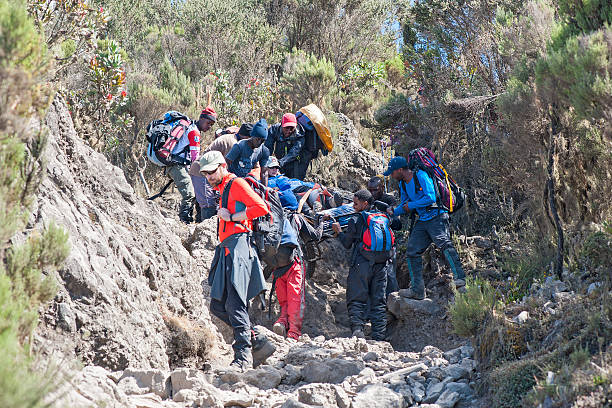
Rongai Route
The only route approaching from the north near Kenya border. It is quieter and offers a unique wilderness experience with gradual ascent.
View Itinerary
Northern Circuit
The longest route on Kilimanjaro with the highest success rate. It circles the mountain providing unmatched views and excellent acclimatization.
View ItineraryWhich route has the highest success rate?
The Northern Circuit and Lemosho routes have the highest success rates due to longer acclimatization.
Which is the easiest route?
Marangu is considered the easiest in terms of terrain, but not the most successful.
What is the best duration?
6 to 8 days is recommended for proper acclimatization and higher summit success.
Do I need experience?
No technical climbing skills are required, but good fitness and preparation are important.
When is the best time to climb?
January–March and June–October are the best seasons with clear weather.
Is altitude sickness common?
Yes, but proper acclimatization and hydration significantly reduce risks.
How much does it cost?
Prices vary from $1,500 to $4,000 depending on route, duration, and service level.