
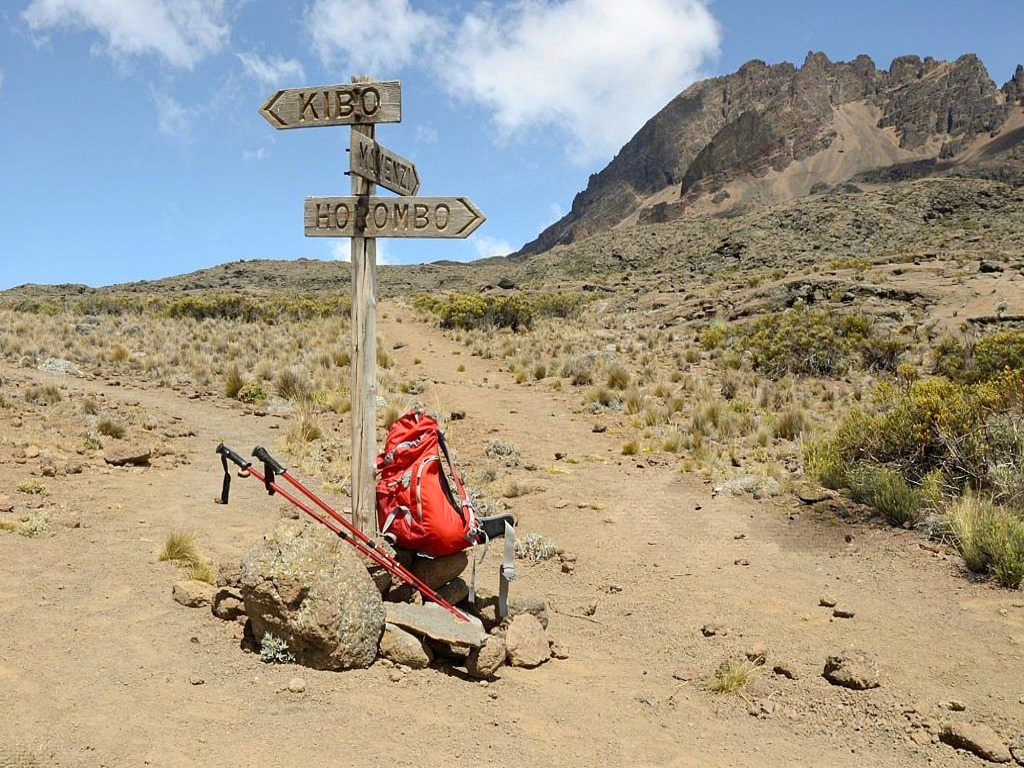
Mount Kilimanjaro can be climbed throughout the year. However, the experience changes considerably according to rainfall, cloud, temperature, wind, snow, trail conditions, route popularity, and the number of climbers using the mountain.
Tanzania generally experiences a long-rain period and a shorter-rain period. The long rains are commonly associated with March, April, and May, while shorter rains often occur around November. The exact start and end of each rainy period can vary from year to year.
Even during the drier months, rain may fall in the rainforest, cloud may reduce visibility, and snow or ice may occur near the summit. Conditions can also change rapidly as climbers move between ecological zones.
The best month therefore depends on personal priorities. Some climbers prefer warmer conditions, some want the driest trails, others want fewer people, and some choose dates close to a full moon.
Best Kilimanjaro Climbing Seasons at a Glance
Kilimanjaro Weather by Month
| Month | General Conditions | Rainfall | Trail Crowds | Overall Suitability |
|---|---|---|---|---|
| January | Often warm with generally favorable conditions | Low to moderate | Moderate to busy | Very good |
| February | Often warm with possible clear mountain views | Low to moderate | Moderate | Very good |
| March | Can begin favorably before rainfall increases | Increasing | Moderate to quiet | Variable |
| April | Commonly wet, cloudy and muddy | High | Low | Challenging |
| May | Wet conditions may continue before improving | Moderate to high | Low | Challenging to variable |
| June | Drier conditions return with cooler temperatures | Lower | Moderate | Very good |
| July | Dry, cool and popular | Lower | Busy | Very good |
| August | Dry, cool and frequently busy | Lower | Very busy | Very good |
| September | Often dry with favorable trekking conditions | Lower | Busy | Excellent |
| October | Generally favorable with possible increasing cloud | Low to increasing | Moderate | Good to very good |
| November | Variable short-rain conditions | Moderate to high | Low | Variable |
| December | Conditions may improve later in the month | Variable | Moderate to busy | Good when conditions settle |
Detailed Kilimanjaro Seasonal Guide
Warm and Generally Favorable Climbing Period
January and February are often regarded as excellent months for climbing Kilimanjaro. Conditions may be relatively warm on the lower slopes, and climbers may experience good views when clouds clear.
The mountain can still receive rain, especially in the rainforest, while the summit zone remains extremely cold. Snow may occur near the crater rim even when lower elevations feel warm.
Early March may remain favorable, but rainfall commonly becomes more frequent as the month progresses toward the long-rain season.
New Year departures and selected January dates may be busy. February may offer a useful balance between favorable conditions and moderate route traffic.
Best suited to: Climbers seeking relatively warm conditions, favorable visibility, and an alternative to the busier July–September period.Long-Rain Climbing Period
March, April, and May are associated with Tanzania’s long rains. Rainfall can create deep mud in the rainforest, slippery rocks, wet camps, cloud, and reduced visibility.
Equipment may be difficult to keep dry without proper waterproof bags, clothing, tent management, and disciplined packing.
Higher elevations may receive snow, sleet, strong wind, and freezing conditions. Summit night may become more demanding when snow accumulates on the upper mountain.
Advantages may include quieter trails, fewer climbers at camps, dramatic cloud formations, and greater solitude.
Climbers selecting this period should have realistic expectations and high-quality waterproof equipment.
Best suited to: Climbers comfortable with wet and muddy conditions who value quieter trails more than predictable visibility.Main Dry and Peak Climbing Season
June through October is one of the most popular periods for climbing Kilimanjaro. Rainfall is generally lower, trails may be drier, and visibility can be favorable.
June often begins quieter before international holiday demand increases. July and August can become very busy, particularly on Machame, Marangu, and Lemosho.
September is often selected for its combination of dry conditions and favorable visibility, although popular routes may remain busy.
October can still offer good conditions, but rainfall and cloud may begin increasing as the short-rain period approaches.
Nights may be cold throughout this season. Climbers must carry proper insulated layers even when daytime trekking is sunny.
Best suited to: Climbers prioritizing lower rainfall, established group departures, drier trails, and wider route availability.Short-Rain Climbing Period
November is commonly associated with the shorter rainy season. Rain may occur in showers rather than continuously, but the exact pattern varies.
Forest trails can become muddy and slippery, while cloud may hide views of Kibo, Mawenzi, the glaciers, and surrounding plains.
Some climbers choose November because routes and camps may be quieter than during July, August, or September.
Waterproof clothing, dry bags, gaiters, and careful equipment protection are particularly important.
Best suited to: Flexible climbers prepared for rain who prefer quieter mountain conditions.Transition Toward a Popular Holiday Period
December conditions can vary considerably. Rain from the short-rain period may continue during part of the month, while later December can become more favorable.
Christmas and New Year climbing dates are popular. Hotels, guides, airport transfers, equipment rentals, and selected routes may fill early.
Holiday demand may also affect flight availability and package pricing. Early booking is recommended for private groups and climbers targeting a New Year summit.
Best suited to: Travellers combining Kilimanjaro with Christmas, New Year, safari, or Zanzibar holidays.Best Months for Different Climbing Priorities
- Warm conditions: January and February
- Lower rainfall: June through September
- Clear-view opportunities: January, February, August, and September
- Quieter trails: March, May, June, November, and selected early-December dates
- Popular group departures: July through October
- Holiday climbs: Late December and early January
- Full-moon climbs: Dates selected according to the lunar calendar
- Safari combinations: June through October and January through February
Kilimanjaro Temperatures by Elevation
Kilimanjaro does not have one mountain-wide temperature. Conditions change with altitude, time of day, season, cloud, wind, rainfall, and exposure.
Lower Slopes and Gate Areas
Conditions may feel warm or humid during the day. Rain is possible, particularly around the forest.
Montane Rainforest
The forest can be humid, wet, muddy, and cool beneath dense vegetation and cloud.
Heath and Moorland
Days may be sunny while evenings and early mornings become cold.
Alpine Desert
Strong sunshine, wind, low humidity, cold nights, and rapid temperature changes are common.
High Camps
Barafu, Kibo, School Hut, and other high camps may experience freezing temperatures and strong wind.
Summit Zone
Temperatures may fall well below freezing, especially before sunrise and when wind is present.
Best Time by Kilimanjaro Route
| Route | Common Duration | Seasonal Consideration | Planning Advice |
|---|---|---|---|
| Marangu Route | 5–6 days | Hut accommodation provides solid shelter, but forest trails can still be wet and muddy. | Six days is generally preferable for additional acclimatization. |
| Machame Route | 6–7 days | Popular during dry seasons and may become busy at camps and the Barranco Wall. | Consider seven days and less-crowded departure dates. |
| Lemosho Route | 7–8 days | Scenic western approach with rainforest, Shira Plateau, and exposed high-altitude camps. | Eight days provides a gradual schedule in every season. |
| Rongai Route | 6–7 days | Northern approach may sometimes receive different rainfall patterns from southern routes. | Useful for climbers seeking a quieter approach. |
| Northern Circuit | 8–9 days | Long and remote itinerary with extended exposure to changing weather. | Select strong equipment and allow sufficient preparation. |
| Umbwe Route | 6–7 days | Steep lower approach may become especially slippery during wet periods. | Better suited to experienced and well-prepared trekkers. |
Full-Moon Kilimanjaro Climbs
Possible Advantages
- Natural moonlight during part of summit night
- Distinctive mountain atmosphere
- Possible crater-rim and glacier illumination
- Popular option for photography
- Memorable summit timing
Important Limitations
- Cloud may hide the moon completely
- A headlamp is still essential
- Popular dates may be crowded
- Moon timing may not match the summit schedule
- Weather matters more than the lunar phase
A full-moon climb should be planned by working backward from the desired summit date. The route duration determines the correct gate departure date.
Busy and Quiet Kilimanjaro Periods
July and August
International school holidays and generally favorable conditions can produce busy trails and camps.
September
Often remains popular because of dry conditions and strong visibility opportunities.
Christmas and New Year
Holiday departures can fill early, particularly for private groups and New Year summit plans.
Rainy Periods
March through May and November may provide quieter trails but more difficult weather.
Advantages of Climbing During the Dry Season
- Lower probability of prolonged rainfall
- Drier rainforest trails
- Reduced mud on lower routes
- More opportunities for mountain views
- Easier camp organization
- More scheduled group departures
- Wider guide and route availability when booked early
- More predictable safari combinations
Challenges of Peak-Season Climbing
- More climbers on popular routes
- Busier campsites and mountain huts
- Congestion at the Barranco Wall
- More people on summit trails
- Greater demand for hotels and airport transfers
- Limited availability on full-moon dates
- Possible holiday supplements
- Need for earlier booking
Advantages of Wet-Season Climbing
- Fewer climbers on many routes
- Quieter camps and trails
- Lush rainforest scenery
- Dramatic cloud and mountain landscapes
- Greater sense of solitude
- Potentially greater departure flexibility
Challenges of Wet-Season Climbing
- Muddy rainforest trails
- Slippery rocks and roots
- Wet tents and equipment
- Reduced visibility
- Cloud around Kibo and Mawenzi
- Possible snow and ice at higher elevations
- Greater need for waterproof packing
- Longer equipment-drying time
Seasonal Packing Essentials
Essential in Every Season
- Waterproof trekking boots
- Waterproof jacket and trousers
- Warm insulated summit jacket
- Thermal base layers
- Warm hat and sun hat
- Light and insulated gloves
- Cold-rated sleeping bag
- Headlamp with spare batteries
- UV-protection sunglasses
- Sunscreen and lip protection
- Waterproof pack liners
- Trekking poles
Additional Wet-Season Priorities
- Gaiters
- Multiple dry bags
- Extra trekking socks
- Additional glove liners
- Reliable pack rain cover
- Quick-drying base layers
- Waterproof duffel protection
- Spare clothing kept completely dry
- Microfiber towel
- Equipment repair materials
Altitude Matters More Than the Month
Selecting a favorable month does not remove altitude risk. Kilimanjaro rises to 5,895 meters, where the reduced oxygen level affects climbers regardless of rainfall or temperature.
Choose Enough Days
Longer itineraries usually provide more gradual altitude exposure and additional acclimatization opportunities.
Maintain a Slow Pace
Walk slowly from the first day rather than waiting until the higher camps.
Report Symptoms
Tell the guide about headache, nausea, dizziness, weakness, poor coordination, confusion, or unusual breathlessness.
Combining Kilimanjaro With a Tanzania Safari
January and February
Suitable for combining Kilimanjaro with northern Tanzania safari travel, depending on the selected parks and wildlife priorities.
June to October
Popular for combining a climb with dry-season wildlife viewing, but hotels and vehicles may be in high demand.
Rainy Periods
Landscapes may be green and visitor numbers lower, although rain can affect roads and outdoor plans.
Combining Kilimanjaro With Zanzibar
Zanzibar can be added after the climb for beach recovery. The coastal weather pattern is not identical to Kilimanjaro’s mountain weather, so both destinations should be evaluated separately.
- Allow at least one recovery night after descending.
- Consider flight schedules from Kilimanjaro or Arusha.
- Check Zanzibar rainfall and humidity for the travel month.
- Confirm airport transfers and hotel check-in times.
- Keep flexible arrangements where possible.
How to Choose Your Kilimanjaro Climbing Month
Weather Preference
Decide whether lower rainfall, warmer conditions, or quieter trails matter most.
Available Travel Dates
Consider work, school holidays, flight schedules, and recovery time.
Route Selection
Match the route to experience, acclimatization needs, scenery, crowds, and accommodation.
Group Preference
Determine whether a fixed group departure or private climb is more appropriate.
Budget
Flights, hotels, holiday dates, group size, and route length may influence total cost.
Full-Moon Interest
Check lunar dates only after choosing a safe route duration.
Safari Extension
Align the climb with the preferred wildlife areas and safari experience.
Equipment Quality
Choose a season compatible with the waterproof and cold-weather equipment available.
Frequently Asked Questions
What is the best month to climb Kilimanjaro?
January, February, July, August, and September are commonly selected. The best month depends on preferred temperatures, crowds, rainfall, and travel plans.
What are the best climbing seasons?
January to early March and June to October are generally the most favorable periods.
Can Kilimanjaro be climbed throughout the year?
Yes. Climbs operate throughout the year, but conditions may be wetter and more difficult during rainy periods.
When is the main rainy season?
The long rains are commonly associated with March through May, although timing varies.
When are the short rains?
Short rains commonly occur around November and may extend into surrounding weeks.
Is January a good month?
Yes. January often provides warm and generally favorable conditions, although rain and summit snow remain possible.
Is February a good month?
February is often considered one of the better months for warm conditions and mountain-view opportunities.
Can I climb in March?
Yes. Early March may be favorable, but rainfall commonly increases as the month progresses.
Can I climb in April?
Yes, but April is commonly wet. Expect mud, rain, cloud, reduced visibility, and potentially difficult trail conditions.
Can I climb in May?
Yes. Conditions may remain wet, particularly earlier in the month, although routes are often quieter.
Is June a good month?
June is often a good transition into the main dry season and may be quieter than July or August.
Is July a good month?
Yes. July is commonly dry and cool but may be busy because of international holiday travel.
Is August a good month?
August is generally favorable but is often one of the busiest climbing months.
Is September a good month?
September is widely selected for generally dry conditions and good visibility opportunities.
Can I climb in October?
Yes. October can be favorable, although cloud and rainfall may increase later in the month.
Can I climb in November?
Yes. November may be wet because of the short rains, but routes are commonly quieter.
Is December a good month?
December can be suitable, especially when short-rain conditions improve. Holiday departures should be booked early.
Which month has the clearest views?
Clear views may occur during drier periods, particularly January to February and June to October, but cloud can form at any time.
Which month has the fewest climbers?
Rainier periods such as April, May, and November often have fewer climbers, but weather is more challenging.
When is Kilimanjaro busiest?
July, August, September, Christmas, New Year, and popular full-moon dates can be busy.
How cold is the Kilimanjaro summit?
Summit temperatures may fall well below freezing, especially before sunrise and during strong wind.
Does the dry season guarantee dry weather?
No. Rain, cloud, snow, and strong wind can occur during any month.
Does rain reduce summit success?
Wet weather can make trekking and equipment management more difficult, but altitude response, route length, preparation, and guide decisions are also critical.
Is a full-moon climb better?
It can provide additional natural light and atmosphere, but cloud may hide the moon and popular dates may be crowded.
Do I still need a headlamp during a full moon?
Yes. A reliable headlamp and spare batteries remain essential.
Which route is best during rainy months?
Route suitability depends on the exact conditions. Marangu offers hut accommodation, while Rongai may be considered for its northern approach, but no route is rainproof.
Should I avoid peak season?
Not necessarily. Peak months often provide favorable weather, but climbers seeking solitude may prefer quieter dates or less popular routes.
When should I book?
Book early for July through September, Christmas, New Year, private groups, full-moon climbs, and popular safari combinations.
Can weather forecasts predict summit conditions?
Forecasts are useful but limited. Mountain conditions change rapidly and vary greatly by elevation.
What matters more than the climbing month?
Route length, acclimatization, fitness, equipment, health, pacing, hydration, nutrition, guide quality, and safety decisions remain essential.
Can I combine Kilimanjaro with a safari?
Yes. January and February and June through October are popular combination periods, depending on wildlife priorities.
Can I add Zanzibar after Kilimanjaro?
Yes. Zanzibar can be added after the climb, but its coastal weather should be considered separately.
Choose the Best Time for Your Kilimanjaro Climb
Plan your Kilimanjaro departure according to your preferred route, number of climbing days, weather expectations, crowd preference, full-moon interest, equipment, group size, safari plans, and Zanzibar extension.
Request a customized recommendation using your available travel dates, climbing experience, fitness level, preferred route, accommodation needs, budget, and additional Tanzania travel plans.
Plan Your Kilimanjaro Climb


.png)
.png)
.png)


.jpg)
.jpg)
.jpg)

