
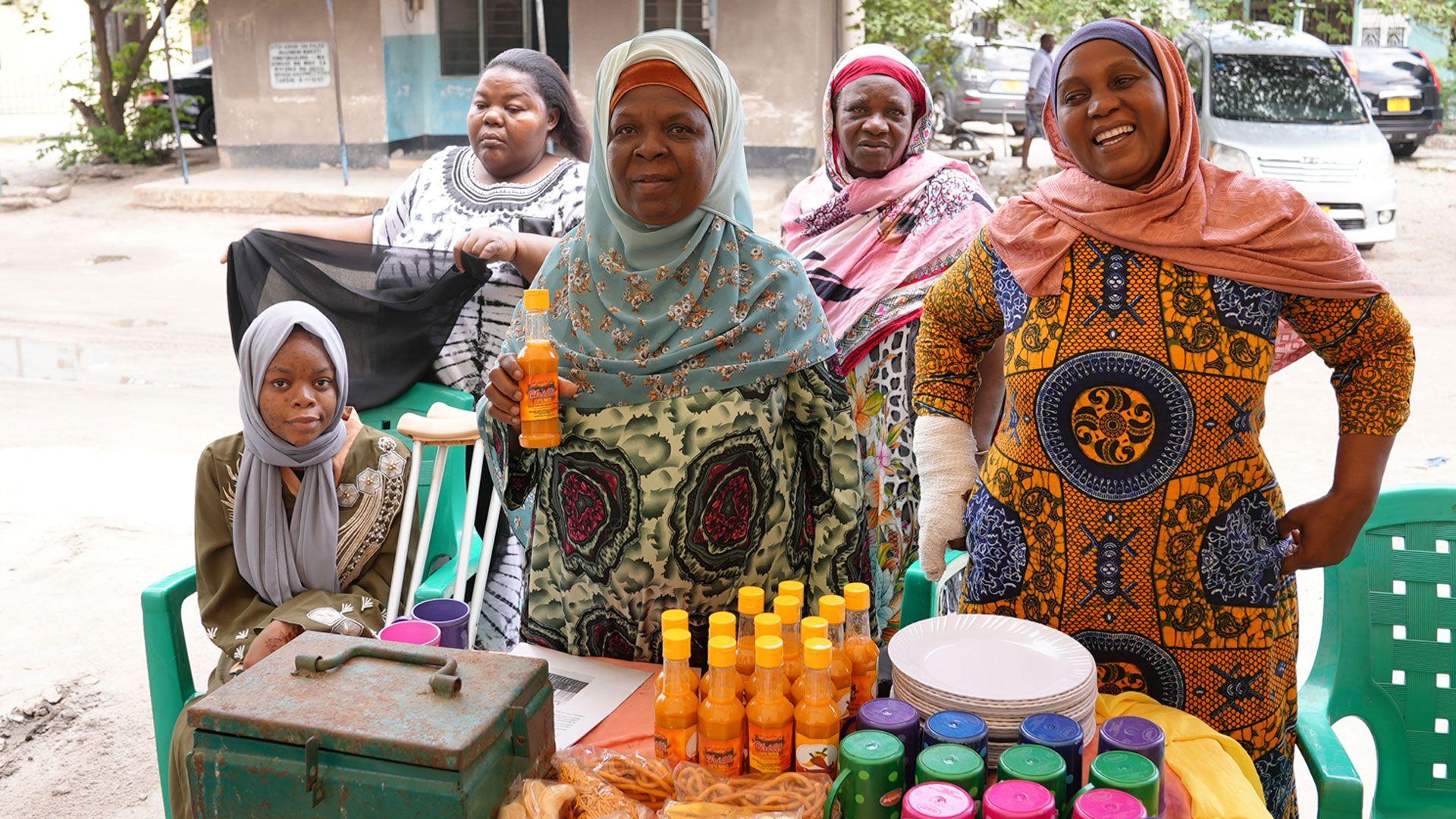
What Is Women Empowerment in Tanzania?
Women empowerment refers to expanding the opportunities, resources and decision-making power available to women and girls.
In Tanzania, empowerment includes helping women participate meaningfully in education, employment, entrepreneurship, agriculture, leadership and community development.
It also involves reducing barriers that can prevent women from accessing financial services, land, technology, professional opportunities and justice.
Key Areas of Women Empowerment in Tanzania
Education and vocational training can give women and girls skills that increase employment, entrepreneurship and long-term economic opportunities.
Access to jobs, markets, productive assets and financial services can help women build more stable and independent livelihoods.
Business training, market access, mentoring and appropriate financing can help women establish and expand small and medium enterprises.
Empowerment includes creating opportunities for women to participate in community institutions, public decision-making and leadership positions.
Women farmers benefit when they can access land, agricultural inputs, technology, markets, training and control over income.
Women and girls need access to legal protection, justice and services that prevent and respond to violence and discrimination.
Why Women Empowerment Matters in Tanzania
Women's economic and social participation can strengthen families, businesses, agriculture and local economies.
When women gain greater access to education, income and productive resources, they can make wider contributions to household wellbeing and community development.
Empowerment also improves women's ability to participate in decisions affecting livelihoods, public services and local development priorities.
Women's Economic Empowerment
Economic empowerment is one of the major priorities of gender equality programs in Tanzania.
Women can benefit from access to productive resources, business skills, formal and informal employment, financial services and stronger connections to markets.
Successful programs aim not only to increase income but also to strengthen women's ability to control economic resources and make financial decisions.
Women Entrepreneurship in Tanzania
Entrepreneurship provides an important source of income for many Tanzanian women.
Women operate businesses in areas such as agriculture, food processing, tailoring, retail, hospitality, handicrafts and professional services.
Programs supporting women entrepreneurs may provide business training, financial literacy, mentorship, access to markets and connections to appropriate sources of finance.
Women Empowerment Through Agriculture
Agriculture remains an important livelihood sector for many Tanzanian communities.
Women farmers can benefit from improved access to land, agricultural technologies, quality inputs, extension services, markets and financial resources.
Empowerment programs can also strengthen women's ability to participate in decisions about farm income and household spending.
Example of Women's Agricultural Empowerment
UN Women reports that its Realizing Gender Equality through Empowering Women and Adolescent Girls programme supported more than 4,000 women farmers in parts of Singida and Shinyanga.
According to the programme's reported results, participants improved productivity and incomes while gaining stronger access to agricultural land and greater control over income and expenditure.
Major Women Empowerment Priorities
| Area | Examples of Support | Potential Outcome |
|---|---|---|
| Education | School access, vocational skills, digital literacy and professional training | Stronger employment and livelihood opportunities |
| Entrepreneurship | Business training, mentoring and market access | More sustainable women-owned businesses |
| Finance | Financial literacy and appropriate financial services | Greater economic independence |
| Agriculture | Land, inputs, training, technology and markets | Higher productivity and income |
| Leadership | Leadership development and participation in institutions | Greater representation in decision-making |
| Legal Protection | Rights awareness and access to justice | Improved protection and accountability |
Education and Skills Development for Women and Girls
Education is one of the foundations of long-term empowerment.
Academic education, vocational training and digital skills can help women access wider employment and business opportunities.
Training programs may also include financial literacy, communication, leadership and technical skills connected to local industries.
Access to Finance for Women
Women entrepreneurs may face difficulties expanding businesses when they have limited capital or access to appropriate financial services.
Financial inclusion programs can support women through savings, financial literacy, business planning and links to regulated financial institutions.
The objective should be sustainable business growth rather than encouraging unsustainable debt.
Digital Empowerment and Technology
Digital skills are becoming increasingly important for business, employment and education.
Women entrepreneurs can use technology to promote businesses, communicate with customers, access information, manage finances and reach new markets.
Training women in digital literacy can therefore contribute directly to both economic participation and independence.
Women's Leadership in Tanzania
Leadership is another important part of empowerment. Women should have meaningful opportunities to participate in institutions and decisions affecting their communities.
UN Women's current Tanzania strategy includes strengthening women's leadership and participation in governance while supporting institutions to become more gender-responsive.
Ending Violence Against Women and Girls
Empowerment requires an environment in which women and girls can live safely and access appropriate support when their rights are violated.
Tanzania launched its second National Plan of Action on Violence Against Women and Children for 2024–2027.
Prevention programs can involve community awareness, stronger referral systems, access to justice and improved coordination among institutions supporting survivors.
What Can Women Empowerment Programs Include?
Entrepreneurship, record keeping, marketing and financial-management skills.
Vocational, technical and digital skills connected to realistic employment opportunities.
Farming knowledge, productive resources, technology and access to markets.
Programs that strengthen confidence, organizational skills and participation in decision-making.
Information about rights, public services and appropriate routes to justice.
Working with women-led groups, local authorities, civil society and businesses to create lasting change.
UN Women and Women Empowerment in Tanzania
UN Women's Tanzania programme for 2023–2027 works with national and local government institutions, women-led organizations, civil society, media, the private sector and international partners.
Its priorities include women's leadership, economic justice, prevention of violence against women and girls, access to justice and stronger gender-responsive institutions.
Gender data, gender-responsive budgeting and inclusion are also important parts of its current strategy.
Gender and Women Development Policy
Tanzania strengthened its policy framework through the Gender and Women Development Policy launched in 2024.
The policy provides national guidance for advancing gender equality and integrating women's empowerment priorities into wider development planning.
How to Support Women Empowerment in Tanzania
Education and practical training can provide women with tools that continue creating value long after a program ends.
Purchasing goods and services from credible women-owned businesses can strengthen local economic opportunities.
Effective programs work with local organizations, communities and institutions rather than depending entirely on short-term assistance.
Women Empowerment Tanzania – Frequently Asked Questions
What is women empowerment in Tanzania?
It refers to increasing women's access to education, income, employment, productive resources, leadership, legal protection and meaningful participation in economic and community decisions.
Why is women's economic empowerment important?
Economic empowerment can help women build sustainable livelihoods, participate in markets and gain greater control over financial decisions and productive resources.
How can women entrepreneurs be supported in Tanzania?
Useful support can include business skills, mentoring, financial literacy, market access, digital training and links to appropriate financial services.
How does agriculture support women's empowerment?
Better access to land, inputs, technology, training and markets can improve productivity and strengthen women's income and decision-making power.
What is Tanzania's Gender and Women Development Policy?
It is a national policy framework supporting gender equality and women's empowerment. The updated policy was launched in 2024.
What does UN Women do in Tanzania?
Its current Tanzania programme focuses on women's leadership, economic justice, prevention of violence, access to justice and stronger gender-responsive institutions.
How can technology empower women?
Digital skills can help women access information, employment, education, financial services and wider markets for their businesses.
Building a More Inclusive Future for Women in Tanzania
Women empowerment is most sustainable when women and girls have the skills, resources, rights and opportunities needed to shape their own economic and social futures.
Education, entrepreneurship, agriculture, financial inclusion, leadership, technology and legal protection are therefore closely connected parts of women's empowerment in Tanzania.
Partnerships between communities, women-led organizations, government institutions, businesses and development partners can help turn these opportunities into lasting improvements for women, families and communities.