
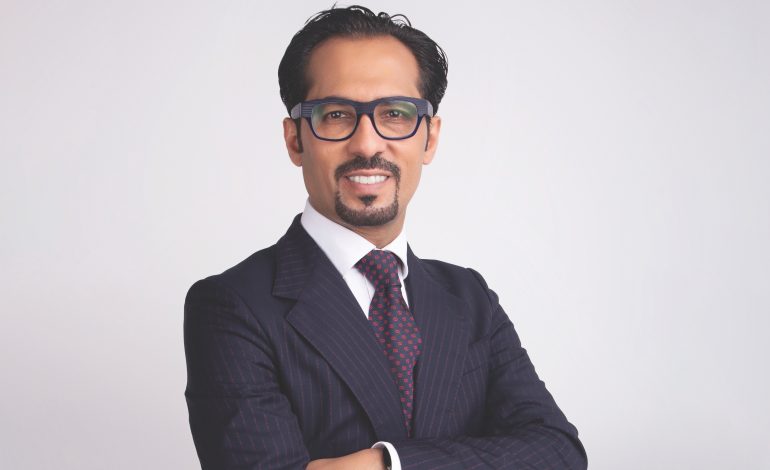
Who belongs in a discussion of the top 10 richest men in Tanzania? Mohammed Dewji is the clearest publicly documented billionaire example: Forbes estimated his personal fortune at US$2.1 billion on 3 October 2026. Other prominent businessmen have substantial enterprises or reported investments, but comparable current personal valuations are less readily established.
The ten profiles below are an editorial selection of businessmen and investors connected with Tanzania. Their sequence is not a verified wealth ranking. Published figures, historical holdings and company information are kept separate.
Ten Prominent Tanzanian Businessmen and Investors
Tanzania’s business landscape includes diversified manufacturers, food producers, energy traders, investment groups and public-market shareholders. Some operate private companies whose detailed ownership and liabilities are not disclosed in a way that permits a reliable national ranking.
| Name | Business Connection | Public Evidence | Personal Wealth Treatment |
|---|---|---|---|
| Mohammed Dewji | MeTL Group | Forbes wealth profile and business reporting. | US$2.1 billion estimate dated 3 October 2026. |
| Said Salim Bakhresa | Bakhresa Group | Official group history and business reporting. | No comparable current personal estimate assigned here. |
| Rostam Aziz | Diversified investment interests | Reporting on business activities and transactions. | Transaction amounts are not treated as total personal net worth. |
| Ally Edha Awadh | Lake Group | Official group information and founder reporting. | Company scale is distinguished from personal wealth. |
| Edha Nahdi | Amsons Group | Business reporting on the group and its expansion. | Company investments are not assigned directly to the individual. |
| Ghalib Said Mohamed | GSM Group | Employer association profile. | Business prominence does not establish an exact wealth figure. |
| Aunali Rajabali | Manufacturing and investment interests | Historical reporting on businesses and listed shareholdings. | Reported holdings are partial, dated financial evidence. |
| Sajjad Rajabali | Manufacturing and investment interests | Historical reporting on businesses and listed shareholdings. | His interests should be assessed separately from relatives’ holdings. |
| Ernest Massawe | Financial services and investments | Reporting on Tanzania Securities and historical shareholdings. | A disclosed investment is not a complete personal valuation. |
| Hans Macha | Listed equity investments | Historical reporting based on CRDB shareholder information. | Older shareholding values are not presented as current net worth. |
Business Profiles: Where Their Prominence Comes From
Mohammed Dewji: MeTL and Diversified Manufacturing
Mohammed Dewji leads MeTL, a Tanzanian conglomerate founded by his father in the 1970s. Forbes identifies activities including textiles, flour milling, beverages and edible oils, with operations extending into other African countries.
His Forbes profile showed an estimated US$2.1 billion fortune on 3 October 2026. This is a personal wealth estimate attributed to Forbes, rather than MeTL’s revenue or the amount of cash held by its owner.
Dewji provides the strongest quantified example in this guide. The estimate has a date and an identifiable publisher, allowing readers to distinguish it from figures circulating without a clear source.
Said Salim Bakhresa: Food Production and the Azam Business Name
Said Salim Bakhresa is associated with one of Tanzania’s best-known business groups. Bakhresa Group’s official history traces its beginnings to the Azam Restaurant in 1975 and describes its subsequent development into a broader enterprise.
His profile is important because food processing and related businesses occupy a substantial place in Tanzania’s economy. However, the size of a group’s operations does not disclose the founder’s complete personal assets or liabilities.
This article therefore discusses his documented business significance without assigning an unsupported current dollar fortune or an exact position below Dewji.
Rostam Aziz: Diversified Investments and Major Transactions
Rostam Aziz has featured extensively in reporting on Tanzanian business and investment. Coverage has discussed interests across telecommunications, energy and other sectors, as well as significant transactions.
A sale price is useful evidence about a particular deal, but it is not the seller’s total personal fortune. Ownership arrangements, purchase costs, financing, taxes and subsequent investments can affect how much value is ultimately retained.
His business prominence is well documented. A comparable current personal valuation requires more than adding together the headline amounts of transactions associated with his name.
Ally Edha Awadh: Lake Group and Energy Entrepreneurship
Lake Group identifies Ally Edha Awadh as the founder of Lake Oil in 2006. Reporting by The Citizen also documents the establishment of the business and his entrepreneurial background.
Energy distribution businesses can generate substantial sales because they trade large volumes of valuable products. Those sales must be distinguished from profit and from the founder’s own wealth.
His profile illustrates the importance of working capital, financing and company ownership when discussing entrepreneurs in high-turnover sectors. A large revenue figure alone cannot establish personal billionaire status.
Edha Nahdi: Amsons and Industrial Expansion
Business reporting identifies Edha Nahdi as managing director and co-founder of Amsons Group. The enterprise is associated with activities including energy, cement, logistics and manufacturing.
His profile reflects the expansion of Tanzanian business interests into regional industrial markets. Acquisitions and development projects can indicate ambition and business scale, but their announced values do not equal the personal wealth of one executive or shareholder.
A financial ranking would need to establish attributable ownership and liabilities across the relevant businesses. This guide does not infer a personal fortune from the group’s investment announcements.
Ghalib Said Mohamed: GSM Group and Regional Business
The Association of Tanzania Employers’ membership profile describes Ghalib Said Mohamed’s connection with GSM Group and a family business background. It also discusses business interests spanning Tanzania and other markets.
The profile offers evidence of business activity and regional reach. It does not publish a complete independent valuation of his personal holdings.
Family enterprises require particular care in wealth reporting. Assets may belong to several relatives, companies or ownership structures, and their total value should not automatically be attributed to one publicly visible businessman.
Aunali Rajabali: Manufacturing and Public-Market Investments
Aunali Rajabali has appeared in reporting on manufacturing businesses and stock-market investments. The Citizen’s 2023 investor review described his involvement with Plasco in Tanzania and Megapipes Solutions in Kenya, alongside a reported NMB shareholding.
Such reporting provides a dated view of identifiable interests. It should not be interpreted as a complete personal balance sheet or assumed to describe the same ownership percentages today.
His example shows why an investor can have several sources of business value beyond the one listed holding that attracts a newspaper headline.
Sajjad Rajabali: Separate Ownership Within a Business Family
Sajjad Rajabali also appears in historical reporting on Plasco, Megapipes Solutions and listed investments. The 2023 review by The Citizen discussed his business roles and reported NMB holding.
Although business reporting often discusses the Rajabali brothers together, a personal wealth comparison must identify each individual’s attributable interests. Joint investments cannot simply be counted in full for both people.
This guide therefore recognises his documented business activity while avoiding a current net worth figure inferred from older market values.
Ernest Massawe: Financial Services and Investment Experience
Reporting in September 2026 identifies Ernest Massawe as the founder behind Tanzania Securities Limited. Earlier investor reporting also discussed his historical shareholding in TOL Gases.
His profile connects professional expertise, financial services and investment ownership. These are different sources of commercial significance and should be examined individually.
A particular disclosed shareholding establishes only part of the picture. It does not reveal all private assets, debts or other business interests needed to estimate total personal wealth.
Hans Macha: An Example From Listed Shareholder Reporting
Hans Macha appeared in The Citizen’s 2023 review of major investors, which used CRDB’s 2022 shareholder information. His inclusion demonstrates how annual reports can make certain investment interests more visible than private-company ownership.
The reported value reflected the holdings and market prices used at that time. It should not be presented as a current fortune or proof that he occupies a particular place among Tanzania’s ten wealthiest men.
Listed investment evidence is useful precisely when its date and limited scope remain clear.
Which Sectors Feature in Tanzanian Wealth Discussions?
The profiles reveal several recurring sectors. Some serve everyday domestic demand, while others support regional trade or provide opportunities to build ownership across multiple companies.
| Sector | Potential Source of Business Value | Important Financial Distinction |
|---|---|---|
| Food processing | Production capacity, distribution and established consumer demand. | Sales must be assessed alongside costs and margins. |
| Manufacturing | Factories, products, brands and regional customers. | Industrial assets may be financed with substantial debt. |
| Energy distribution | Trading networks, storage and supply relationships. | High product turnover does not necessarily mean equally high profit. |
| Construction materials | Production facilities and demand for infrastructure and housing. | Project investment values are not personal wealth figures. |
| Logistics | Transport capacity and commercial distribution networks. | Equipment value needs to be considered with financing obligations. |
| Financial services | Operating businesses, advisory services and investment ownership. | A bank’s total assets do not belong to one shareholder. |
| Listed investments | Shares that may produce dividends or capital gains. | Prices and shareholdings can change after publication. |
Why Company Revenue Is Not Personal Net Worth
A company can generate very large annual sales while retaining a much smaller profit. It may also have lenders, minority shareholders and financial commitments. The owner’s personal position depends on their attributable interest and the liabilities relevant to that interest.
| Financial Measure | What It Describes | What It Does Not Establish |
|---|---|---|
| Company revenue | Sales over a stated period. | The owner’s profit or accumulated personal fortune. |
| Company profit | Earnings after the costs recognised in the accounts. | How much was distributed to one shareholder. |
| Total company assets | Resources held by the enterprise. | The value remaining after liabilities or the founder’s personal ownership share. |
| Market capitalisation | Market value of all issued shares at a given price. | The personal wealth of a shareholder with a partial stake. |
| Transaction value | The reported value of a purchase or sale. | The participant’s entire net worth. |
| Personal net worth | Estimated personal assets minus liabilities. | A guaranteed amount of immediately available cash. |
How Listed Shareholdings Can Be Valued
A simple starting point for valuing an identified listed investment is the number of shares multiplied by a share price from the same valuation date. That calculation describes the investment, rather than the investor’s entire fortune.
Illustrative calculation: A holding of 1,000,000 shares priced at TZS 2,000 per share has a quoted market value of TZS 2 billion. This example is hypothetical. It does not account for other assets, debt, selling costs or the possibility that a large sale would affect the price.
| Step | Question to Answer | Why It Matters |
|---|---|---|
| Identify ownership | Who owns the shares, and are they individual or joint holdings? | Prevents assigning another person’s interests to the investor. |
| Check the report date | Which annual report or filing provides the share count? | Ownership may have changed since publication. |
| Choose a valuation date | What market price applies on the stated date? | Share prices fluctuate. |
| Keep the currency clear | Is the figure in Tanzanian shillings or US dollars? | Currency conversion requires its own dated exchange rate. |
| Identify the figure’s scope | Does it cover one investment or all known assets? | A partial holding is not total personal wealth. |
| Consider liabilities | Is relevant borrowing or pledged ownership known? | Gross asset value can overstate net wealth. |
Why a Definitive Top Ten Is Difficult to Establish
Private businesses do not always publish the information needed for comparable individual valuations. Family ownership, unlisted subsidiaries and undisclosed borrowing can make the gap between business prominence and measurable personal wealth particularly large.
A credible national ranking would use consistent dates and methods across all candidates. It would also distinguish living individuals from historical business figures and avoid treating an old estimate as current merely by changing the article’s year.
For these reasons, the selection here explains ten relevant business profiles while identifying the one current personal estimate used. It does not claim that all ten people have been proven to outrank every other businessman in Tanzania.
Frequently Asked Questions
Who is the richest man in Tanzania according to Forbes?
Forbes identifies Mohammed Dewji as Tanzania’s billionaire and displayed an estimated fortune of US$2.1 billion on 3 October 2026.
Is this a verified ranking from first to tenth?
No. It is a selection of ten businessmen and investors with documented connections to substantial enterprises or investments. Comparable current personal valuations are not established for every person.
Why are most profiles shown without dollar amounts?
The available evidence does not support a consistent current personal estimate for each individual. Assigning precise amounts would imply financial certainty that the sources do not provide.
Can an entrepreneur be wealthy without appearing on a billionaire list?
Yes. A list may have a minimum threshold, limited information or a specific methodology. Absence from it does not establish that a person lacks substantial assets.
Are old DSE investment values still valid today?
They remain historical observations. Current values require an updated shareholding count and market price, and still represent only the identified investment.
Does a billion-dollar company make its founder a billionaire?
Not automatically. The founder’s ownership percentage, company liabilities and other personal assets or debts affect the result.
Sources and Further Reading
Research checked on 3 October 2026. Historical investment reporting is identified as historical. Company information is used to describe businesses, not to invent personal valuations.
- Forbes: Mohammed Dewji’s wealth profile
- Bakhresa Group: official group history
- Lake Group: official founder and group information
- The Citizen: Ally Awadh’s business background
- African Business: Tanzanian corporate leaders, August 2026
- Association of Tanzania Employers: GSM Group profile
- The Citizen: historical review of DSE investors, 2023
- The Citizen: Tanzania Securities and Ernest Massawe, September 2026