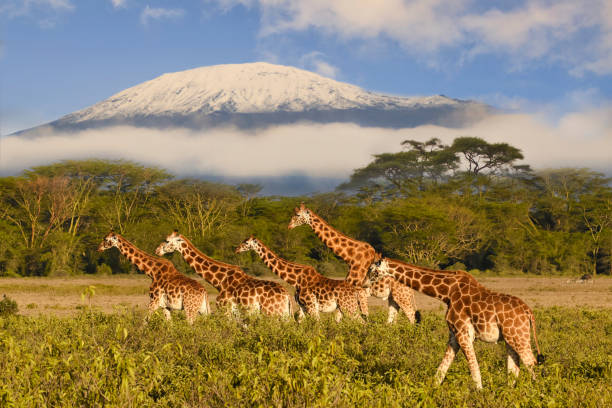
Serengeti safari conditions can change considerably during a single day. Early mornings may feel cold, afternoons can become warm, and evening temperatures may drop after sunset.
Roads inside wildlife areas may be dusty during dry months and muddy during rainy periods. Your clothing and equipment should therefore be comfortable, practical, easy to clean, and suitable for changing temperatures.
Your final packing list should reflect your travel month, safari duration, accommodation type, transportation method, domestic flight restrictions, planned activities, and personal health requirements.
Essential Serengeti Safari Packing List
Travel Documents
Carry your passport, visa information, flight details, accommodation confirmations, insurance documents, and safari operator contacts.
Safari Clothing
Pack lightweight shirts, trousers, shorts, warm layers, comfortable underwear, socks, and practical neutral-colored clothing.
Comfortable Footwear
Closed walking shoes, lightweight trainers, sandals, and suitable socks are normally sufficient for a vehicle-based safari.
Sun Protection
Bring sunscreen, sunglasses, a wide-brimmed hat, lip balm, and lightweight long sleeves for protection from the sun.
Camera Equipment
Pack your camera, lenses, batteries, memory cards, charging cables, cleaning materials, and protective storage.
Health Essentials
Carry personal medication, insect repellent, basic first-aid supplies, hand sanitizer, and any prescribed medical items.
Serengeti Safari Essentials
- Valid passport and required visa documents
- Travel and medical insurance details
- Lightweight neutral-colored clothing
- Warm fleece, sweater, or jacket
- Comfortable closed shoes
- Sun hat, sunglasses, and sunscreen
- Insect repellent
- Camera, batteries, and memory cards
- Binoculars
- Personal medication
- Reusable water bottle
- Soft-sided luggage
What Clothes Should You Pack?
Safari clothing should be comfortable, breathable, practical, and easy to layer. Neutral colors such as beige, brown, olive, khaki, grey, and muted green are commonly selected because they blend naturally with the environment.
Bright colors may attract unnecessary attention and show dust easily. Dark blue and black clothing can become hot in direct sunlight and may be less comfortable during warm afternoons.
Recommended Clothing
- Three to five lightweight shirts
- Two long-sleeved shirts
- Two or three safari trousers
- One or two pairs of shorts
- Warm fleece or sweater
- Lightweight windproof jacket
- Comfortable underwear
- Several pairs of socks
- Sleepwear
- Swimsuit where appropriate
Clothing to Avoid
- Very bright neon clothing
- Heavy formal clothing
- Excessive white clothing
- Bulky winter coats
- Uncomfortable tight trousers
- Delicate fabrics
- Expensive jewelry
- Clothes requiring ironing
- Excessive camouflage clothing
- Too many duplicate outfits
What Shoes Are Best for Serengeti?
Most Serengeti safaris are conducted inside a four-wheel-drive vehicle, so heavy hiking boots are usually unnecessary unless your itinerary includes walking safaris or trekking activities.
Comfortable closed shoes or lightweight trainers are suitable for game drives, lodge grounds, picnic areas, and short walks. Sandals or flip-flops may be useful inside lodges or camps.
Closed Safari Shoes
Comfortable trainers or lightweight walking shoes protect your feet from dust, stones, insects, and uneven ground.
Sandals
Lightweight sandals are useful around lodges, camps, swimming pools, and during relaxed evenings.
Walking Boots
Pack proper boots when the itinerary includes extended walking, hiking, mountain activities, or rough terrain.
Safari Clothing by Season
| Travel Period | Typical Conditions | Recommended Clothing |
|---|---|---|
| June to August | Dry conditions with cold early mornings and evenings. | Warm fleece, jacket, scarf, long trousers, closed shoes, and lightweight daytime clothing. |
| September to October | Dry, dusty, and increasingly warm conditions. | Lightweight clothing, sun protection, dust protection, and one warm layer. |
| November to December | Short rains, warm temperatures, and greener scenery. | Quick-drying clothing, light rain jacket, closed shoes, and warm evening layer. |
| January to March | Warm weather, green plains, and occasional rain. | Breathable clothing, rain protection, sun hat, sunscreen, and lightweight layers. |
| April to May | Longer rains, muddy roads, and cooler cloudy periods. | Waterproof jacket, quick-drying trousers, water-resistant shoes, and protective bags. |
Camera and Photography Equipment
Serengeti provides excellent opportunities for wildlife, landscape, bird, sunrise, and sunset photography. Bring equipment that you can manage comfortably inside a safari vehicle.
Photography Checklist
- Camera body
- Telephoto lens
- Wide-angle lens
- Spare batteries
- Multiple memory cards
- Battery charger
- Lens-cleaning cloth
- Dust blower
- Camera bag
- Protective rain cover
Electronic Accessories
- Mobile phone
- Power bank
- Charging cables
- Travel adapter
- Tablet or small laptop
- Headphones
- Portable storage device
- Extension adapter
- Protective cases
- Offline travel documents
Do You Need Binoculars?
Binoculars are highly recommended because many animals and birds may be observed at a distance. They are especially helpful for leopards in trees, cheetahs on open plains, distant migration herds, birds, and animals around rivers.
Some safari vehicles provide shared binoculars, but carrying your own pair allows you to observe wildlife whenever you choose.
Travel Documents Checklist
Required Documents
- Valid passport
- Tanzania visa or approval documents
- International flight tickets
- Domestic flight confirmations
- Safari booking confirmation
- Accommodation details
- Travel insurance certificate
- Emergency contact details
- Required health documents
- Copies of important documents
Financial Items
- Credit or debit card
- Small amount of local currency
- Clean United States dollar notes where accepted
- Secure travel wallet
- Emergency money
- Bank contact details
- Safari payment receipts
- Gratuity budget
- Personal expense budget
- Backup payment method
Health and Personal Medication
Carry sufficient personal medication for the complete journey, including additional supplies in case of delays. Keep essential medication in your hand luggage rather than checked baggage.
Travelers should obtain personalized medical advice from a qualified healthcare professional before departure, particularly regarding vaccinations, malaria prevention, allergies, chronic conditions, and prescription medication.
Personal Health Checklist
- Prescription medication
- Copy of prescriptions
- Basic pain relief
- Plasters and bandages
- Antiseptic wipes
- Insect repellent
- Hand sanitizer
- Oral rehydration supplies
- Allergy medication
- Motion-sickness medication where required
- Personal first-aid items
- Medical insurance information
Toiletries and Personal Care
Daily Toiletries
- Toothbrush and toothpaste
- Deodorant
- Comb or hairbrush
- Shampoo and conditioner
- Body wash or soap
- Moisturizer
Sun and Insect Protection
- High-factor sunscreen
- Lip balm with sun protection
- Insect repellent
- After-sun lotion
- Wide-brimmed hat
- Sunglasses
Useful Personal Items
- Wet wipes
- Tissues
- Small travel towel
- Reusable toiletry containers
- Feminine hygiene products
- Small laundry bag
Best Luggage for a Serengeti Safari
Soft-sided luggage is generally more practical than large hard suitcases. Duffel bags are easier to place inside safari vehicles and small aircraft luggage compartments.
Domestic and bush flights may apply strict luggage weight and size restrictions. Confirm the current allowance directly from your airline or safari operator before departure.
Soft-Sided Duffel
A flexible duffel is easy to store inside vehicles and aircraft luggage compartments.
Small Daypack
Use a daypack for documents, water, camera equipment, medication, sunscreen, and personal valuables.
Packing Cubes
Packing cubes help organize clothing, toiletries, electronics, laundry, and small accessories.
What to Pack in Your Safari Day Bag
Daily Game-Drive Bag
- Camera and spare battery
- Binoculars
- Mobile phone
- Power bank
- Sunglasses
- Sun hat
- Sunscreen
- Insect repellent
- Warm layer
- Light rain jacket
- Personal medication
- Reusable water bottle
- Tissues or wet wipes
- Passport copy
Packing for a Balloon Safari
A Serengeti balloon safari normally begins early in the morning when temperatures can be cold. Wear long trousers, closed shoes, and a warm jacket or fleece.
Avoid loose scarves, wide flowing clothing, or large bags that could interfere with boarding or landing procedures. Follow all instructions provided by the balloon operator.
Packing for Children
Children’s Clothing
- Comfortable layered outfits
- Warm jacket
- Sun hat
- Closed shoes
- Extra socks
- Quick-drying clothes
- Sleepwear
- Swimsuit where appropriate
Children’s Safari Items
- Child-safe sunscreen
- Child-safe insect repellent
- Personal medication
- Reusable water bottle
- Small binoculars
- Notebook or activity book
- Headphones
- Favorite travel comfort item
Items You May Leave at Home
Excessive Clothing
Many lodges provide laundry services, so carrying a new outfit for every day may be unnecessary.
Heavy Formal Wear
Safari lodges are generally relaxed. Smart casual clothing is sufficient for most dinners.
Large Hard Suitcases
Large rigid cases may be difficult to fit inside vehicles and small aircraft.
Expensive Jewelry
Valuable jewelry is unnecessary and may be difficult to store securely during travel.
Bulky Equipment
Avoid equipment that cannot be safely stored or comfortably managed inside the safari vehicle.
Single-Use Plastics
Use reusable containers and follow applicable baggage and environmental rules for Tanzania.
Complete Printable Packing Checklist
Clothing and Footwear
- Lightweight shirts
- Long-sleeved shirts
- Safari trousers
- Shorts
- Warm fleece
- Light jacket
- Rain jacket
- Underwear
- Socks
- Closed shoes
- Sandals
- Sun hat
- Swimsuit
- Sleepwear
Documents and Money
- Passport
- Visa documents
- Flight tickets
- Safari confirmation
- Insurance certificate
- Emergency contacts
- Bank cards
- Cash
- Document copies
- Health documents
- Accommodation details
- Safari operator contacts
Camera and Electronics
- Camera
- Lenses
- Memory cards
- Spare batteries
- Chargers
- Power bank
- Travel adapter
- Mobile phone
- Binoculars
- Cleaning cloth
- Dust blower
- Protective covers
Health and Toiletries
- Personal medication
- Basic first-aid supplies
- Sunscreen
- Insect repellent
- Hand sanitizer
- Wet wipes
- Toothbrush
- Toothpaste
- Deodorant
- Moisturizer
- Lip balm
- Personal hygiene products
Frequently Asked Questions
What should I wear on a Serengeti safari?
Wear lightweight neutral-colored clothing, comfortable closed shoes, a sun hat, and layers that can be added or removed as temperatures change.
What colors are best for safari?
Beige, khaki, olive, brown, grey, and muted green are practical because they blend with the environment and show less dust.
Do I need hiking boots?
Heavy hiking boots are usually unnecessary for vehicle-based safaris. Comfortable closed shoes are sufficient unless your itinerary includes extended walking or trekking.
Do I need warm clothing?
Yes. Early mornings, evenings, Ngorongoro highlands, and dry-season game drives can feel cold.
Can I wear shorts?
Yes. Shorts may be comfortable during warm afternoons, though long trousers provide better protection from sun, dust, and insects.
Can I wear camouflage clothing?
Full military-style camouflage is best avoided. Plain neutral safari clothing is more appropriate and practical.
Should I bring binoculars?
Yes. Binoculars improve viewing of distant wildlife, birds, migration herds, predators, and animals near rivers.
What camera lens is best?
A telephoto zoom lens is useful for wildlife, while a wide-angle lens is suitable for landscapes, camps, and group photographs.
Can I use a hard suitcase?
It may be possible on road safaris, but soft-sided luggage is usually easier to store and may be required on small aircraft.
Is laundry available?
Many lodges and camps provide laundry services, although availability, cost, turnaround time, and restrictions vary.
Do I need a travel adapter?
Carry a suitable travel adapter for your devices and confirm the charging facilities available at your selected lodges and camps.
Should medication go in checked luggage?
Essential medication should remain in your hand luggage, together with prescriptions and medical documentation where required.
What should I pack during the rainy season?
Bring a lightweight waterproof jacket, quick-drying clothing, water-resistant shoes, and protective covers for cameras and electronics.
What should I pack during the dry season?
Pack warm morning layers, lightweight daytime clothing, sunscreen, a sun hat, sunglasses, and dust protection for electronics.
Prepare for Your Serengeti Safari
Pack practical layers, protect your travel documents and electronics, carry essential medication, and choose luggage suitable for safari vehicles and domestic flights.
For personalized packing advice, provide your travel month, safari duration, accommodation category, planned activities, domestic flights, and any special family requirements.
Plan Your Serengeti Safari
.png)
.png)