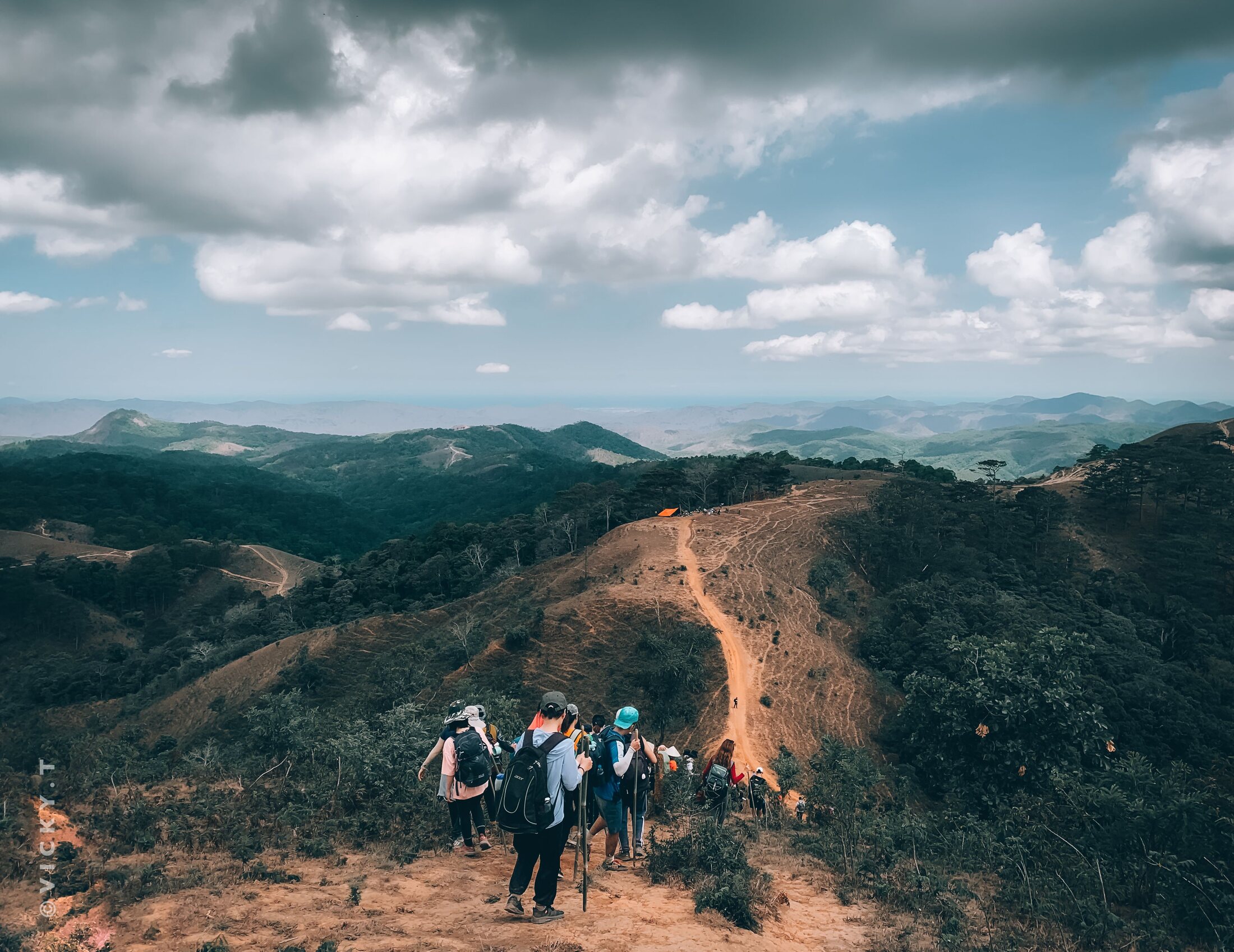
The 7 Days Lemosho Route Kilimanjaro climb is a scenic camping itinerary that combines varied landscapes with a route structure designed around progressive altitude gain. The climb begins on the western side of Kilimanjaro, where the trail enters rainforest before emerging onto the broad Shira Plateau.
From the Shira area, the route continues toward Lava Tower at approximately 4,600 meters before descending to Barranco Camp. This higher daytime elevation followed by a lower sleeping altitude forms an important part of the route's acclimatization pattern.
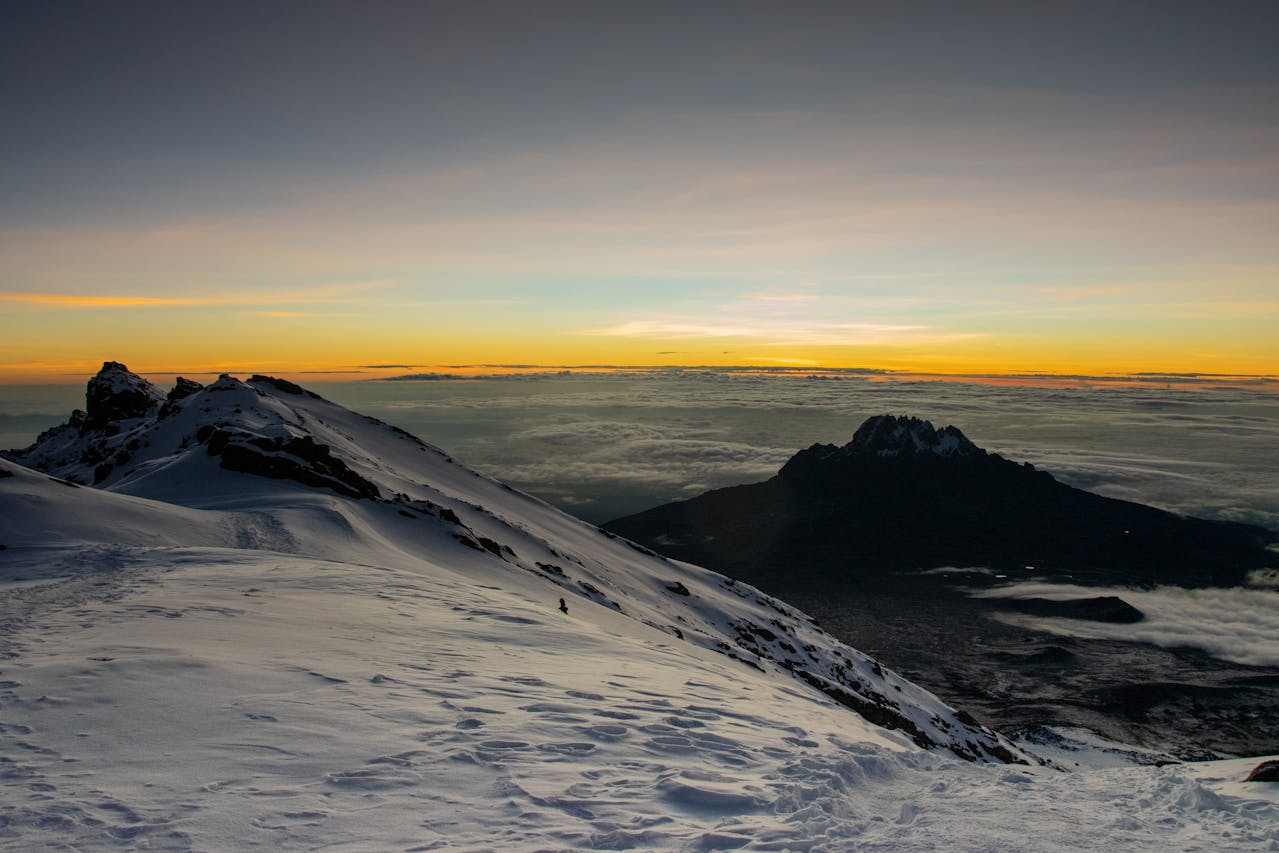
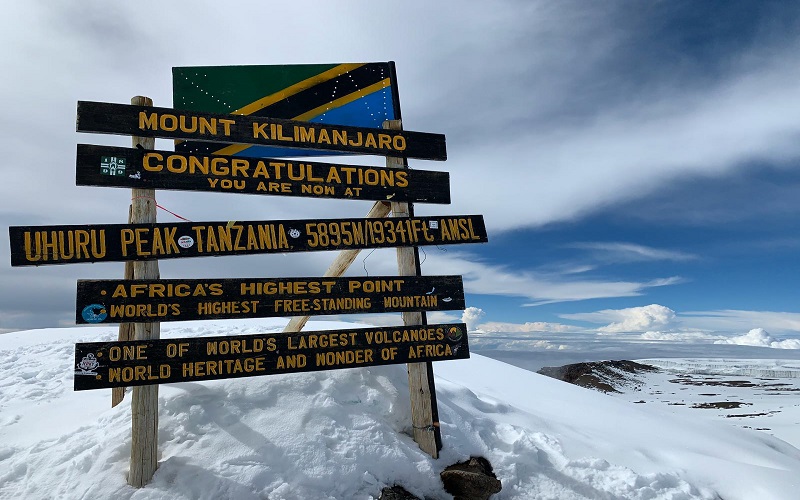
Trekkers then climb the Barranco Wall and continue toward Karanga before reaching Barafu Camp, the base for the summit attempt. Summit night begins late at night or around midnight and continues toward Stella Point and Uhuru Peak at 5,895 meters when conditions and trekker health allow.
After the summit attempt, the route descends through Mweka Camp and finishes at Mweka Gate. The seven-day schedule is more compressed than an eight-day Lemosho itinerary, so careful pacing, hydration and altitude monitoring remain essential throughout the climb.
7 Days Lemosho Route Kilimanjaro Route
7 Days Lemosho Route at a Glance
| Day | Route | Approx. Elevation | Main Experience | Overnight |
|---|---|---|---|---|
| Day 1 | Lemosho Gate → Mti Mkubwa Camp | ~2,100 m → ~2,650 m | Western rainforest trekking | Mti Mkubwa Camp |
| Day 2 | Mti Mkubwa → Shira Area | ~2,650 m → ~3,500–3,850 m | Moorland and Shira Plateau | Shira Camp |
| Day 3 | Shira → Lava Tower → Barranco | ~3,500–3,850 m → ~4,600 m → ~3,900 m | High acclimatization point and descent | Barranco Camp |
| Day 4 | Barranco → Karanga | ~3,900 m → ~3,995 m | Barranco Wall and Karanga Valley | Karanga Camp |
| Day 5 | Karanga → Barafu | ~3,995 m → ~4,670 m | High alpine approach to summit base | Barafu Camp |
| Day 6 | Barafu → Uhuru Peak → Mweka | ~4,670 m → 5,895 m → ~3,100 m | Summit attempt and long descent | Mweka Camp |
| Day 7 | Mweka Camp → Mweka Gate | ~3,100 m → ~1,640 m | Final rainforest descent | Trek Ends |
7 Days Lemosho Route Highlights
Western Kilimanjaro Approach
Begin on the quieter western side of Kilimanjaro before crossing toward the broad Shira Plateau.
Shira Plateau Scenery
Trek through open high-altitude landscapes with changing vegetation and expansive mountain views.
Lava Tower Acclimatization
Reach approximately 4,600 meters near Lava Tower before descending to sleep lower at Barranco Camp.
Barranco Wall
Climb the famous Barranco Wall before continuing toward Karanga Valley and Karanga Camp.
Uhuru Peak – 5,895 m
Attempt to reach the highest point on Mount Kilimanjaro and the highest point in Africa.
Professional Mountain Crew
Trek with guides, porters and cooks supporting the climb from the western approach to Mweka Gate.
Detailed 7 Days Lemosho Route Kilimanjaro Itinerary
Lemosho Gate to Mti Mkubwa Camp
After breakfast at your hotel in Moshi or another agreed pickup location, meet your mountain crew and travel toward the western side of Mount Kilimanjaro.
At the gate, your guide completes registration and park entry procedures while porters organize group equipment, food and permitted personal duffel loads.
Begin trekking through Kilimanjaro's western montane rainforest. The trail is green, humid and shaded, and rain is possible even during generally drier climbing periods.
The first day introduces the rhythm of the climb. Your guide encourages a slow and steady pace so your body can begin adapting gradually to increasing elevation.
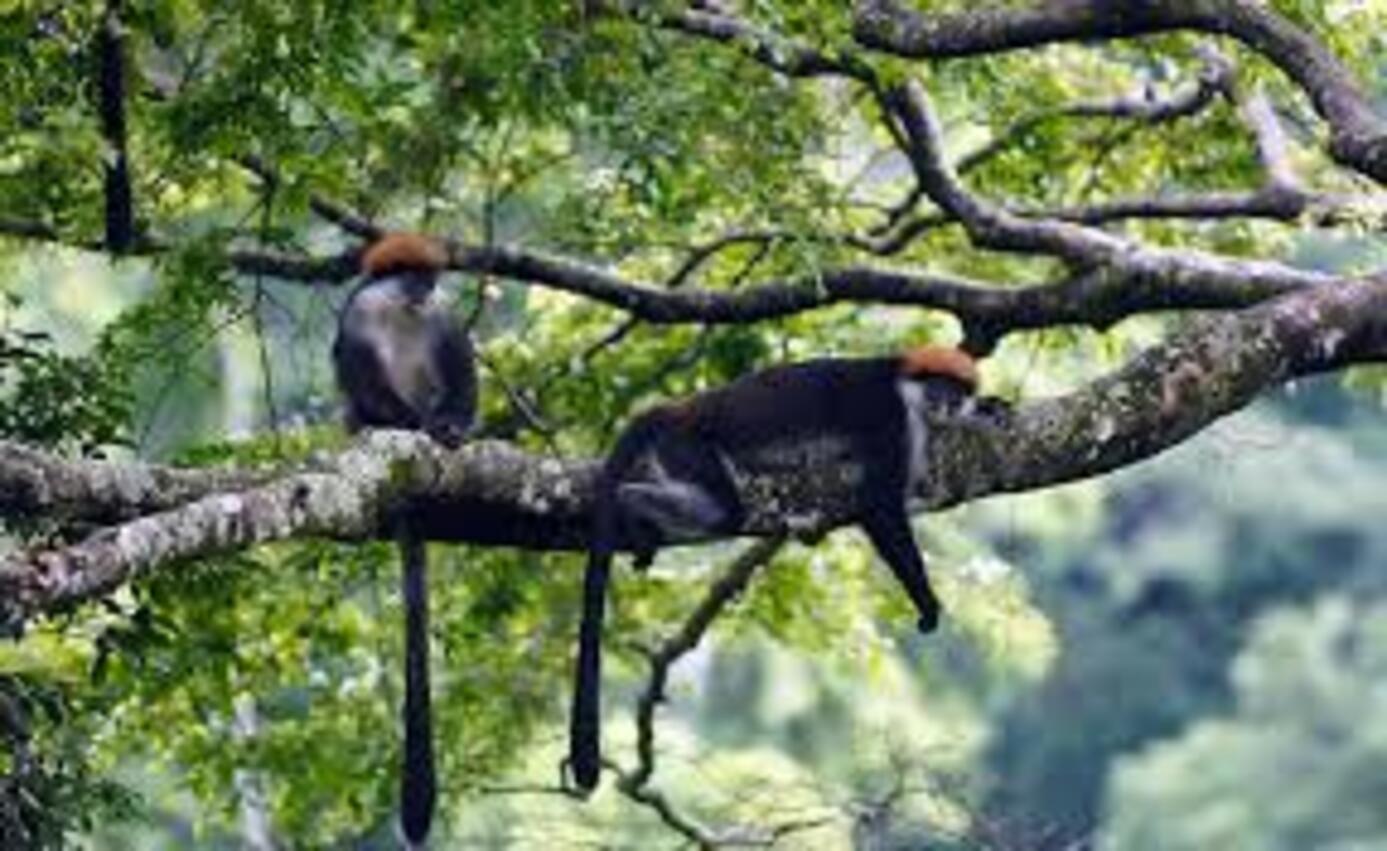
Continue through the forest toward Mti Mkubwa Camp at approximately 2,650 meters. Wildlife sightings are possible in the forest, although they vary naturally and cannot be guaranteed.
Arrive at camp, change into warm clothing and enjoy dinner prepared by the mountain cook.
Lemosho Gate (~2,100 m) → Mti Mkubwa Camp (~2,650 m)Mti Mkubwa Camp to Shira Plateau
After breakfast, leave Mti Mkubwa and continue upward. The rainforest gradually becomes thinner and the trail enters the heath and moorland zone.
As vegetation changes, wider mountain views become possible when the weather is clear. The landscape opens dramatically compared with the enclosed forest of the first day.
Continue climbing toward the Shira Plateau. Depending on the exact seven-day itinerary used, the day may end at one of the established Shira camps selected by your guide and operator.
The Shira area sits at a significantly higher elevation than Mti Mkubwa, so controlled pacing, regular hydration and adequate food intake remain important.
Arrive at camp, rest and enjoy dinner while monitoring how your body is responding to the altitude.
Mti Mkubwa (~2,650 m) → Shira Plateau / Shira Camp (~3,500–3,850 m)Shira Camp to Lava Tower – Descend to Barranco Camp
Day three is one of the most important acclimatization stages of the Lemosho Route. After breakfast, begin trekking through increasingly dry volcanic terrain toward Lava Tower.
The trail climbs to approximately 4,600 meters, exposing the body to a significantly higher altitude than the camp where you will sleep.
Depending on the day's schedule and group condition, lunch may be taken near Lava Tower or at another suitable location.
After reaching the high point, begin descending toward Barranco Valley. The drop in sleeping elevation forms the classic "climb high, sleep lower" pattern.
Arrive at Barranco Camp at approximately 3,900 meters. The surrounding cliffs and valley create one of the route's most dramatic camping locations.
Rest, hydrate and prepare for the Barranco Wall the following morning.
Shira Camp → Lava Tower (~4,600 m) → Barranco Camp (~3,900 m)Barranco Camp to Karanga Camp via Barranco Wall
After breakfast, begin with the Barranco Wall. Although it appears steep from camp, the standard route follows established switchbacks and rock steps.
Hands may occasionally be used for balance, but the section is normally completed as part of the standard trekking route without technical climbing equipment.
From the top of the wall, continue through rolling high-altitude terrain toward Karanga Valley.
The trail includes both descents and climbs, making the day physically varied even though the final sleeping elevation is only slightly higher than Barranco.
Arrive at Karanga Camp at approximately 3,995 meters for lunch, rest, dinner and overnight.
This separate Karanga overnight provides useful recovery time before the approach to Barafu.
Barranco Camp (~3,900 m) → Barranco Wall → Karanga Camp (~3,995 m)Karanga Camp to Barafu Camp
After breakfast, leave Karanga and continue toward Barafu Camp. Vegetation becomes increasingly sparse as you move deeper into the high alpine environment.
The route is shorter than the previous day's combination of Barranco Wall and Karanga Valley, allowing more time to reach camp and prepare for summit night.
Arrive at Barafu Camp at approximately 4,670 meters. Eat, hydrate and organize summit equipment carefully.
Prepare your warm layers, gloves, headlamp, water and snacks before the final guide briefing.
Rest for several hours before waking late at night for the summit attempt.
Karanga Camp (~3,995 m) → Barafu Camp (~4,670 m)Barafu Camp to Uhuru Peak – Descend to Mweka Camp
Wake late at night and prepare for the summit attempt. After a light meal or hot drink, begin climbing slowly from Barafu Camp.
The ascent is cold, steep and demanding. Headlamps illuminate the trail while the group follows a slow zigzag route over volcanic terrain.
Continue toward Stella Point on the crater rim at approximately 5,756 meters. Reaching Stella Point is a major milestone, after which the route continues toward Uhuru Peak.
If conditions and trekker health allow, continue to Uhuru Peak at 5,895 meters, the highest point on Mount Kilimanjaro and the highest point in Africa.
Time at the summit is normally limited due to the cold and extreme altitude. Take photographs, follow your guide's instructions and begin descending when directed.
Return toward Barafu Camp for a short rest and food before continuing down to Mweka Camp.
Arrive at Mweka Camp at approximately 3,100 meters for dinner and the final night on the mountain.
Barafu Camp (~4,670 m) → Uhuru Peak (5,895 m) → Mweka Camp (~3,100 m)Mweka Camp to Mweka Gate – Transfer to Moshi
After breakfast, begin the final descent from Mweka Camp toward the lower rainforest.
The environment becomes greener and more humid as elevation decreases. Depending on recent weather, sections of the trail may be wet or muddy.
Continue carefully toward Mweka Gate, using trekking poles where helpful.
At the gate, complete park exit procedures and meet the transfer vehicle.
Return to Moshi or another agreed location, completing your seven-day Lemosho Route Kilimanjaro climb.
Mweka Camp (~3,100 m) → Mweka Gate (~1,640 m) → MoshiWhy Choose the 7-Day Lemosho Route?
- Scenic western approach to Mount Kilimanjaro
- Rainforest and Shira Plateau landscapes
- Lava Tower acclimatization profile
- Barranco Wall experience
- Dedicated Karanga overnight
- Gradual progression toward Barafu
- Professional mountain crew support
- Summit attempt toward Uhuru Peak at 5,895 meters
Lemosho Route Camping Accommodation
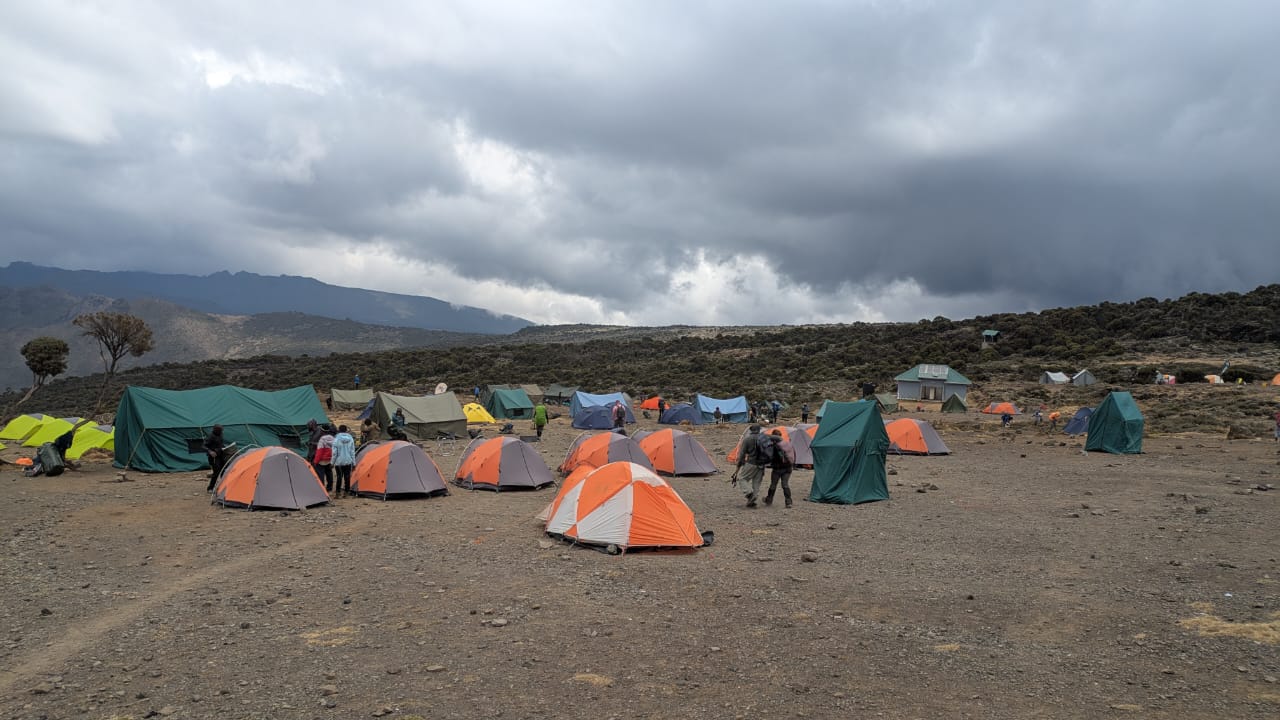
Mountain Tents
Overnight accommodation is in tents at designated Kilimanjaro camps. The support crew prepares camp according to the confirmed climbing arrangement.
Dining and Camp Support
Meals are prepared by the mountain cook while porters and support staff manage group equipment and camp logistics.
Basic Mountain Facilities
Camps are functional high-altitude trekking locations rather than hotel-style accommodation. Facilities are basic and weather conditions can change quickly.
Altitude Profile
| Location | Approx. Elevation | Zone | Main Consideration |
|---|---|---|---|
| Lemosho Gate | ~2,100 m | Lower rainforest | Begin slowly and establish a comfortable pace |
| Mti Mkubwa | ~2,650 m | Rainforest | Hydration and early adaptation |
| Shira Area | ~3,500–3,850 m | Moorland / plateau | Monitor response to increasing elevation |
| Lava Tower | ~4,600 m | High volcanic terrain | Important acclimatization exposure |
| Barranco Camp | ~3,900 m | High valley | Sleep lower after Lava Tower |
| Karanga Camp | ~3,995 m | High alpine zone | Recovery before summit-base approach |
| Barafu Camp | ~4,670 m | Alpine desert | Rest and prepare for summit night |
| Stella Point | ~5,756 m | Crater rim | Major summit milestone |
| Uhuru Peak | 5,895 m | Extreme altitude | Follow guide instructions and descend when required |
Lemosho Route Acclimatization
The seven-day Lemosho route uses progressive elevation gain and a significant Lava Tower high point before descending to Barranco Camp. The Karanga overnight also creates a more measured approach to Barafu.
- Walk slowly from the beginning of the climb
- Drink regularly throughout each trekking day
- Eat enough even when appetite decreases
- Use the Lava Tower day as an important acclimatization stage
- Benefit from the Karanga overnight before Barafu
- Report headaches, nausea, dizziness or unusual fatigue
- Follow guide instructions if descent becomes necessary
7-Day Lemosho vs 8-Day Lemosho Route
7-Day Lemosho
Offers the classic western approach with a strong acclimatization profile but uses a slightly more compressed schedule across the early Shira section.
8-Day Lemosho
Adds an extra trekking day, creating a more gradual progression and additional time at intermediate elevations.
Best Time to Climb the Lemosho Route
| Period | General Conditions | Trail Experience | Important Note |
|---|---|---|---|
| January – March | Often relatively dry with changing mountain weather | Popular climbing period | Summit temperatures remain very cold |
| April – May | Higher chance of rain | Wetter rainforest and possible muddy trails | Waterproof protection is especially important |
| June – October | Generally drier period | Popular trekking season | Some camps and shared trail sections may be busier |
| November – December | Possible short rains and variable conditions | Mixed weather and changing trail conditions | Mountain weather remains unpredictable |
Meals and Drinking Water
Meals are prepared by the mountain cook and generally include breakfast, lunch and dinner during the climb according to the confirmed package.
Appetite can decrease at altitude, but maintaining adequate food intake is important for trekking energy and recovery.
Drinking water is collected and treated according to the mountain operation. Bring reusable water containers and follow your guide's hydration instructions.
Professional Lemosho Route Mountain Crew
Your climbing team normally includes a licensed Kilimanjaro guide together with porters, a mountain cook and support staff appropriate for the group size and park requirements.
Guides manage pacing, route decisions, daily briefings and altitude monitoring. Porters transport group equipment and permitted personal loads, while cooks prepare meals at camp.
What to Pack for the 7-Day Lemosho Route
Clothing
- Moisture-wicking base layers
- Warm fleece or insulated mid-layer
- Waterproof outer jacket
- Waterproof trekking trousers
- Warm summit jacket
- Thermal underwear
- Warm hat
- Sun hat
- Warm gloves
- Hiking socks
Trekking Essentials
- Broken-in hiking boots
- Daypack
- Headlamp and spare batteries
- Trekking poles
- Reusable water bottles or hydration system
- Sunglasses
- Sunscreen
- Personal medication
- Small personal first-aid supplies
- Waterproof protection for personal gear
7 Days Lemosho Route Includes and Excludes
Package Includes
- Transfer from agreed hotel to the Lemosho starting gate
- Transfer from Mweka Gate after the climb
- Kilimanjaro National Park fees listed in the confirmed quotation
- Mountain camping accommodation during the trek
- Professional licensed Kilimanjaro guide
- Porters according to park rules and group requirements
- Mountain cook and crew support
- Breakfast, lunch and dinner during the climb
- Drinking water arrangements on the mountain
- Rescue-related park fees where included in the confirmed package
- Applicable taxes stated in the quotation
Package Excludes
- International flights
- Tanzania visa costs
- Travel and medical insurance
- Personal trekking equipment
- Sleeping bag unless specifically listed as included
- Personal medications
- Guide, porter and cook gratuities
- Alcoholic and premium drinks
- Hotel accommodation before or after the trek unless included
- Airport transfers unless specifically included
- Emergency costs not covered by insurance or the package
- Items not specifically listed as included
Frequently Asked Questions
How long is the 7-day Lemosho Route?
The itinerary includes seven trekking days from the western approach to the summit attempt and descent through Mweka Gate.
Do we stay in tents?
Yes. Lemosho is a camping route and standard overnight accommodation is in mountain tents.
Where does the route start?
The Lemosho Route approaches Kilimanjaro from the western side before crossing the Shira Plateau and joining the southern circuit.
What is the main acclimatization day?
The route reaches the Lava Tower area at approximately 4,600 meters before descending to Barranco Camp to sleep lower.
Do we climb the Barranco Wall?
Yes. The standard Lemosho itinerary joins the southern circuit and includes the Barranco Wall before Karanga.
Why stay at Karanga Camp?
The Karanga overnight provides recovery time and creates a more gradual approach to Barafu before summit night.
What is the highest point?
Uhuru Peak is 5,895 meters above sea level.
Is technical climbing required?
The standard Lemosho Route is a trekking route and generally does not require technical mountaineering skills.
Where does summit night begin?
The summit attempt begins from Barafu Camp at approximately 4,670 meters.
Do we pass Stella Point?
Yes. The standard summit route reaches Stella Point before continuing toward Uhuru Peak when conditions allow.
Can beginners climb the 7-day Lemosho Route?
Beginners with suitable fitness, preparation and realistic expectations can attempt the route, but altitude remains the main challenge.
Can trekking gear be rented?
Selected trekking equipment may be available for rental in Moshi or Arusha depending on operator inventory.
Can airport transfers be arranged?
Yes. Transfers between Kilimanjaro International Airport, Moshi, Arusha and your hotel can be added.
Can Lemosho be combined with a safari?
Yes. A Northern Tanzania wildlife safari can be arranged before or after the climb.
Can Zanzibar be added after the climb?
Yes. A Zanzibar beach holiday can be combined with the Lemosho climb and optional Tanzania safari.
Can I change to an 8-day Lemosho Route?
Yes. The eight-day version adds an extra trekking day and creates a more gradual overall schedule.
Book Your 7 Days Lemosho Route Kilimanjaro Climb
Begin on Kilimanjaro's western side, cross the Shira Plateau, acclimatize around Lava Tower, climb the Barranco Wall, overnight at Karanga and Barafu, and attempt Uhuru Peak at 5,895 meters.
Send Epic Summit Safaris your preferred climbing dates, number of trekkers, pickup location, hotel requirements and equipment needs to receive a personalized Lemosho Route quotation.
Request Your Kilimanjaro Quote