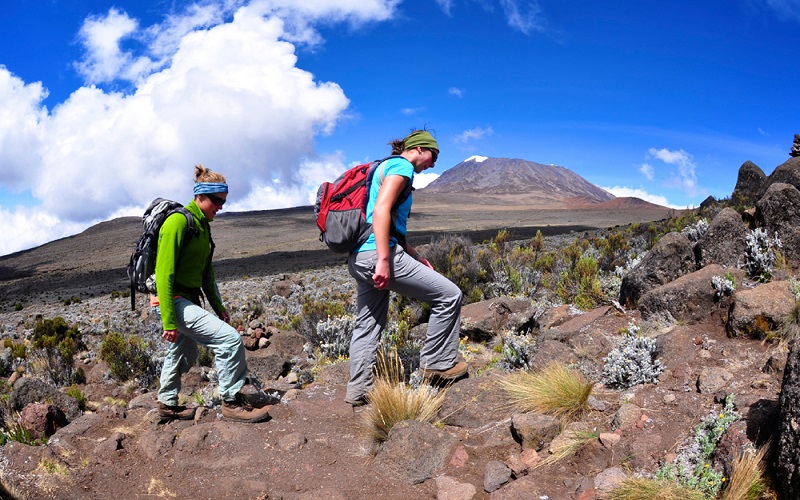
The 6 Days Marangu Route Kilimanjaro climb is a popular option for trekkers who prefer the established Marangu trail but want more acclimatization time than the shorter five-day version. The route uses permanent mountain huts at Mandara, Horombo and Kibo rather than tents.
The trek begins at Marangu Gate and climbs through humid montane rainforest toward Mandara Hut. On the second day the trail reaches Horombo Hut in the moorland zone, where the six-day itinerary remains for an additional acclimatization day.
The extra Horombo day typically includes a higher-elevation acclimatization hike before returning to the hut to sleep lower. The exact destination and distance can vary according to guide planning, weather, trail conditions and the health of the group.
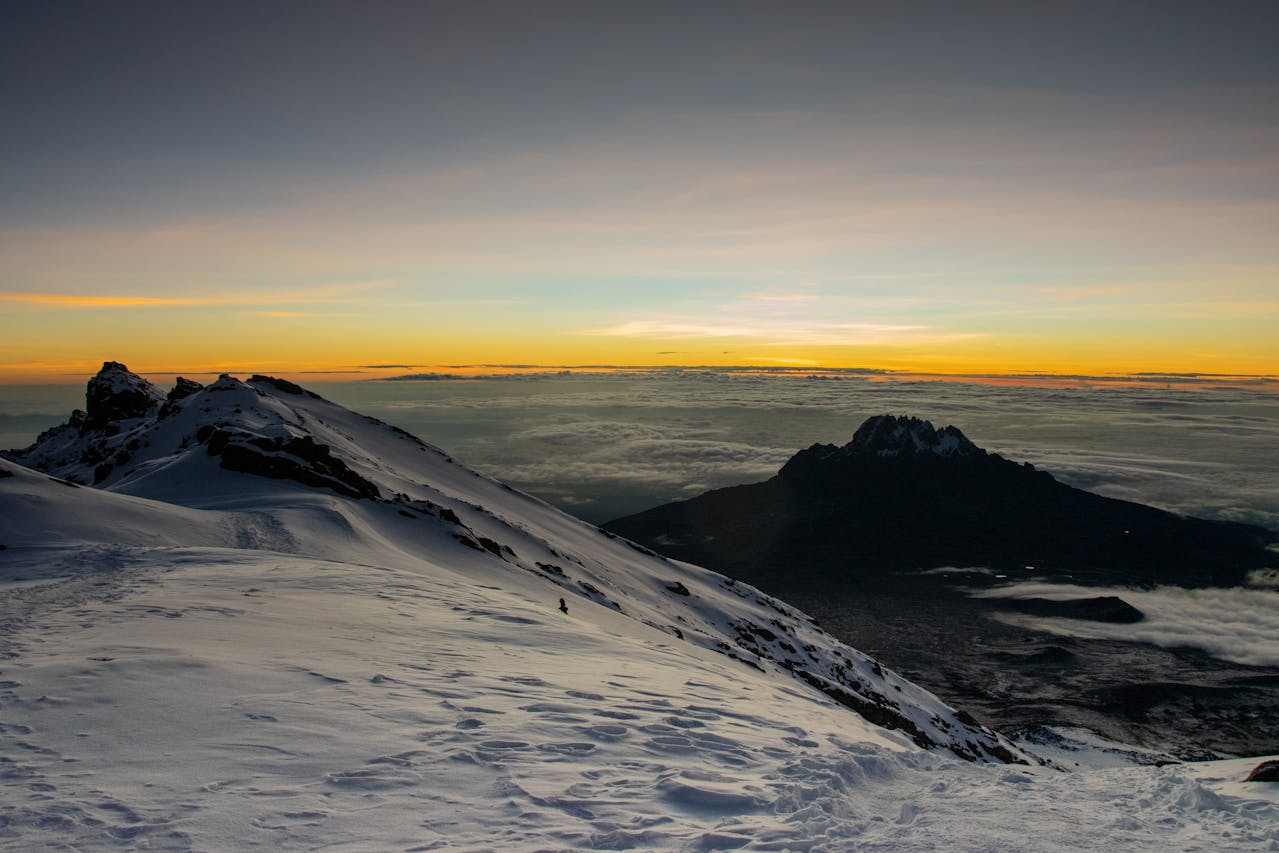
After acclimatization, continue across increasingly dry terrain toward Kibo Hut. Summit night begins late at night or around midnight, with a slow ascent toward Gilman's Point and then Uhuru Peak at 5,895 meters if conditions and trekker health allow.
The six-day version remains physically demanding and altitude risk still exists, but the additional day provides a more gradual schedule than the five-day Marangu itinerary.
6 Days Marangu Route Kilimanjaro Route
6 Days Marangu Route at a Glance
| Day | Route | Approx. Elevation | Main Purpose | Overnight |
|---|---|---|---|---|
| Day 1 | Marangu Gate → Mandara Hut | ~1,860 m → ~2,700 m | Rainforest trekking | Mandara Hut |
| Day 2 | Mandara Hut → Horombo Hut | ~2,700 m → ~3,720 m | Gain elevation through moorland | Horombo Hut |
| Day 3 | Horombo Acclimatization Hike | Higher hike, return ~3,720 m | Acclimatization and recovery | Horombo Hut |
| Day 4 | Horombo Hut → Kibo Hut | ~3,720 m → ~4,700 m | Alpine desert approach | Kibo Hut |
| Day 5 | Kibo → Uhuru Peak → Horombo | ~4,700 m → 5,895 m → ~3,720 m | Summit attempt and long descent | Horombo Hut |
| Day 6 | Horombo Hut → Marangu Gate | ~3,720 m → ~1,860 m | Final descent | Trek Ends |
6 Days Marangu Route Highlights
Extra Acclimatization Day
Spend an additional day around Horombo before continuing toward Kibo, creating a more gradual schedule than the five-day Marangu itinerary.
Classic Hut-Based Route
Stay in permanent mountain huts instead of camping in tents throughout the standard Marangu itinerary.
Rainforest to Alpine Desert
Walk through several distinct ecological zones as altitude and vegetation change across the mountain.
Horombo Acclimatization Hike
Trek higher during the acclimatization day before returning to sleep at Horombo Hut.
Uhuru Peak – 5,895 m
Attempt to reach the summit of Mount Kilimanjaro and the highest point in Africa.
Professional Mountain Crew
Climb with experienced guides, porters and cooks supporting the trek from gate to gate.
Detailed 6 Days Marangu Route Kilimanjaro Itinerary
Marangu Gate to Mandara Hut
After breakfast at your hotel in Moshi or another agreed pickup location, meet your mountain team and drive toward Marangu Gate on the southeastern side of Mount Kilimanjaro.
At the gate, your guide manages registration and park entry procedures while the support crew organizes food, group equipment and permitted personal duffel loads.
Begin trekking through Kilimanjaro's montane rainforest. The trail is well established but may become wet and slippery during periods of rain.
Walk slowly from the beginning and allow your body to adjust gradually to the increasing elevation. The forest environment can be humid, and temperatures may vary when clouds or rain move through the mountain.
Arrive at Mandara Hut at approximately 2,700 meters. Settle into the shared hut accommodation, change into dry clothing if needed and enjoy dinner prepared by the mountain cook.
Your guide provides an evening briefing covering the following day's route, pacing, weather and hydration.
Marangu Gate (~1,860 m) → Mandara Hut (~2,700 m)Mandara Hut to Horombo Hut
After breakfast, leave Mandara Hut and continue upward. The dense rainforest gradually becomes thinner, revealing the more open vegetation of the moorland zone.
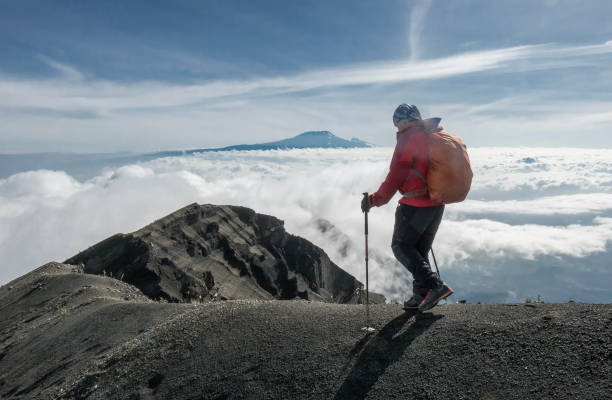
Depending on weather and visibility, the route may provide views toward Kilimanjaro's upper slopes and the jagged profile of Mawenzi.
Today's walk gains significant altitude, so a slow and controlled pace remains important. Take short breaks, drink regularly and adjust clothing as temperatures change.
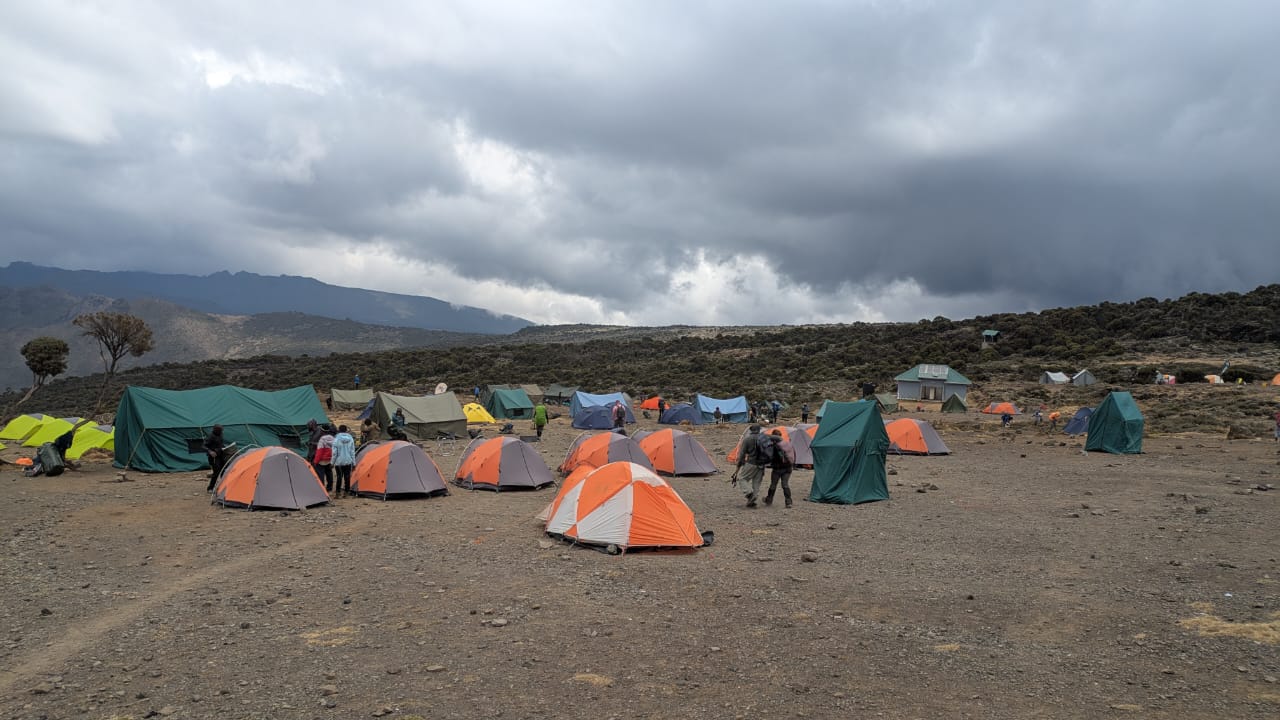
Arrive at Horombo Hut at approximately 3,720 meters. Horombo is one of the major Marangu Route stations and will be your base for two consecutive nights on this six-day itinerary.
After arrival, rest, hydrate and monitor how you are feeling. Dinner is followed by a guide briefing about the following day's acclimatization hike.
Mandara Hut (~2,700 m) → Horombo Hut (~3,720 m)Horombo Hut Acclimatization Day
Day three is the major difference between the six-day and five-day Marangu itineraries. Instead of continuing directly to Kibo Hut, remain based at Horombo and complete an acclimatization hike to a higher elevation.
The exact route may vary according to guide planning, weather and the condition of the group. A common objective is to walk higher into the surrounding moorland and alpine transition zone before returning to Horombo Hut.
This "climb higher, sleep lower" approach provides additional exposure to altitude while allowing the night to be spent back at approximately 3,720 meters.
Maintain a slow pace even though the day may feel easier than summit day. Continue drinking regularly and communicate openly with your guide about headaches, nausea, dizziness, unusual fatigue or other symptoms.
After the acclimatization hike, return to Horombo for lunch or an afternoon meal according to the schedule. Use the remaining time to rest, organize equipment and prepare for the higher trek to Kibo the following day.
Dinner and a second overnight are at Horombo Hut.
Horombo Hut → Acclimatization Hike → Return to Horombo HutHorombo Hut to Kibo Hut
After breakfast, leave Horombo and continue toward Kibo Hut. Vegetation becomes increasingly sparse as the route enters the high-altitude alpine desert.
The broad saddle between Kilimanjaro's main summit mass and Mawenzi creates a dramatic, exposed landscape. Strong sun may be experienced during clear periods, while wind and cloud can cause temperatures to fall quickly.
The reduced oxygen at this elevation makes controlled pacing especially important. Continue drinking and eating even if appetite decreases.
Arrive at Kibo Hut at approximately 4,700 meters. The remainder of the afternoon is used mainly for rest and preparation because the summit attempt begins later that night.
Organize summit clothing, headlamp, gloves, water and snacks. Eat an early dinner and attend your guide's final summit briefing before attempting to sleep.
Horombo Hut (~3,720 m) → Kibo Hut (~4,700 m)Kibo Hut to Uhuru Peak – Descend to Horombo Hut
Wake late at night and prepare for the summit attempt. After a light meal or hot drink, begin climbing slowly in darkness.
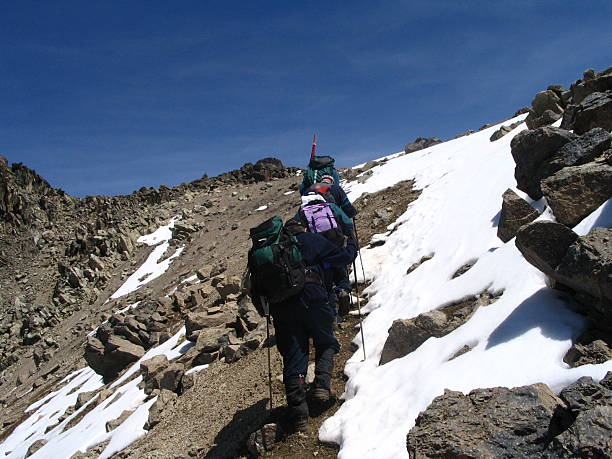
The ascent above Kibo is steep, cold and physically demanding. Headlamps illuminate the route as the group follows a slow zigzag pattern over volcanic terrain.
Your guide controls the pace and monitors the group carefully. Altitude, cold and fatigue can make this section difficult even for well-prepared trekkers.
Continue toward Gilman's Point at approximately 5,685 meters on the crater rim. Reaching the rim is a major achievement, but climbers who are healthy enough may continue toward Uhuru Peak.
Follow the crater rim toward Uhuru Peak at 5,895 meters, the highest point on Mount Kilimanjaro and the highest point in Africa.
Time at extreme altitude is limited. Take photographs, follow your guide's instructions and begin descending when directed.
Return toward Kibo Hut for a short rest and food before continuing the long descent to Horombo Hut.
Arrive at Horombo later in the day for dinner and overnight.
Kibo Hut (~4,700 m) → Uhuru Peak (5,895 m) → Horombo Hut (~3,720 m)Horombo Hut to Marangu Gate – Transfer to Moshi
After breakfast, begin the final descent from Horombo through the moorland and back into Kilimanjaro's montane rainforest.
Descending requires less cardiovascular effort than climbing but can still be tiring for knees and leg muscles. Trekking poles may be useful on long or slippery sections.
Continue past Mandara Hut and descend toward Marangu Gate.
At the gate, complete park exit procedures and meet the transfer vehicle for the journey back to Moshi or another agreed location.
This completes your six-day Marangu Route Kilimanjaro climb.
Horombo Hut (~3,720 m) → Marangu Gate (~1,860 m) → MoshiWhy Choose the 6-Day Marangu Route?
- Extra acclimatization day at Horombo
- More gradual itinerary than the five-day version
- Permanent mountain hut accommodation
- Classic Marangu trekking trail
- Rainforest, moorland and alpine desert landscapes
- Professional mountain crew support
- Summit attempt toward Uhuru Peak at 5,895 meters
Marangu Route Hut Accommodation
Mandara Hut
The first overnight is in the forest transition zone. Accommodation is basic and shared inside permanent mountain huts.
Horombo Hut
Horombo is used for two consecutive nights during the ascent on the six-day route and again after the summit descent.
Kibo Hut
Kibo is the high-altitude base for the summit attempt. Conditions are colder and more basic, and rest time is limited.
Altitude Profile
| Location | Approx. Elevation | Zone | Main Consideration |
|---|---|---|---|
| Marangu Gate | ~1,860 m | Lower mountain | Start slowly and establish a steady pace |
| Mandara Hut | ~2,700 m | Forest / transition | Hydration and gradual adaptation |
| Horombo Hut | ~3,720 m | Moorland | Two-night base for acclimatization |
| Kibo Hut | ~4,700 m | Alpine desert | Rest and summit preparation |
| Gilman's Point | ~5,685 m | Crater rim | Major summit milestone |
| Uhuru Peak | 5,895 m | Extreme altitude | Follow guide instructions and descend promptly when required |
Acclimatization and Altitude Awareness
The additional Horombo day is designed to provide more acclimatization time than the five-day itinerary, but it does not remove altitude risk.
- Walk slowly from the first day
- Drink regularly
- Eat sufficient meals and snacks
- Rest properly at the huts
- Report headaches, nausea, dizziness or unusual fatigue
- Never hide worsening altitude symptoms
- Follow the guide's decision if descent becomes necessary
Best Time to Climb the Marangu Route
| Period | General Conditions | Trail Experience | Important Note |
|---|---|---|---|
| January – March | Often relatively dry with changing mountain weather | Popular climbing period | Summit conditions remain cold |
| April – May | Higher chance of rain | Wetter lower trail and fewer trekkers at times | Strong waterproof protection is important |
| June – October | Generally drier period | Popular trekking season | Busy periods may occur |
| November – December | Possible short rains and variable conditions | Mixed trail conditions | Weather can change quickly |
Meals and Drinking Water
Meals are prepared by the mountain cook and generally include breakfast, lunch and dinner during the trek according to the confirmed package.
Appetite may decrease at altitude, so trekkers should make an effort to continue eating enough to support the physical demands of the climb.
Drinking water is collected and treated according to the mountain operation. Bring suitable reusable water bottles or a hydration system and follow your guide's instructions.
Professional Mountain Crew
Your mountain team normally includes a licensed Kilimanjaro guide together with porters, a cook and other crew appropriate for the group size and park requirements.
The guide manages pacing, route decisions, daily briefings and altitude monitoring. Porters transport group equipment and permitted personal duffel loads, while the cook prepares meals during the trek.
What to Pack for the 6-Day Marangu Route
Clothing
- Moisture-wicking base layers
- Warm fleece or insulated mid-layer
- Waterproof outer jacket
- Waterproof trekking trousers
- Warm summit jacket
- Thermal underwear
- Warm hat
- Sun hat
- Warm gloves
- Hiking socks
Trekking Essentials
- Broken-in hiking boots
- Daypack
- Headlamp and spare batteries
- Trekking poles
- Reusable water bottles or hydration system
- Sunglasses
- Sunscreen
- Personal medication
- Small personal first-aid supplies
- Waterproof protection for personal gear
6 Days Marangu Route Includes and Excludes
Package Includes
- Transfer from agreed hotel to Marangu Gate
- Transfer from Marangu Gate after the climb
- Kilimanjaro National Park fees listed in the confirmed quotation
- Mountain hut accommodation during the trek
- Professional licensed Kilimanjaro guide
- Porters according to park rules and group requirements
- Mountain cook and crew support
- Breakfast, lunch and dinner during the climb
- Drinking water arrangements on the mountain
- Rescue-related park fees where included in the confirmed package
- Applicable taxes stated in the quotation
Package Excludes
- International flights
- Tanzania visa costs
- Travel and medical insurance
- Personal trekking equipment
- Sleeping bag unless specifically listed as included
- Personal medications
- Guide, porter and cook gratuities
- Alcoholic and premium drinks
- Hotel accommodation before or after the trek unless included
- Airport transfers unless specifically included
- Emergency costs not covered by insurance or the package
- Items not specifically listed as included
Frequently Asked Questions
What is the main difference between the 5-day and 6-day Marangu Route?
The six-day version adds an extra acclimatization day at Horombo before continuing toward Kibo Hut.
Do we stay in huts?
Yes. Marangu uses permanent shared mountain huts rather than camping tents.
What happens on the acclimatization day?
You normally complete a higher-elevation hike from Horombo and then return to sleep at Horombo. The exact route can vary according to guide planning and conditions.
What is the highest point?
Uhuru Peak is 5,895 meters above sea level.
Is the six-day route easier than the five-day route?
It provides more acclimatization time, but Kilimanjaro remains physically demanding and altitude can affect any climber.
Is technical climbing required?
The standard Marangu Route is a trekking route and generally does not require technical climbing skills.
Where do we sleep before summit night?
The summit attempt begins from Kibo Hut at approximately 4,700 meters.
Do we pass Gilman's Point?
Yes. The standard summit route reaches Gilman's Point on the crater rim before continuing toward Uhuru Peak when conditions allow.
Can beginners climb Marangu?
Beginners with appropriate fitness, preparation and realistic expectations can attempt the route, but altitude remains a major challenge.
Can trekking equipment be rented?
Selected trekking equipment may be available for rental in Moshi or Arusha depending on inventory and operator arrangements.
Can the trek start from Arusha?
Yes. Transfers can be arranged from Arusha, although Moshi is closer to Marangu Gate.
Can airport transfers be arranged?
Yes. Kilimanjaro International Airport transfers can be added according to your flight schedule.
Can I combine Marangu with a safari?
Yes. A Tanzania wildlife safari can be arranged before or after the Kilimanjaro climb.
Can Zanzibar be added after Kilimanjaro?
Yes. A Zanzibar beach holiday can be combined with the climb and optional safari.
Can the itinerary be customized?
Yes. Hotel nights, airport transfers, trekking dates, equipment arrangements, safari extensions and Zanzibar can be customized.
Book Your 6 Days Marangu Route Kilimanjaro Climb
Follow the classic Marangu trail through rainforest, moorland and alpine desert, benefit from an extra acclimatization day at Horombo, stay in permanent mountain huts and attempt to reach Uhuru Peak at 5,895 meters.
Send Epic Summit Safaris your preferred climbing dates, number of trekkers, pickup location, hotel requirements and any equipment needs to receive a personalized Kilimanjaro quotation.
Request Your Kilimanjaro Quote