Selous and Nyerere: Understanding the Two Names
Travelers searching for a safari in southern Tanzania frequently encounter the names Selous Game Reserve, Nyerere National Park, Selous Safari, and Selous/Nyerere National Park. These names are closely connected, but they do not describe exactly the same protected area under the current management structure.
The name “Selous” remains widely used because travelers, travel agents, maps, guidebooks, and safari businesses used it for many years. A tour advertised as a “Selous safari” will commonly take visitors to the photographic safari area now officially known as Nyerere National Park.
Where Is Nyerere National Park Located?
Nyerere National Park lies in southern Tanzania and forms part of the country's Southern Safari Circuit. It is reached most commonly from Dar es Salaam, Zanzibar, Morogoro, or another southern Tanzania safari destination.
Its position makes it especially convenient for travelers combining a mainland wildlife safari with a Zanzibar beach holiday. Scheduled and charter flights can connect Zanzibar or Dar es Salaam with airstrips serving different parts of the park.
Road access is also available, normally from Dar es Salaam through the Kibiti and Utete direction. The exact route, driving time, road surface, and entry gate depend on the season and the location of the selected lodge or camp. A four-wheel-drive vehicle is strongly recommended, particularly during periods of rain.
Landscape and Natural Environment
Nyerere National Park is not defined by one single landscape. Its size allows visitors to see several natural environments within the same safari, from dry woodland to river channels and open floodplains.
Rufiji River
The Rufiji River is the central feature of the park's northern tourism area. Its channels, sandbanks, islands, and riverbanks attract hippos, crocodiles, elephants, buffaloes, waterbirds, and predators.
Lakes and Wetlands
Connected lakes and seasonal wetlands provide important water sources and create excellent locations for birdwatching, photography, boat trips, and wildlife viewing during the dry season.
Miombo Woodland
Large sections of the park are covered by miombo woodland. This habitat supports elephants, wild dogs, antelopes, giraffes, buffaloes, lions, leopards, birds, and many smaller species.
Open Grasslands
Grasslands and floodplains provide wider views and can be productive areas for seeing plains game, elephants, buffaloes, giraffes, and predators.
Riverine Forest
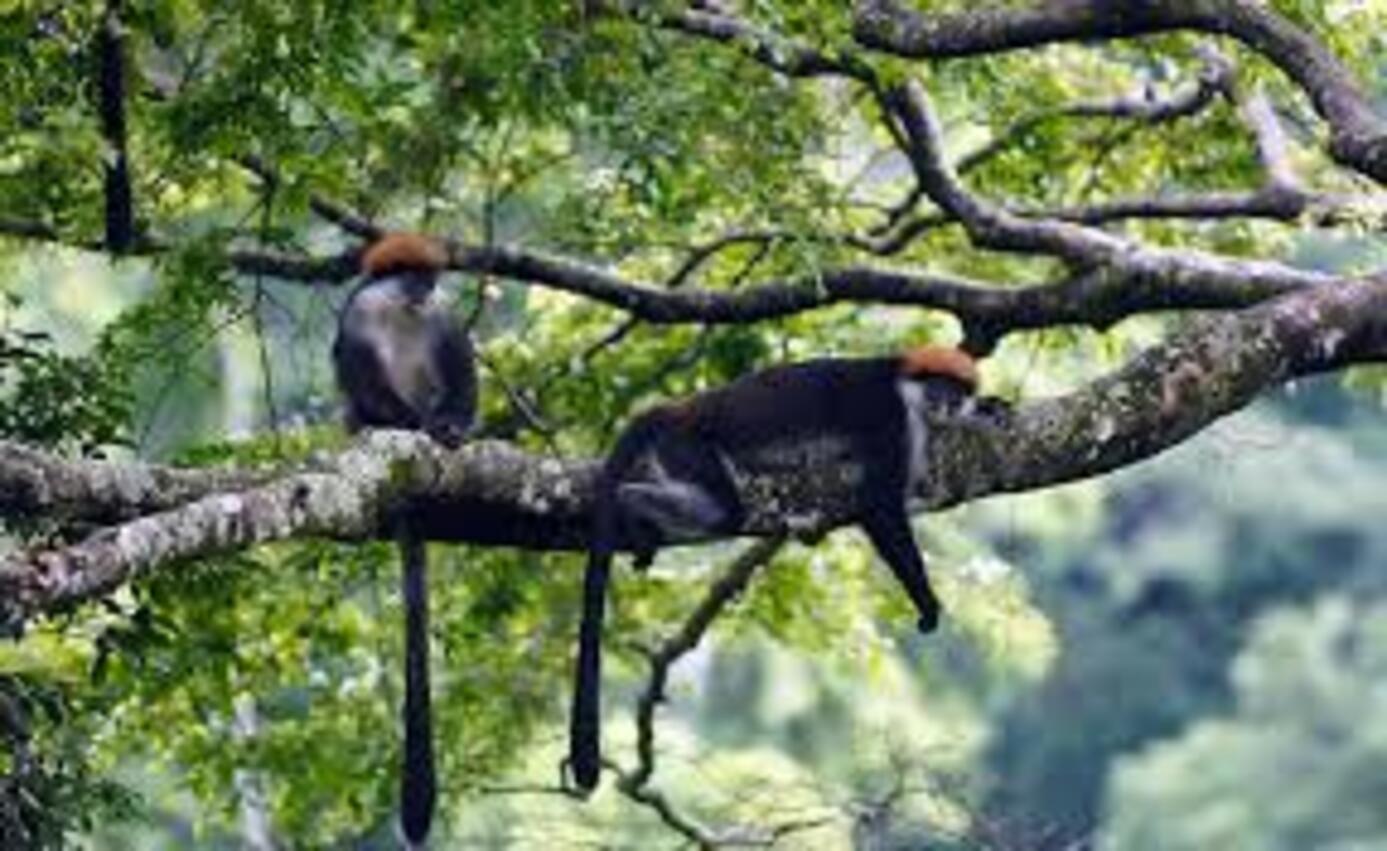
Thick vegetation near rivers and lakes offers shade, food, and cover for monkeys, birds, elephants, leopards, and other wildlife.
Seasonal Sand Rivers
Some channels remain dry for part of the year and fill rapidly during rains. These changing water systems influence wildlife movements throughout the wider Selous ecosystem.
Wildlife in Selous and Nyerere National Park
Nyerere offers a broad range of wildlife rather than depending on one famous animal or annual migration. Wildlife movements are influenced by water, vegetation, fire, rainfall, and the changing condition of the Rufiji River system.
The park is particularly respected as an important habitat for African wild dogs. These social predators range across large territories, so sightings cannot be guaranteed, but Nyerere remains one of the stronger destinations for travelers hoping to see them in a natural wilderness setting.
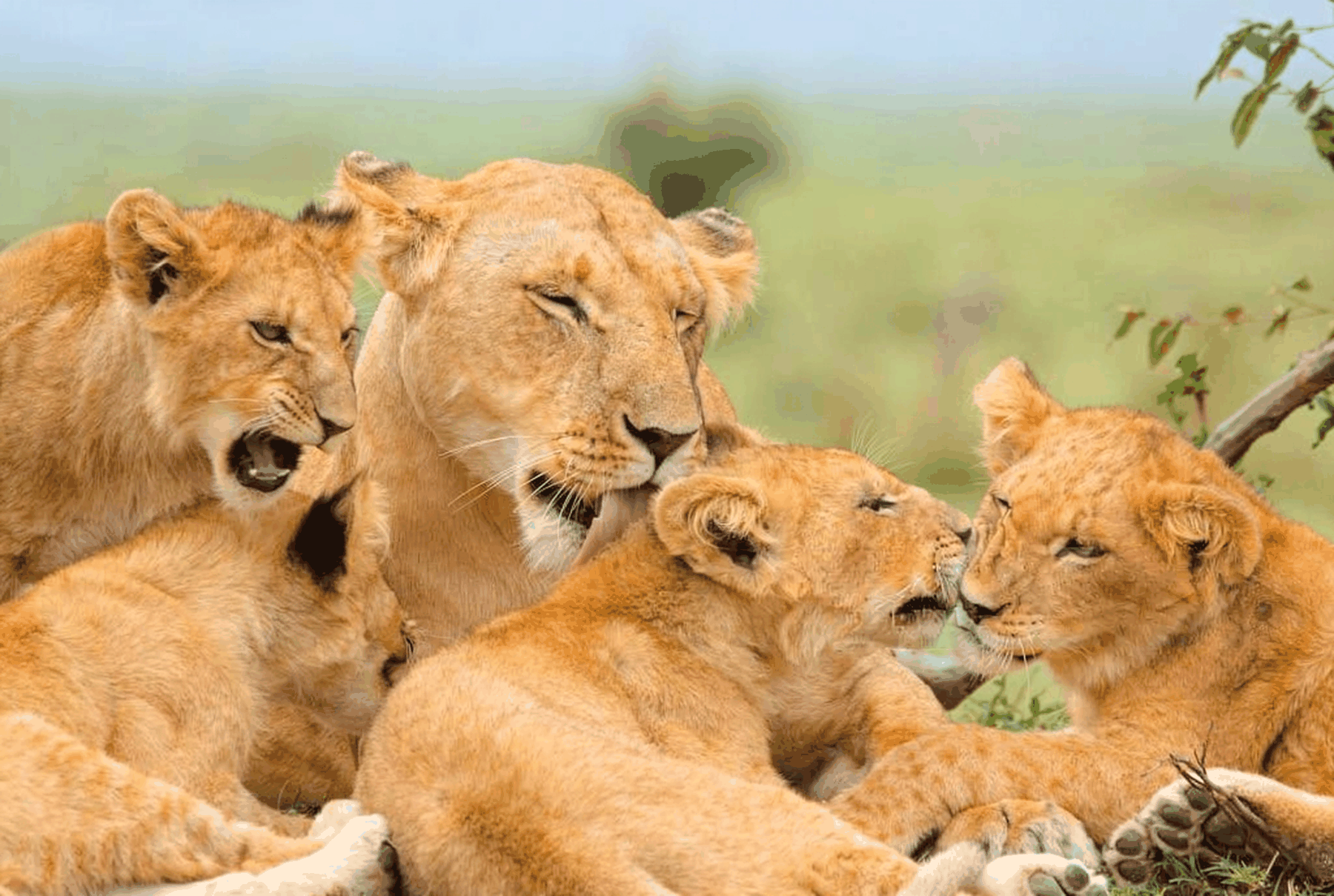
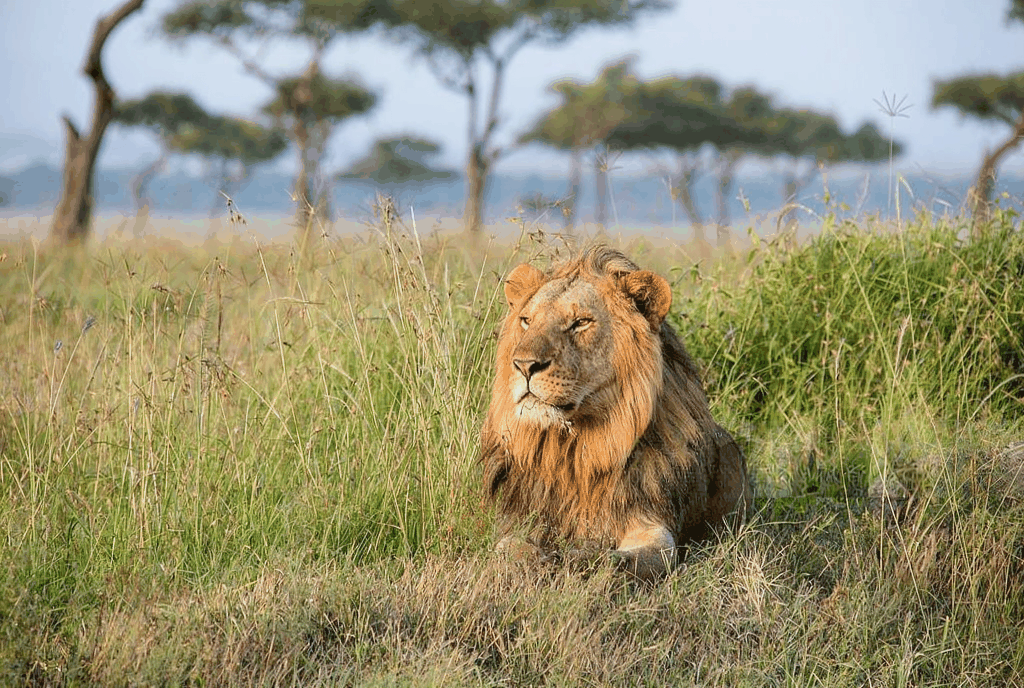
Lions are commonly associated with the open plains, woodland edges, and areas where herbivores gather. Leopards are more secretive and may be found around riverine vegetation or woodland. Hyenas, jackals, mongooses, civets, genets, and smaller cats may also occur.
Elephants, buffaloes, giraffes, zebras, wildebeest, impalas, waterbuck, reedbuck, eland, sable antelope, greater kudu, and warthogs are among the herbivores that may be encountered during game drives.
Hippos and crocodiles are important parts of the Rufiji River experience. Visitors should always follow the boat guide's safety instructions and should never approach the water's edge without an authorized guide.
Birdwatching in Nyerere National Park
The combination of river channels, lakes, wetlands, grasslands, and woodland makes Nyerere an excellent birding destination. More than 430 bird species have been recorded across the park's varied habitats.
Visitors may see African fish eagles, kingfishers, bee-eaters, hornbills, storks, herons, egrets, African skimmers, rollers, sunbirds, raptors, waterfowl, and seasonal migrant species.
Boat safaris are especially useful for observing water-associated birds at a slower pace. Early mornings and late afternoons generally provide comfortable temperatures, softer light, and active birdlife.
Top Safari Activities
Game drives remain the main way to explore Nyerere National Park. A four-wheel-drive safari vehicle allows visitors to cover woodland, plains, lakes, riverbanks, and wildlife corridors.
Morning drives are often productive because temperatures are cooler and animals may be more active. Afternoon drives can continue toward sunset, depending on park regulations and the location of the accommodation.
Boat safaris on the Rufiji River or connected waterways are one of the destination's signature experiences. Visitors can observe hippos, crocodiles, elephants, buffaloes, waterbuck, monkeys, and many bird species from the water.
Boat trips may be arranged in the morning or late afternoon. The route and duration depend on river levels, weather, safety conditions, permits, and the operator.
Guided walking safaris provide a closer understanding of animal tracks, plants, insects, trees, birds, and smaller details that may be missed from a vehicle.
Walking safaris must be arranged with authorized guides or rangers. The distance and walking area depend on safety, weather, wildlife activity, participant fitness, and park approval.
Dedicated birding trips can combine vehicle, boat, and walking activities. Travelers should carry binoculars, a bird guide, suitable camera equipment, and enough time to explore different habitats.
The park offers wildlife, bird, landscape, river, and sunset photography. A longer stay improves the chances of working with different light, weather, and animal behavior.
Some camps or authorized operators may arrange night wildlife experiences where legally permitted. Availability should be confirmed in advance because night activities are controlled by park rules, location, permits, and operating conditions.
Best Time to Visit Selous / Nyerere National Park
Nyerere can offer good safari experiences at different times of the year, but wildlife distribution, road access, vegetation, temperatures, river levels, and activity availability change by season.
| Travel Period | General Conditions | What to Expect |
|---|---|---|
| June to October | Drier weather and lower vegetation in many areas | Wildlife may gather near permanent water, roads are generally easier, and game viewing is often more predictable. This is a popular safari period. |
| November to December | Short rains and changing landscapes | The vegetation becomes greener, bird activity increases, and afternoon showers may occur. Some roads can become wet. |
| January to February | Warm conditions with green vegetation | Good scenery, birdlife, young animals, insects, and fewer vehicles in some areas. Wildlife can be more dispersed. |
| March to May | Main rainy period | Heavy rain can affect road access, activities, lodge operations, and flights. Some camps may close temporarily for seasonal maintenance. |
Travelers prioritizing easier game viewing and reliable road access commonly choose the dry months. Travelers interested in green scenery, birdlife, photography, and quieter travel may prefer the wetter or transitional periods.
How to Get to Nyerere National Park
How Many Days Are Recommended?
| Safari Length | Best For | Possible Experience |
|---|---|---|
| One Day | Travelers with very limited time | Usually works best as a fly-in day trip from Zanzibar or Dar es Salaam. Time inside the park may be limited by flight schedules. |
| Two Days / One Night | Short Zanzibar safari extensions | Can include game drives and one additional activity, depending on arrival time, departure time, and lodge location. |
| Three Days / Two Nights | First-time visitors | A balanced option that can include game drives, a boat safari, and possibly a short walking safari. |
| Four Days / Three Nights | Wildlife lovers and photographers | Allows more time to explore different habitats and repeat activities during favorable morning and afternoon hours. |
| Five Days or More | Serious photographers and slow travel | Provides flexibility for wildlife tracking, weather changes, birding, longer game drives, and quieter time at the accommodation. |
Sample Four-Day Nyerere National Park Safari
Arrival and Rufiji River Boat Safari
Travel from Dar es Salaam or Zanzibar by road or flight. Meet your safari guide and transfer to the selected lodge or camp. Depending on arrival time and river conditions, take an afternoon boat safari to see hippos, crocodiles, waterbirds, elephants, and other animals near the river.
Full-Day Game Drive
Start after breakfast or leave early with a packed meal. Explore open plains, miombo woodland, lake areas, and riverine habitats while looking for lions, elephants, buffaloes, giraffes, African wild dogs, hyenas, leopards, antelopes, and birds.
Walking Safari and Afternoon Wildlife Viewing
Join an authorized guide or ranger for a morning walking safari. Return for breakfast and rest before an afternoon game drive or a second boat experience, depending on the package and local conditions.
Final Game Drive and Departure
Take a final morning wildlife drive before transferring to the airstrip or beginning the road journey to Dar es Salaam, Zanzibar, Mikumi, or another destination.
Accommodation in and Around Nyerere National Park
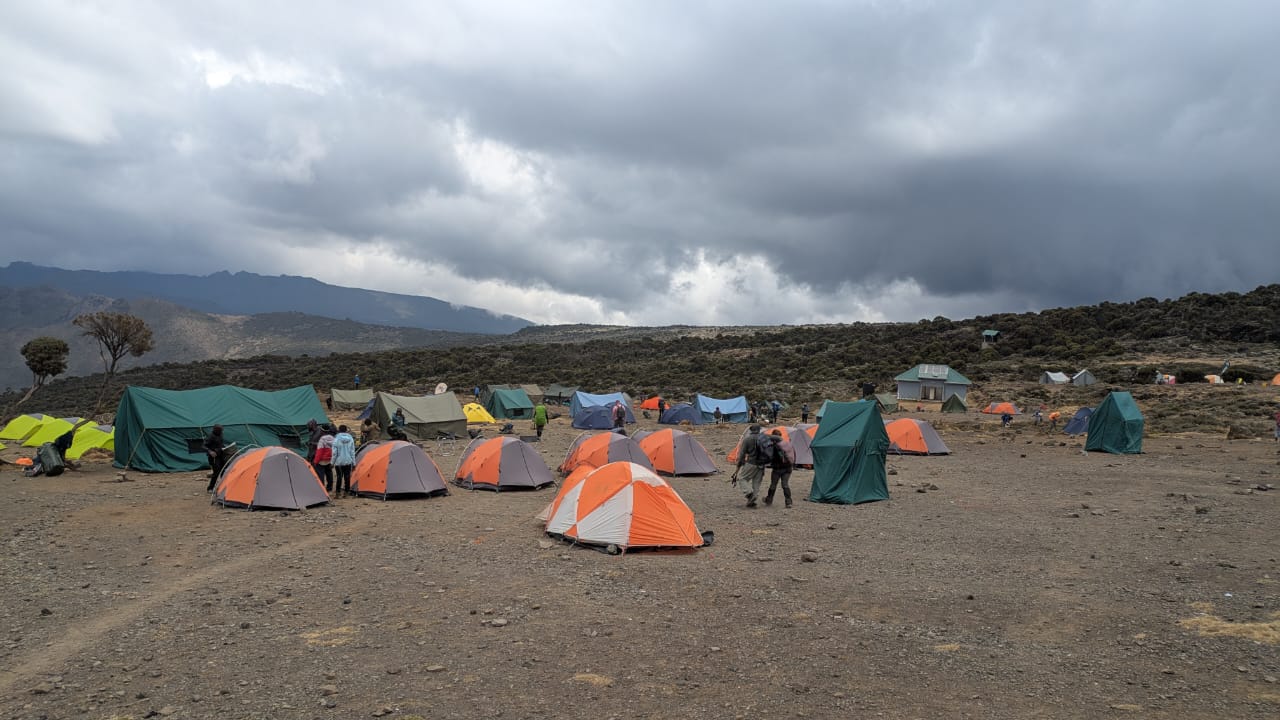
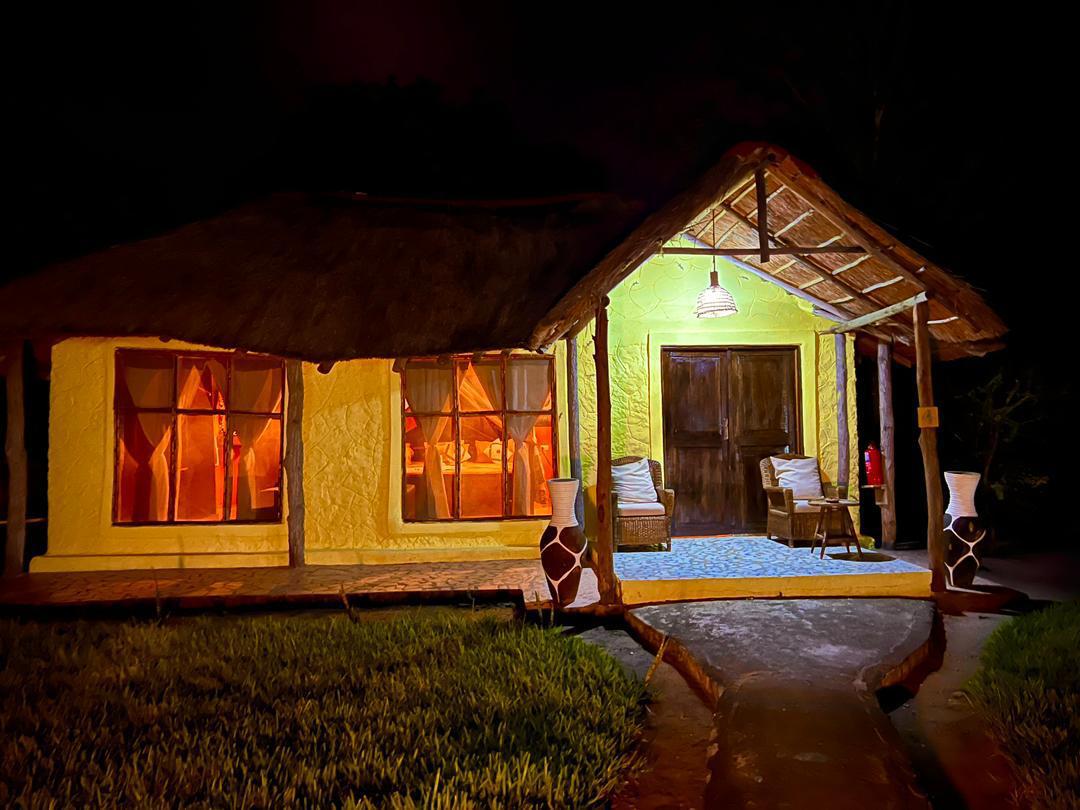
Accommodation ranges from simple public campsites to tented camps, midrange safari camps, luxury lodges, private concessions, and seasonal properties near the Rufiji River.
The most important factor is not only the accommodation category but also its location. Nyerere is extremely large, and a camp positioned near a particular lake, airstrip, gate, or river section may provide a very different safari experience from another property.
Inside or Close to the Park
- Faster access to morning and afternoon game-viewing areas
- More natural bush atmosphere
- Easier connection to boat and walking activities
- Possible wildlife movement around camp
- Higher concession or accommodation costs may apply
Outside the Main Park Area
- Can provide more affordable accommodation
- May offer village or community interaction
- Additional driving may be required each day
- Park entrance times must be considered
- Check whether boat activities are inside or outside park boundaries
Before confirming accommodation, ask whether the quoted rate includes meals, drinking water, concession fees, airport transfers, laundry, game drives, boat safaris, walking safaris, and park fees. These inclusions differ between properties.
What Determines the Safari Price?
- Number of travelers sharing the vehicle and guide
- Private safari versus scheduled shared departure
- Road safari versus scheduled or charter flight
- Number of nights inside or near the park
- Budget, midrange, luxury, or exclusive accommodation
- High-season or low-season travel dates
- Park, concession, camping, and activity fees
- Boat safari and walking safari arrangements
- Domestic flight baggage and transfer costs
- Pickup and drop-off location
- Exclusive vehicle, guide, or photography requirements
- Special dietary, honeymoon, or family arrangements
Park fees and other government charges can change. A final quotation should use the official fee schedule valid for the confirmed travel date rather than an old online price.
Best Safari Combinations
What to Pack
Clothing and Personal Items
- Lightweight neutral-colored clothing
- Long-sleeved shirt and long trousers
- Comfortable closed walking shoes
- Sandals or light shoes for camp
- Sun hat and sunglasses
- Light jacket for mornings and boat trips
- Rain jacket during wetter months
- Swimwear where accommodation permits
Safari Equipment
- Binoculars
- Camera and spare batteries
- Phone or camera power bank
- Memory cards
- Sunscreen
- Insect repellent
- Reusable water bottle
- Small day bag
- Personal medication
Domestic safari flights often use small aircraft with strict baggage limits. Soft-sided bags are generally more practical than hard suitcases. Always confirm the current baggage allowance with the airline before packing.
Health and Safety
- Follow all instructions given by guides, rangers, pilots, and boat crews.
- Wear a life jacket during boat activities.
- Do not stand, change seats, or place hands in the water without permission.
- Never walk outside camp alone unless staff confirm it is safe.
- Do not approach hippos, crocodiles, elephants, buffaloes, or other wildlife.
- Carry sufficient drinking water during road transfers and activities.
- Use sun protection and insect repellent.
- Discuss vaccinations, malaria prevention, and personal medical needs with a qualified travel-health professional before departure.
- Carry travel insurance that covers safari activities and emergency evacuation.
Park Rules and Responsible Travel
Visitors must stay on authorized tracks, maintain a safe distance from animals, follow speed limits, avoid feeding wildlife, and obey guide or ranger instructions. Drones, professional filming, and some specialized activities require advance permission.
- Do not throw plastic, food, cigarette ends, or other waste into the park.
- Keep noise low around wildlife.
- Do not pressure a driver to leave approved roads or chase animals.
- Respect other vehicles at sightings.
- Do not collect plants, feathers, bones, stones, or natural objects.
- Choose operators that follow park regulations and employ qualified guides.
- Support accommodations and programs that provide benefits to nearby communities.
Who Should Visit Nyerere National Park?
Nyerere is suitable for travelers who value space, varied safari activities, river scenery, birdlife, and a less crowded environment. It may be especially attractive to visitors who have already experienced the northern Tanzania safari circuit and want a different style of safari.
Couples and honeymooners can choose private vehicles, river-facing accommodation, private meals, and sunset boat trips. Families can enjoy shorter game drives and flexible daily schedules, although age restrictions may apply to walking and boat activities.
Photographers benefit from combining several nights with both vehicle and boat activities. Birdwatchers can explore wetland, woodland, grassland, and riverine habitats. Solo travelers can book private safaris or join selected shared departures, depending on availability.
Selous / Nyerere National Park Frequently Asked Questions
Is Selous Game Reserve the same as Nyerere National Park?
They are part of the same historical wilderness landscape but are now separately managed protected areas. Most photographic safaris marketed as Selous safaris visit Nyerere National Park.
Can I visit Nyerere National Park from Zanzibar?
Yes. Scheduled and charter flights can connect Zanzibar with airstrips serving the park. One-day, two-day, three-day, and longer fly-in safaris may be arranged according to the flight schedule.
Is a one-day Selous safari enough?
A fly-in day trip can provide a useful introduction, but the experience is controlled by arrival and departure times. Two or three nights provide better opportunities for game drives, boat safaris, and walking activities.
Can I see the Big Five?
Lions, elephants, buffaloes, and leopards occur in the wider ecosystem. Black rhinos are extremely rare and should never be expected on a normal safari. Nyerere should be selected for its wilderness, river activities, wild dogs, and wildlife diversity rather than a guaranteed Big Five checklist.
Are African wild dogs guaranteed?
No wild animal sighting is guaranteed. Wild dogs travel across large territories, but Nyerere remains an important destination for travelers hoping to see them.
Can children join walking safaris?
Age restrictions may apply according to park rules, camp policies, safety conditions, and the type of walking activity. Families should confirm the minimum age before booking.
Is the park open during the rainy season?
Access and lodge operations vary. Heavy rain can affect roads, airstrips, river conditions, and seasonal camp schedules. Current availability must be confirmed before travel.
Which is better: Nyerere or Serengeti?
The two destinations offer different experiences. Serengeti is famous for vast plains and the Great Migration, while Nyerere offers river safaris, walking, miombo woodland, fewer vehicles, and a quieter Southern Circuit setting.
Which is better: Nyerere or Mikumi?
Mikumi is easier to reach by road and works well for short trips. Nyerere is much larger and offers boat safaris, walking activities, major river systems, and a more remote atmosphere.
Do I need a private safari vehicle?
A private vehicle provides greater control over the daily schedule, photography stops, and pace. Shared safaris can reduce the cost but operate according to a group program.
Important Planning Tips
- Confirm whether your package enters Nyerere National Park or stays outside its boundaries.
- Check the exact lodge, camp, gate, and airstrip before booking flights.
- Ask whether park fees, concession fees, meals, transfers, and activities are included.
- Allow enough time for game drives, boat safaris, and walking activities.
- Book early for the dry-season months and holiday periods.
- Confirm baggage limits for domestic flights.
- Request a private vehicle when photography or flexibility is important.
- Inform the operator about children, mobility concerns, medical needs, and dietary requirements.
- Check cancellation terms for flights, camps, and park services.
- Use the latest official park fee schedule when preparing the final quotation.
Plan a Selous / Nyerere National Park Safari
A Selous or Nyerere National Park safari combines Tanzania's southern wilderness with river scenery, wildlife-rich lakes, miombo woodland, game drives, boat trips, walking safaris, and quiet accommodation surrounded by nature.
The destination can be arranged as a short fly-in safari from Zanzibar, a private road trip from Dar es Salaam, or part of a longer Southern Circuit program including Mikumi, Udzungwa Mountains, Ruaha, Mafia Island, or the Tanzanian coast.
For an accurate safari plan, provide your travel dates, number of adults and children, starting location, preferred number of nights, accommodation level, private or shared safari preference, and the activities you would like to include.
.png)
.png)