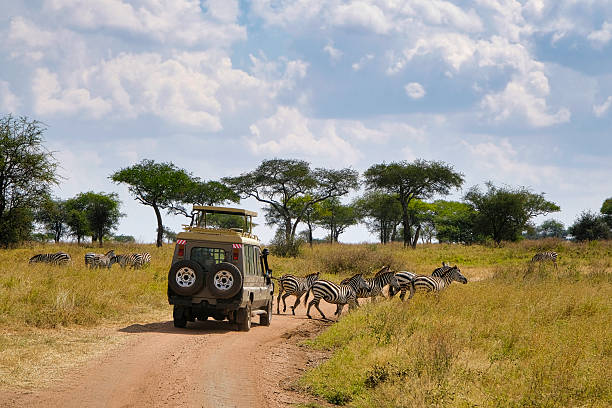
The ideal Serengeti itinerary should include at least three nights in or near Serengeti National Park. This creates enough time for several game drives and reduces the risk of spending most of the safari driving between destinations.
The route can be adjusted according to the month of travel. During migration seasons, accommodation may be selected in southern, central, western, or northern Serengeti. During other periods, Central Serengeti remains a strong option because of its resident wildlife and established predator territories.
You will travel in a customized four-wheel-drive safari vehicle with a professional guide. The vehicle normally includes a viewing roof, comfortable seats, seat belts, charging facilities, luggage space, and drinking water.
Recommended Serengeti Safari Route
Why This Is One of the Best Serengeti Itineraries
Sufficient Serengeti Time
Multiple nights in Serengeti allow travelers to explore several wildlife habitats without relying on a single short game drive.
Balanced Driving Distances
The route combines major destinations while avoiding an excessive number of parks within a limited period.
Seasonal Flexibility
Serengeti accommodation and game-drive regions can be adapted to expected Great Migration movements.
Big Five Opportunities
Tarangire, Serengeti, and Ngorongoro collectively offer opportunities to search for all members of the Big Five.
Diverse Wildlife Habitats
The journey combines rivers, woodland, baobab landscapes, open plains, rocky kopjes, forests, wetlands, and crater habitats.
Private Safari Experience
A private vehicle allows greater flexibility with daily departure times, wildlife interests, and photography stops.
Detailed Best Serengeti Safari Itinerary
Arusha to Tarangire National Park
Your safari begins in Arusha, where your professional guide will meet you at your hotel, residence, airport, or another agreed pickup location.
After a short briefing, begin the journey to Tarangire National Park. The route passes through towns, villages, farming areas, and open countryside.
Tarangire is famous for ancient baobab trees, large elephant populations, seasonal wetlands, acacia woodland, grasslands, and the Tarangire River.
Search for elephants, giraffes, buffaloes, zebras, wildebeest, impalas, waterbuck, warthogs, baboons, lions, leopards, cheetahs, hyenas, and numerous bird species.
Enjoy lunch during the safari and continue with an afternoon game drive before traveling to your lodge or tented camp.
Arusha – Tarangire National Park – Lodge or CampTarangire or Karatu to Serengeti National Park
After breakfast, depart toward Serengeti National Park. The journey normally passes through Karatu and the Ngorongoro Conservation Area.
Enjoy views of farmland, mountain forest, volcanic highlands, Maasai communities, and open grasslands. A short crater viewpoint stop may be arranged depending on weather and available time.
After entering Serengeti National Park, begin a game drive toward your lodge or tented camp. Search for lions, leopards, cheetahs, elephants, giraffes, buffaloes, wildebeest, zebras, hyenas, hippos, and birds.
Arrive at your accommodation during the late afternoon or early evening for dinner and overnight.
Karatu – Ngorongoro Conservation Area – SerengetiFull-Day Central Serengeti Game Drive
Wake early and enjoy breakfast before departing for a full-day game drive in Central Serengeti. This region is known for year-round wildlife viewing and resident predator populations.
Explore open plains, rocky kopjes, river systems, woodland, and seasonal streams. Lions may rest near kopjes, while leopards may sometimes be seen in riverine trees.
Cheetahs may scan open grasslands for gazelles. Other wildlife may include elephants, buffaloes, giraffes, wildebeest, zebras, hippos, crocodiles, topi, impalas, hartebeest, hyenas, and jackals.
Enjoy lunch during the game drive and continue exploring until the late afternoon before returning to camp.
Full-Day Central Serengeti Wildlife SafariSerengeti Great Migration or Resident Wildlife Safari
Begin another full day of wildlife viewing. The day's route depends on the travel season, location of your accommodation, recent wildlife reports, and road conditions.
The Great Migration is a continuous seasonal movement of wildebeest, zebras, and gazelles through the wider Serengeti ecosystem.
Herd locations change according to rainfall, fresh grazing, water availability, and natural behavior. No migration event, river crossing, calving event, or predator hunt can be guaranteed.
When migration herds are not accessible, the game drive will focus on resident wildlife, productive predator territories, river systems, kopjes, and plains.
Serengeti Migration or Resident Wildlife SafariFlexible Full-Day Serengeti Game Drive
This additional Serengeti day gives your guide the flexibility to explore new wildlife locations or revisit areas where interesting sightings were reported.
You may begin with an early morning game drive when predators and herbivores are often active. Alternatively, enjoy breakfast before departing for a full-day safari.
Search for lions, leopards, cheetahs, spotted hyenas, elephants, buffaloes, giraffes, wildebeest, zebras, hippos, crocodiles, antelopes, and birds.
A sunrise balloon safari may be added on this day, depending on location, weather, availability, and additional payment.
Flexible Full-Day Serengeti Wildlife ExplorationSerengeti to Ngorongoro Conservation Area
Enjoy breakfast and begin your final morning game drive in Serengeti National Park. Morning hours provide another opportunity to observe predators and other wildlife.
Your guide may revisit productive areas or follow a different route toward the Serengeti exit.
After lunch, continue toward the Ngorongoro Conservation Area. The landscape gradually changes from open plains to volcanic highlands.
Arrive at your lodge near the crater rim, inside the conservation area, or around Karatu. Carry warm clothing because highland temperatures can become cold.
Serengeti National Park – Ngorongoro HighlandsNgorongoro Crater Game Drive and Return to Arusha
After an early breakfast, drive toward the Ngorongoro Crater descent road and descend approximately 600 metres to the crater floor.
The crater contains open grasslands, forest, swamps, springs, streams, and a seasonal soda lake. These habitats support a high concentration of resident wildlife.
Search for lions, elephants, buffaloes, wildebeest, zebras, spotted hyenas, hippos, warthogs, gazelles, jackals, flamingos, storks, and eagles.
Black rhinos may occasionally be observed from a distance, although sightings are uncommon and cannot be guaranteed.
Enjoy lunch inside the crater and continue the game drive before ascending. Return to Arusha during the late afternoon or evening.
Ngorongoro Crater – Karatu – ArushaHow to Choose the Best Serengeti Itinerary
The best itinerary depends on the number of available days, travel month, accommodation budget, arrival point, preferred pace, and whether Great Migration viewing is a priority.
- Allow at least three nights in Serengeti where possible
- Select accommodation close to planned game-drive areas
- Match the Serengeti region to the travel season
- Avoid including too many distant parks in a short safari
- Use a professional guide with current wildlife knowledge
- Consider a private vehicle for maximum flexibility
- Book migration-season accommodation well in advance
- Keep expectations realistic about wildlife sightings
Best Serengeti Regions by Season
| Travel Period | Suggested Region | Possible Safari Experience |
|---|---|---|
| December to March | Southern Serengeti and Ndutu | Possible large herds, calving activity, green plains, and increased predator activity. |
| April to May | Central or western areas | Green scenery, fewer visitors, resident wildlife, and possible herd movement. |
| June to July | Western Corridor or northern routes | Possible migration movement, large herds, and river crossing opportunities depending on conditions. |
| August to October | Northern Serengeti | Possible Mara River activity, dry-season wildlife, and excellent general game viewing. |
| November | Central or eastern Serengeti | Short rains, fresh grass, changing herd locations, and active resident wildlife. |
Main Safari Destinations
Known for elephants, baobab trees, river habitats, seasonal wetlands, predators, antelopes, and birdlife.
Famous for open plains, rocky kopjes, predators, resident wildlife, and seasonal Great Migration movements.
A volcanic crater supporting concentrated wildlife across grasslands, forest, swamp, spring, and lake habitats.
Safari Includes
- Pickup and drop-off in Arusha
- Professional English-speaking safari guide
- Private four-wheel-drive safari vehicle
- Game drives according to the itinerary
- Park entrance and conservation fees
- Ngorongoro Crater service fee
- Accommodation according to the package
- Meals according to the itinerary
- Drinking water during the safari
- Government taxes listed in the quotation
Safari Excludes
- International and domestic flights
- Tanzania visa charges
- Travel and medical insurance
- Alcoholic and premium beverages
- Activities not listed as included
- Balloon safari unless confirmed
- Guide and lodge staff gratuities
- Laundry and personal purchases
- Emergency evacuation and treatment
- Items not listed in the confirmed package
Serengeti Safari Accommodation
The itinerary can be arranged using budget lodges, mid-range tented camps, luxury lodges, mobile migration camps, or premium safari properties. Accommodation location is particularly important because Serengeti National Park covers a large area.
Budget Safari
Simple lodges, camps, or public camping arrangements offering essential facilities and practical access to wildlife areas.
Mid-Range Safari
Comfortable lodges or tented camps with proper beds, private bathrooms, dining facilities, and good locations.
Luxury Safari
Premium lodges or camps offering spacious accommodation, refined dining, personalized service, and selected wilderness locations.
Wildlife You May See
Predators
- Lions
- Leopards
- Cheetahs
- Spotted hyenas
- Jackals
- Servals
Large Wildlife
- Elephants
- Buffaloes
- Giraffes
- Wildebeest
- Zebras
- Hippos
- Black rhinos
Antelopes and Birds
- Impalas and gazelles
- Topi and hartebeest
- Eland and waterbuck
- Ostriches
- Eagles and vultures
- Hornbills and rollers
- Many other bird species
Optional Activities
Serengeti Balloon Safari
A sunrise hot-air balloon safari may be added in selected Serengeti regions. Advance booking is required and the activity is subject to weather, location, and availability.
Maasai Cultural Visit
A cultural visit may be arranged along the safari route. Additional entrance or community fees may apply depending on the confirmed program.
What to Pack
Clothing
- Neutral-colored lightweight clothing
- Long-sleeved shirts and trousers
- Warm jacket or fleece
- Comfortable closed shoes
- Sun hat and sunglasses
- Rain jacket during wet months
Safari Essentials
- Camera and memory cards
- Binoculars
- Power bank and charging cables
- Sunscreen
- Insect repellent
- Personal medication
- Soft-sided travel bag
Frequently Asked Questions
How many days are best for a Serengeti safari?
Seven days are suitable for combining Serengeti with Tarangire and Ngorongoro. Travelers focusing mainly on Serengeti may choose five to eight days depending on the season and budget.
How many nights should I spend in Serengeti?
At least three nights are recommended. Four or five nights provide greater flexibility for migration routes, photography, and exploration of different wildlife habitats.
Which Serengeti region is best?
The best region depends on the travel month. Central Serengeti offers reliable resident wildlife, while southern, western, and northern regions may be better for particular migration seasons.
Can I see the Great Migration?
It may be possible when the itinerary, accommodation, and travel dates match current herd locations. Migration sightings and specific events cannot be guaranteed.
What is the best month for Serengeti?
Serengeti offers wildlife viewing throughout the year. The best month depends on whether you prefer calving, migration herds, possible river crossings, green scenery, dry weather, or fewer visitors.
Is this a private safari?
The itinerary can be arranged as a private safari or a scheduled shared departure. A private vehicle generally provides greater flexibility.
Can the safari start from Zanzibar?
Yes. Domestic flights can connect Zanzibar with Arusha, Kilimanjaro, or selected Serengeti airstrips. Additional flight and transfer costs may apply.
Is a fly-in safari better than driving?
Flying reduces travel time and can be useful for short or luxury itineraries. Driving provides changing landscapes and allows travelers to combine several northern parks.
What type of vehicle is used?
Safaris normally use a customized four-wheel-drive vehicle with a viewing roof, comfortable seats, seat belts, charging facilities, and luggage space.
Can children join the safari?
Yes. The itinerary can be customized for families. Parents should consider driving times, early departures, lodge policies, and the age of each child.
Is a balloon safari included?
A Serengeti balloon safari is normally optional unless it is specifically listed as included in the confirmed quotation.
Can accommodation be upgraded?
Yes. Budget, mid-range, luxury, mobile migration, and premium accommodation can be selected according to availability and budget.
Can this itinerary be customized?
Yes. The duration, park order, number of Serengeti nights, accommodation, migration region, arrival point, and optional activities can be customized.
Plan Your Best Serengeti Safari Itinerary
Explore Tarangire's elephant landscapes, spend several days searching for wildlife across the Serengeti, and complete your journey inside the extraordinary Ngorongoro Crater.
For an accurate quotation, provide your travel dates, number of adults and children, accommodation category, preferred safari duration, pickup location, and interest in the Great Migration.
Request This Safari
.png)
.png)