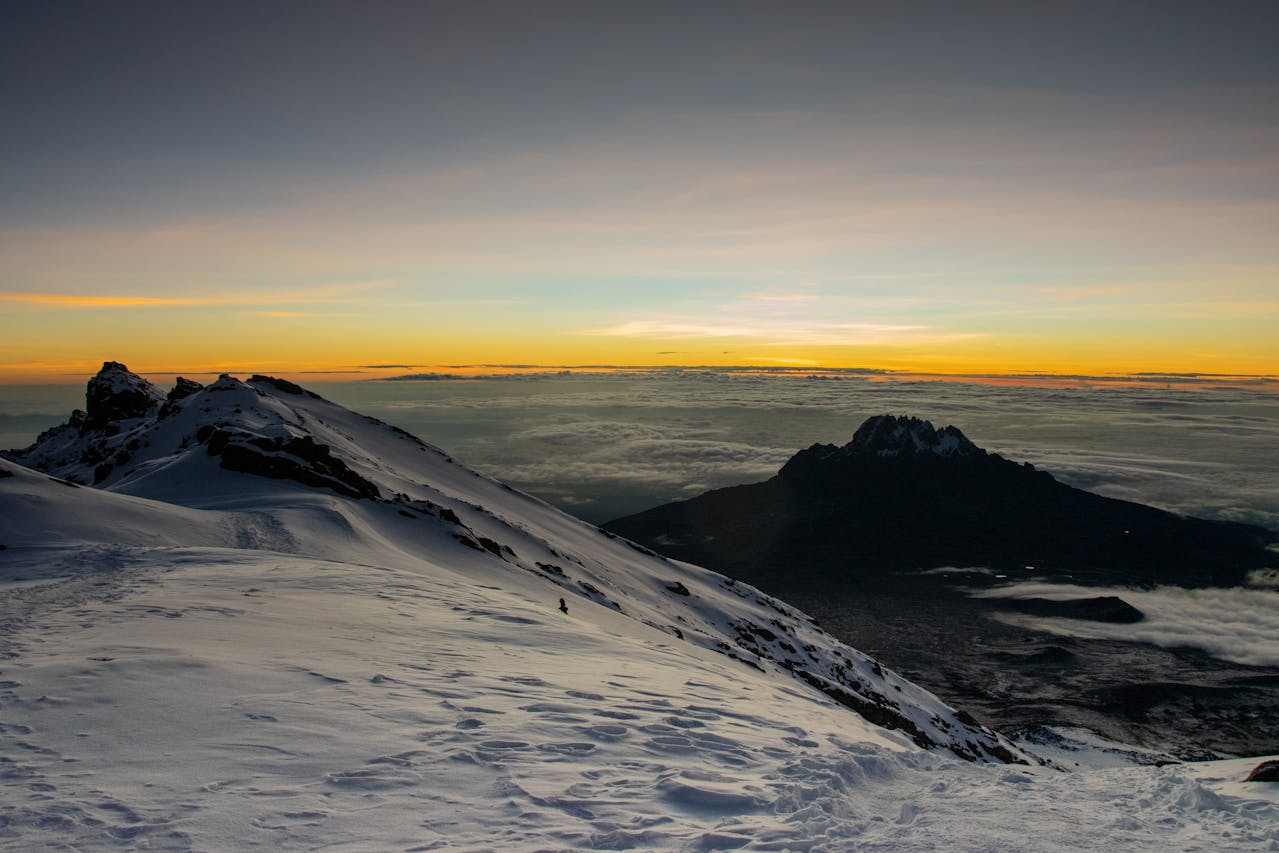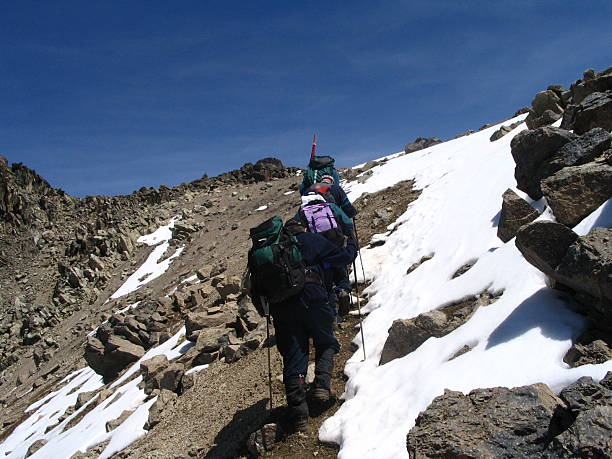

The question “What is the best route to climb Kilimanjaro?” does not have one answer that applies to every traveler.
Mount Kilimanjaro has several established trekking routes, and each provides a different combination of duration, scenery, accommodation, trail structure and approach to high altitude.
Machame offers a varied southern-circuit itinerary, Lemosho begins on the western side, Marangu uses mountain huts, Rongai approaches from the north, and the Northern Circuit follows a longer traverse around additional parts of the mountain.
Comparing these differences is more useful than choosing a route only because it is described as easy, scenic or popular.
Compare the Main Kilimanjaro Routes
Machame begins on the southwestern side and crosses Shira Plateau before continuing through Lava Tower, Barranco, Karanga and Barafu.
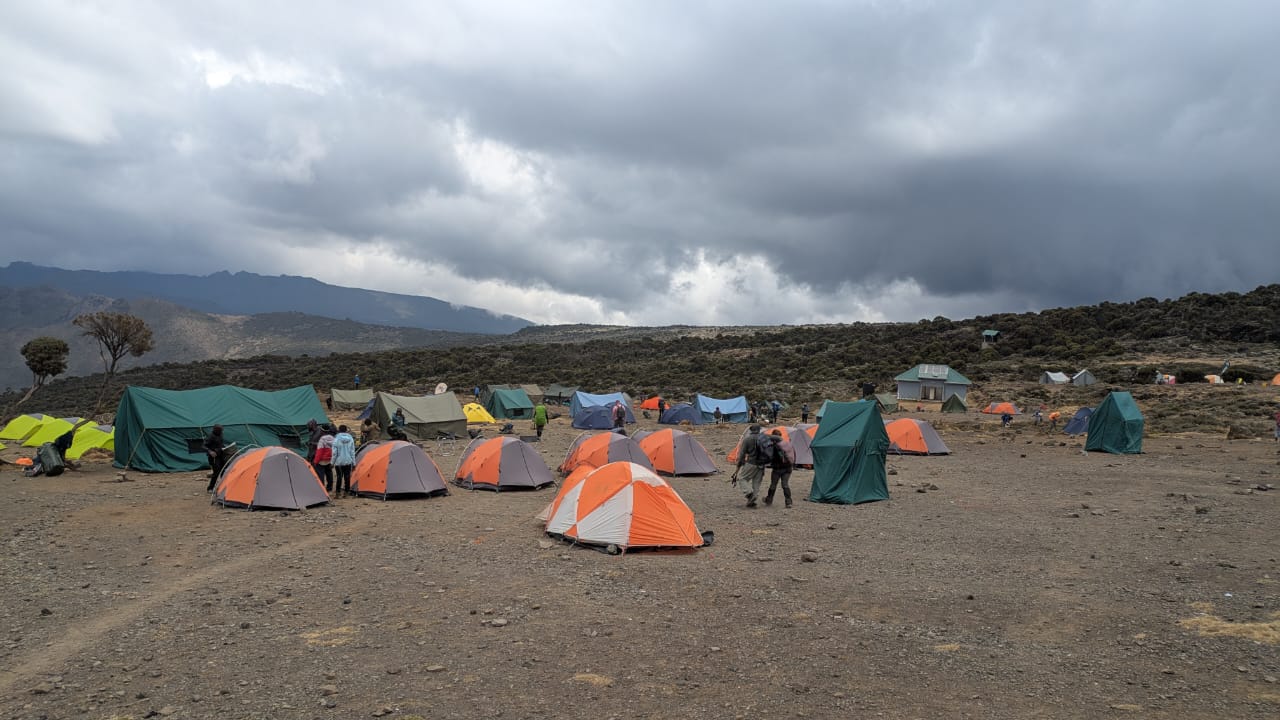
- Mountain camping
- Shira Plateau
- Lava Tower
- Barranco Wall
- Karanga and Barafu
- Mweka descent
Lemosho begins on the western side of Kilimanjaro and crosses the Shira Plateau before joining the southern circuit.
- Western approach
- Mountain camping
- Shira Plateau
- Lava Tower
- Barranco Wall
- Longer itinerary options
Marangu follows the southeastern side through Mandara, Horombo and Kibo and is the main standard route using mountain huts.
- Established mountain huts
- Mandara Hut
- Horombo Hut
- Kibo Hut
- Gilman's Point
- Same general side used for descent
Rongai approaches Kilimanjaro from the north before continuing toward the Kibo summit area.
- Northern approach
- Mountain camping
- Different early-route scenery
- Kibo summit area
- Uhuru Peak objective
- Descent commonly toward Marangu
The Northern Circuit extends around additional sections of Kilimanjaro and generally requires more mountain days than the shorter route options.
- Extended mountain itinerary
- Camping accommodation
- Northern traverse
- Additional mountain days
- Longer expedition logistics
- High-altitude summit stage
A traveler with eight days available may choose differently from a traveler who prefers huts or has only six trekking days.
- Available travel days
- Camping or huts
- Preferred starting side
- Daily trekking schedule
- Private or joining departure
- Overall package budget
Kilimanjaro Route Comparison Table
| Route | Common Duration | Accommodation | Approach | Typical Use |
|---|---|---|---|---|
| Machame | 6-7 days | Camping | Southwestern | Travelers interested in a varied southern-circuit itinerary. |
| Lemosho | 7-8 days | Camping | Western | Travelers with additional days for a longer western approach. |
| Marangu | 5-6 days | Mountain huts | Southeastern | Travelers who prefer hut accommodation. |
| Rongai | 6-7 days | Camping | Northern | Travelers interested in a northern ascent. |
| Northern Circuit | Longer itinerary | Camping | Western / northern traverse | Travelers with more time for an extended route. |
Machame Route
Machame is one of Kilimanjaro's established camping routes and normally operates as a six-day or seven-day itinerary.
The trail passes through different ecological zones before crossing Shira Plateau and continuing toward Lava Tower.
A common itinerary then descends toward Barranco, crosses Barranco Wall and continues through Karanga and Barafu before the summit stage.
The seven-day configuration normally includes a separate Karanga overnight, while the six-day itinerary follows a more compressed schedule.
Lemosho Route
Lemosho begins on the western side of Kilimanjaro and commonly runs for seven or eight trekking days.
The early route crosses rainforest and Shira Plateau before connecting with the southern circuit used by Machame.
A common eight-day configuration separates the early Shira stages, providing additional mountain time before Lava Tower, Barranco, Karanga and Barafu.
Marangu Route
Marangu differs from Kilimanjaro's main camping routes because climbers stay in established huts.
Common overnight locations include Mandara Hut, Horombo Hut and Kibo Hut.
The five-day version follows a more compressed program, while the six-day configuration normally includes an additional acclimatization day based at Horombo.
Rongai Route
Rongai approaches Kilimanjaro from the northern side and normally uses camping during the ascent.
This creates a different early-route experience from Machame, Lemosho and Marangu.
The itinerary eventually approaches the Kibo summit area before the final ascent, with descent commonly following the Marangu side.
Northern Circuit
The Northern Circuit is a longer Kilimanjaro itinerary that extends across additional sections of the mountain.
Because the route requires more trekking days, it also requires additional mountain meals, accommodation, crew time and logistical support.
It can be considered by travelers who have more days available and want a longer expedition structure.
There Is No Universal “Best” Kilimanjaro Route
Route selection should be based on the traveler's priorities rather than a single ranking.
- Choose according to the number of trekking days available.
- Decide whether you prefer camping or hut accommodation.
- Compare daily altitude progression.
- Review approximate trekking distances and walking times.
- Consider the overall package cost.
- Compare private and group-joining arrangements.
- Consider pre-climb and post-climb travel plans.
Which Route Has Mountain Huts?
Marangu Route
Marangu is the main standard Kilimanjaro route using established mountain huts for overnight accommodation.
This can be an important factor for travelers who do not want to sleep in camping tents during the climb.
Camping Routes
Machame, Lemosho, Rongai and Northern Circuit normally use tents at designated mountain camps.
Camping equipment and expedition logistics are organized according to the confirmed package.
Which Route Has Barranco Wall?
Common Machame and Lemosho itineraries include Barranco Wall after the route reaches Barranco Camp.
Barranco Wall is generally treated as a steep trekking and scrambling section rather than technical rock climbing. Climbers may use their hands for balance at certain points and should follow their guide's instructions.
Marangu and Rongai do not use Barranco Wall on their standard itineraries.
Shorter vs Longer Kilimanjaro Routes
| Feature | Shorter Itinerary | Longer Itinerary |
|---|---|---|
| Mountain Days | Fewer days | Additional mountain days |
| Schedule | More compressed | Can divide trekking into additional stages |
| Meals & Crew Days | Fewer operating days | Additional operating days |
| Package Cost | Typically fewer mountain operating days | Additional mountain services increase operating costs |
| Altitude | Very high altitude still required | Very high altitude still required |
| Summit Guarantee | No guarantee | No guarantee |
Route Options by Available Trekking Days
| Available Days | Common Route Options | Planning Information |
|---|---|---|
| 5 Days | Marangu | A more compressed mountain schedule. |
| 6 Days | Machame, Marangu, Rongai | Several established route configurations are available. |
| 7 Days | Machame, Lemosho, Rongai | Additional mountain time compared with shorter alternatives. |
| 8 Days | Lemosho and selected longer routes | Allows additional route stages. |
| 9+ Days | Northern Circuit and extended programs | Longer expedition structure with additional mountain days. |
Private Kilimanjaro Route vs Group Joining
| Feature | Private Climb | Group Joining |
|---|---|---|
| Participants | Your own travel party | Travelers from separate bookings |
| Starting Date | Usually planned around your preferred dates | Follows a confirmed scheduled departure |
| Route | Selected during private trip planning | Must match the scheduled route |
| Itinerary Length | Selected before booking | Follows the confirmed group itinerary |
| Typical Use | Solo private travelers, couples, families and groups | Solo travelers and small parties with compatible dates |
What Affects Kilimanjaro Route Price?
| Cost Factor | How It Affects the Package |
|---|---|
| Route Duration | Longer routes require additional mountain operating days. |
| Group Size | Selected fixed expenses can be distributed among multiple participants, while crew requirements can also change. |
| Accommodation | Marangu uses huts while most other standard routes use mountain camping. |
| Hotels | Hotel category and number of nights before and after the climb affect the complete package. |
| Transfers | Airport and mountain-gate transportation can be included according to the selected arrangement. |
| Equipment Rental | Personal trekking gear rental creates additional costs when needed. |
Altitude and Route Selection
Every summit route eventually reaches very high altitude, with Uhuru Peak standing at 5,895 meters.
Longer itineraries can provide additional time for gradual altitude progression, but they do not guarantee successful acclimatization.
Climbers should follow the guide team's pace and instructions and promptly report concerning symptoms.
Travel Insurance for Kilimanjaro
Travelers should verify that their policy covers high-altitude trekking and emergency evacuation at the elevations relevant to their itinerary; confirm terms directly with the insurer.
Typical Kilimanjaro Climbing Seasons
| Travel Period | Typical Seasonal Pattern | Route Planning |
|---|---|---|
| January - February | Often relatively favorable for trekking. | Confirm preferred route and departure availability. |
| March - May | Greater possibility of rainfall and wetter trails. | Waterproof preparation becomes particularly important. |
| June - October | Generally drier and frequently requested. | Some departure periods may require earlier confirmation. |
| November | Short-rain conditions may occur. | Trail and weather conditions remain variable. |
| December | Variable conditions during the holiday travel period. | Travel arrangements may require earlier planning. |
Best Route to Climb Kilimanjaro FAQs
What is the best route to climb Kilimanjaro?
There is no single route that is ideal for every traveler. The most suitable route depends on trekking duration, accommodation preference, available travel time, route structure and personal priorities.
Which Kilimanjaro route has a longer western approach?
Lemosho approaches from the western side and commonly operates as a seven-day or eight-day itinerary.
Which Kilimanjaro route uses mountain huts?
Marangu is the main standard Kilimanjaro route using established mountain huts.
Which routes use camping?
Machame, Lemosho, Rongai and Northern Circuit normally use mountain camping.
Which routes include Barranco Wall?
Barranco Wall is a common feature of standard Machame and Lemosho itineraries.
Which route approaches Kilimanjaro from the north?
Rongai uses a northern approach, while the Northern Circuit also covers additional sections on the northern side during its longer traverse.
Is the shortest route automatically the easiest?
No. Shorter itineraries normally compress the climb into fewer mountain days, and all summit routes involve very high altitude.
Does a longer route guarantee acclimatization?
No. A longer itinerary provides additional mountain time, but individual altitude response varies and successful acclimatization cannot be guaranteed.
Which route is commonly used for a 7-day Kilimanjaro climb?
Common seven-day options include Machame, Lemosho and Rongai, depending on the specific itinerary configuration.
Which route is commonly used for an 8-day climb?
Eight-day Lemosho is a common longer configuration, while other extended Kilimanjaro programs are also possible.
Can I book any Kilimanjaro route privately?
Private climbs can be arranged on the major Kilimanjaro routes according to dates, itinerary and operational availability.
Can I join a Kilimanjaro group?
Selected scheduled group departures may be available depending on route, dates and current availability.
How much does a Kilimanjaro route cost?
Price depends on route, trekking duration, participant numbers, private or group-joining arrangement, accommodation, transfers and additional services.
What insurance should I check for Kilimanjaro?
Travelers should verify that their policy covers high-altitude trekking and emergency evacuation at the elevations relevant to their itinerary; confirm terms directly with the insurer.
Can Kilimanjaro be combined with a safari?
Yes. A Tanzania safari can be arranged before or after the mountain according to the available travel schedule.
Can Zanzibar be added after Kilimanjaro?
Yes. Zanzibar can be added directly after Kilimanjaro or after a Tanzania safari.
Choose Your Kilimanjaro Route
Send Epic Summit Safaris your preferred travel dates, number of trekking days, group size and whether you prefer camping or hut accommodation. We can prepare a private quotation or check suitable scheduled group departures.
.png)
.png)