
The 6 Days Marangu Route Kilimanjaro Budget Climb is one of the most practical Kilimanjaro trekking options for travelers who want to control overall trip costs without removing the important services required for a safe and organized mountain expedition.
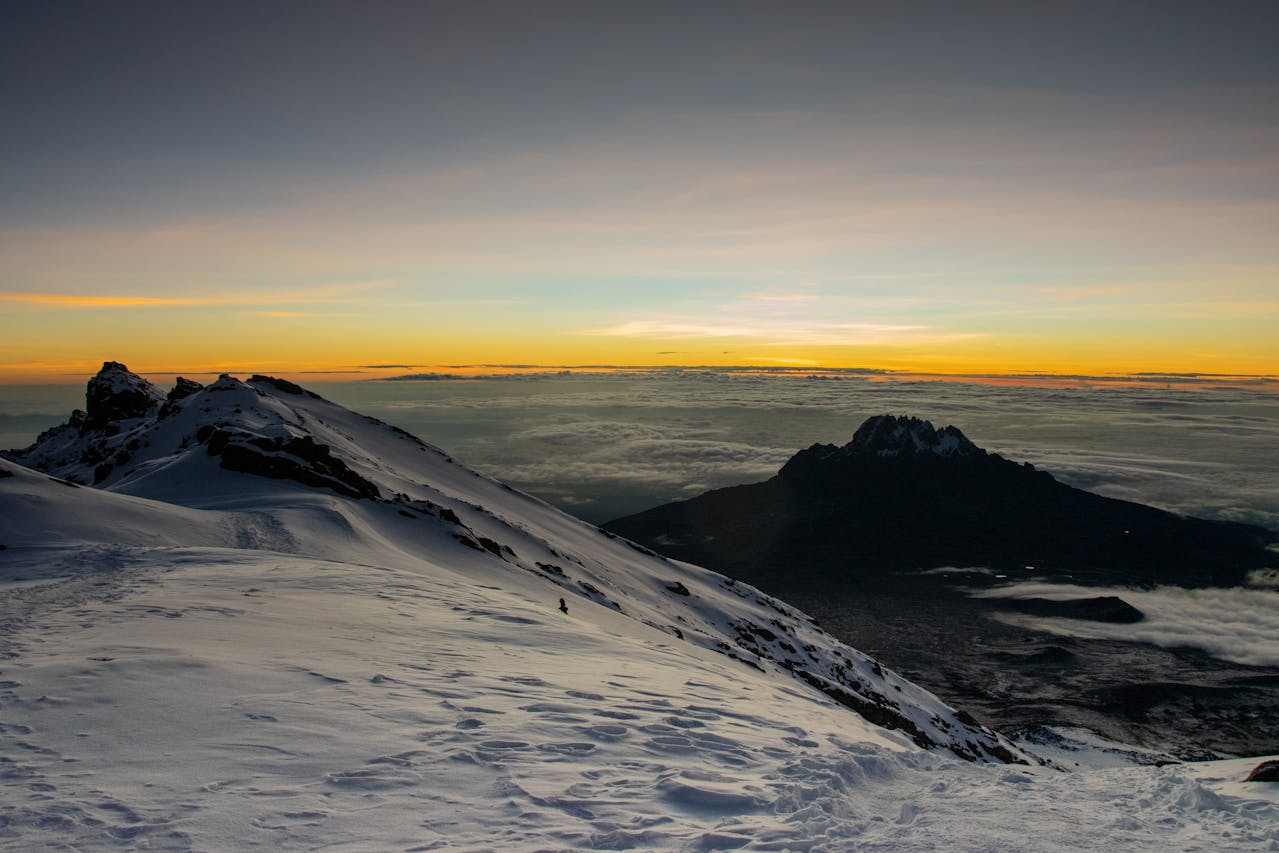
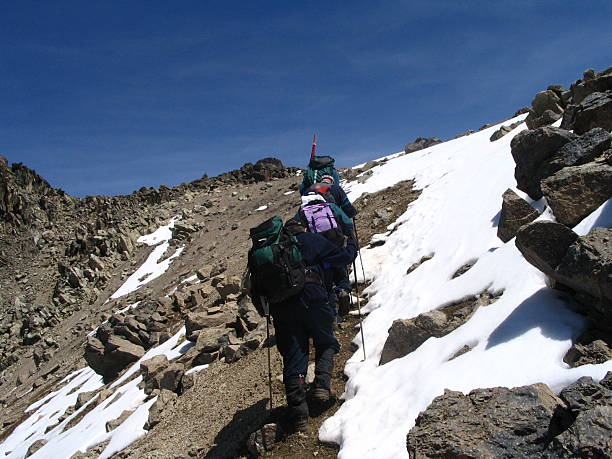
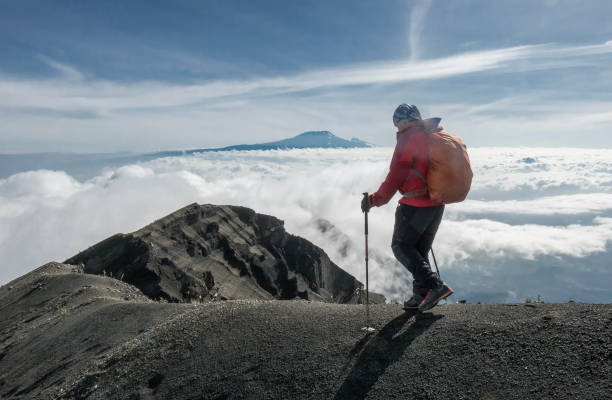
Marangu Route approaches Kilimanjaro from the southeastern side of the mountain. The trail starts inside tropical rainforest at Marangu Gate before gradually climbing toward Mandara Hut, Horombo Hut and Kibo Hut. From Kibo Hut, climbers begin the demanding nighttime summit ascent toward Gilman's Point and continue around the crater rim toward Uhuru Peak.
One important advantage of the six-day option is the additional acclimatization day around Horombo. This gives climbers more time to adapt to increasing altitude before moving toward Kibo Hut. Proper acclimatization, slow pacing, hydration and following the guide's instructions remain important throughout the climb.
6 Days Marangu Route Kilimanjaro Climbing Route
6 Days Marangu Route Kilimanjaro Budget Climb Cost
Kilimanjaro climbing prices vary according to the number of climbers, travel period, hotel arrangements, equipment rental, transportation requirements and any additional services requested before or after the mountain trek.
The following figures may be used as an example budget planning structure. Final confirmed prices should always follow the quotation or invoice issued by Epic Summit Safaris.
Solo climbs generally cost more because guide, transportation and operational expenses are not shared.
Groups of two to four climbers normally share several operational costs.
Joining scheduled departure dates may help reduce the per-person climbing cost.
| Group Size | Budget Level | Typical Cost Structure | Recommended For |
|---|---|---|---|
| 1 Climber | Highest per-person cost | Private guide team and private logistics | Solo travelers wanting a private climb |
| 2 Climbers | Lower per person | Shared guide and transport expenses | Couples and friends |
| 3–4 Climbers | Good budget value | More operational costs shared between climbers | Small private groups |
| 5–8 Climbers | Competitive group cost | Group logistics divided across more climbers | Families, friends and trekking groups |
| Group Joining | Budget-focused | Climbers share selected departure logistics | Solo travelers and budget trekkers |
What Determines the Marangu Route Budget Climb Cost?
| Cost Component | What It Covers | Effect on Total Price |
|---|---|---|
| Kilimanjaro Park Fees | Entry, conservation, hut and related official mountain charges. | Major fixed component of climbing cost. |
| Mountain Crew | Guides, assistant guides, cooks and porters. | Depends partly on group size and required crew. |
| Mountain Meals | Breakfast, lunch, dinner and drinking-water arrangements during the climb. | Included in most organized climbing packages. |
| Transfers | Transport between hotel and Marangu Gate. | Shared transfers may reduce individual cost. |
| Hotel Accommodation | Pre-climb or post-climb hotel nights. | Depends on hotel category and number of nights. |
| Equipment Rental | Sleeping bag, poles, jackets and other personal mountain equipment. | Added only when required. |
| Group Size | Number of climbers sharing logistics. | Larger groups can lower some per-person expenses. |
Marangu Route Altitude and Daily Trekking Profile
| Day | Route | Approx. Altitude | Main Environment |
|---|---|---|---|
| Day 1 | Marangu Gate → Mandara Hut | 1,860 m → 2,720 m | Montane rainforest |
| Day 2 | Mandara Hut → Horombo Hut | 2,720 m → 3,720 m | Rainforest to moorland |
| Day 3 | Horombo Acclimatization | Around 3,720 m+ | Moorland / alpine zone |
| Day 4 | Horombo Hut → Kibo Hut | 3,720 m → 4,700 m | Alpine desert |
| Day 5 | Kibo → Uhuru Peak → Horombo | 4,700 m → 5,895 m → 3,720 m | Summit zone / descent |
| Day 6 | Horombo → Marangu Gate | 3,720 m → 1,860 m | Moorland and rainforest |
6 Days Marangu Route Kilimanjaro Detailed Itinerary
Marangu Gate to Mandara Hut
After breakfast at your hotel, you meet the Epic Summit Safaris mountain team and travel toward Marangu Gate on the southeastern side of Mount Kilimanjaro. The drive offers the first opportunity to see local villages, cultivated farmland and the green lower slopes of the mountain.
At Marangu Gate, your guide completes registration procedures while the support crew organizes equipment, food and porter loads. Once park formalities are complete, the trek begins through Kilimanjaro's montane rainforest.
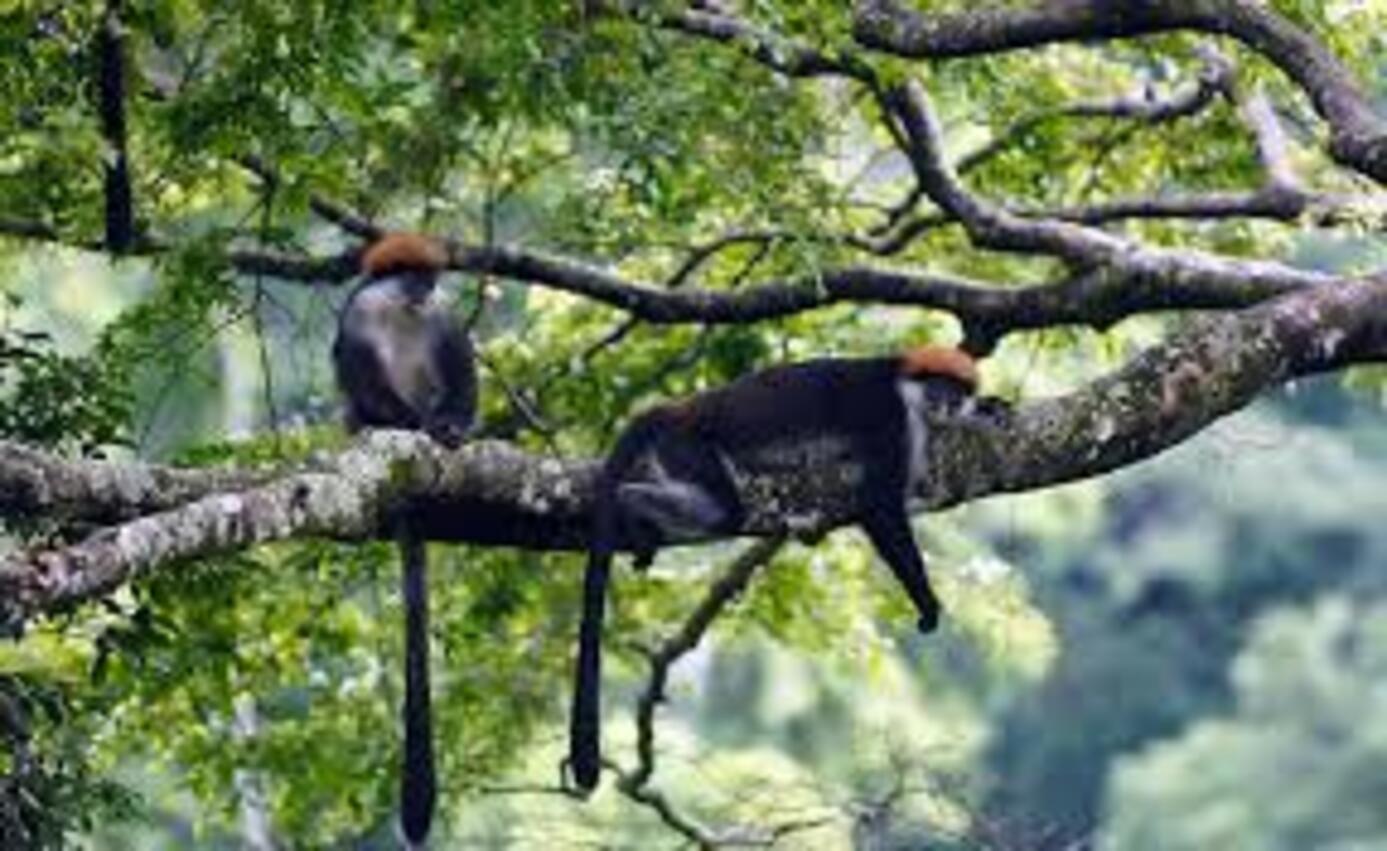
This section is often humid and can receive rainfall at different times of the year. The trail passes beneath a dense forest canopy containing mosses, ferns and tall trees. Depending on conditions, you may hear or sometimes see birds and monkeys along the route.
The trail gradually gains altitude before reaching Mandara Hut at approximately 2,720 meters. After arriving, you have time to rest, organize your sleeping area and prepare for the following day's climb toward Horombo.
Mandara Hut to Horombo Hut
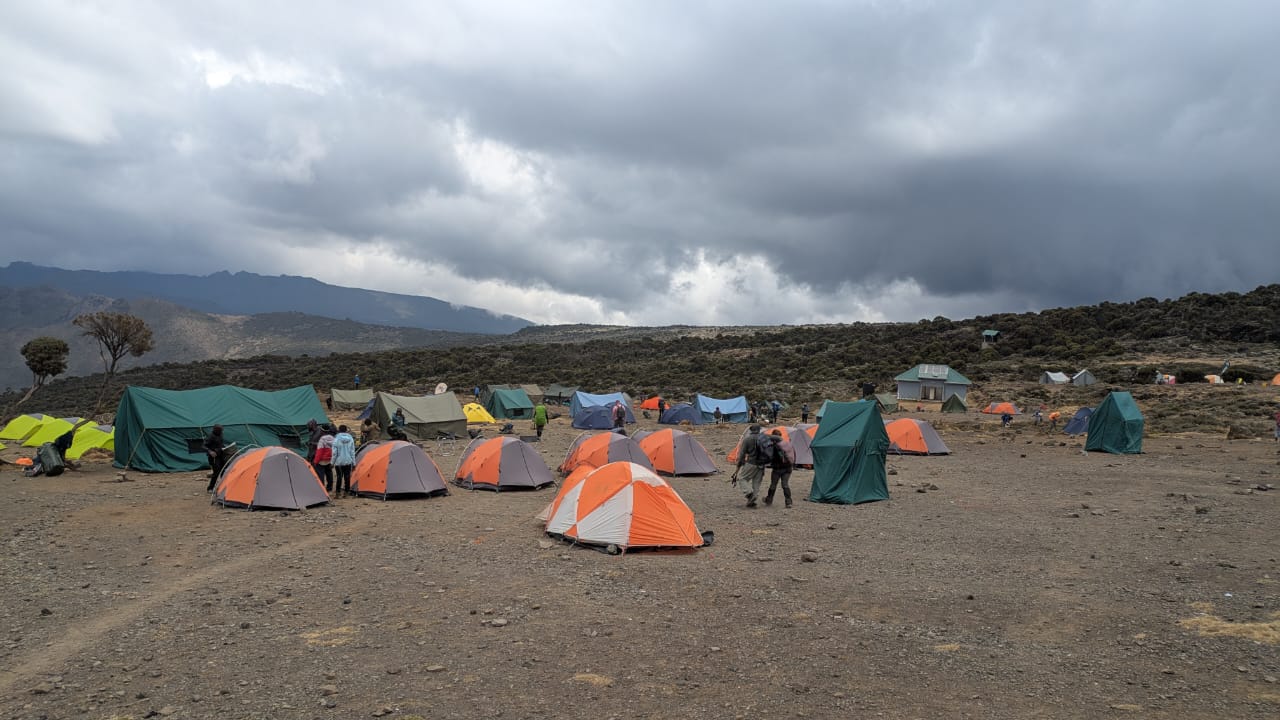
After breakfast, the trail leaves the dense rainforest behind and moves into Kilimanjaro's open moorland zone. Vegetation becomes shorter and views open toward the surrounding landscape.
On clear days, climbers may begin seeing the slopes of Kibo and Mawenzi. The trekking pace remains controlled because the body is beginning to experience noticeably higher altitude.
The route continues gradually upward across open terrain toward Horombo Hut at approximately 3,720 meters. Horombo is an important acclimatization point used by both ascending and descending climbers.
After reaching the hut, your guide monitors how you are responding to altitude and provides instructions for hydration, meals and the next day's acclimatization program.
Horombo Hut Acclimatization Day
Day three is one of the main reasons many climbers select the six-day Marangu Route instead of the shorter five-day itinerary. Rather than continuing directly toward Kibo Hut, the group spends additional time around Horombo to support altitude acclimatization.
Your guide may organize an acclimatization hike toward higher terrain before returning to Horombo Hut. The idea behind the hike is to expose the body to a higher altitude while sleeping lower at Horombo.
The exact acclimatization walk depends on weather, trail conditions, the group's pace and guide assessment. During this day, climbers should continue drinking enough water, eating properly and communicating any unusual symptoms to the guide.
The afternoon is normally used for rest and preparation before moving into the drier alpine environment between Horombo and Kibo.
Horombo Hut to Kibo Hut
After breakfast, the trek continues above the main moorland vegetation and toward Kilimanjaro's alpine desert. The landscape becomes increasingly dry and exposed as the trail crosses the broad saddle between Kibo and Mawenzi.
Vegetation becomes limited and temperatures can vary significantly depending on cloud cover and wind. The pace should remain slow because climbers are now trekking above 4,000 meters.
Eventually the route reaches Kibo Hut at approximately 4,700 meters. After arrival, climbers normally eat, organize summit clothing and equipment and receive a detailed briefing from the lead guide.
Rest is especially important because the summit attempt usually begins late at night or around midnight. Headlamps, insulated clothing, gloves, water and other summit essentials should be prepared before sleeping.
Kibo Hut to Uhuru Peak and Down to Horombo Hut
Summit day is the longest and most demanding stage of the six-day Marangu Route. Climbers wake during the night, prepare warm clothing and begin ascending slowly under headlamp light.
The route rises steeply toward the crater rim. Progress is deliberately slow to conserve energy and support acclimatization. Your guides monitor the group closely and may adjust the pace according to conditions.
Reaching Gilman's Point at approximately 5,685 meters is a major milestone. From there, climbers who are able to continue follow the crater rim toward Stella Point and finally Uhuru Peak at 5,895 meters.
Uhuru Peak is the highest point on Mount Kilimanjaro and the highest point in Africa. Weather, temperature and visibility can change quickly, so summit time is normally controlled by the guides.
After summit photographs and a short stop, the group begins the long descent. Climbers return toward Kibo Hut for a brief rest before continuing farther down to Horombo Hut. The large altitude loss makes this an especially long day.
Horombo Hut to Marangu Gate
The final trekking day begins after breakfast at Horombo. The route descends through the moorland zone toward Mandara Hut before re-entering the dense rainforest.
Although the trail is mostly downhill, climbers should continue walking carefully because tired legs and long descents can place additional pressure on the knees. Trekking poles can be useful.
On arrival at Marangu Gate, the group completes the final park procedures and meets the transfer vehicle. Depending on arrangements, successful climbers may receive summit certificates before returning to the hotel.
The mountain journey officially finishes at the gate, followed by transfer to Moshi, Arusha or another agreed location according to the confirmed booking.
Why Choose the 6-Day Marangu Route Instead of 5 Days?
The additional day is mainly valuable because it provides more acclimatization time around Horombo Hut before climbers move toward Kibo Hut.
- More gradual acclimatization schedule.
- Additional time to recover before higher altitude.
- Better preparation before Kibo Hut and summit night.
- Opportunity for an acclimatization hike from Horombo.
- Less rushed itinerary compared with the five-day option.
6 Days Marangu Route Budget Package Inclusions
Normally Included
- Professional Kilimanjaro mountain guides
- Assistant guides according to group size
- Mountain cooks and porters
- Kilimanjaro National Park fees
- Marangu mountain hut accommodation
- Meals during the mountain trek
- Drinking-water arrangements on the mountain
- Transfers to and from Marangu Gate
- Emergency mountain support arrangements
- Pre-climb briefing
- Government taxes applicable to included services
Normally Excluded
- International and domestic flights
- Tanzania visa fees
- Travel and high-altitude insurance
- Personal climbing equipment
- Equipment rental where required
- Tips for mountain crew
- Personal drinks and snacks
- Laundry and personal expenses
- Additional hotel nights
- Optional tours before or after the climb
- Services not listed in the final booking confirmation
How to Reduce the Cost of a Marangu Kilimanjaro Climb
Choosing a budget package does not necessarily mean removing important safety services. Cost savings should come mainly from sharing logistics, choosing suitable accommodation and avoiding unnecessary extras.
| Budget Strategy | Possible Saving | Important Consideration |
|---|---|---|
| Join a Group | Share selected operating expenses. | Check group departure dates. |
| Bring Your Own Gear | Avoid some rental charges. | Gear should be appropriate for Kilimanjaro. |
| Use Standard Hotels | Reduce pre/post climb accommodation cost. | Location and comfort should still be practical. |
| Book One Complete Package | Simplifies transport and climb logistics. | Compare exactly what is included. |
| Avoid Unnecessary Extras | Keep package focused on essential climb services. | Do not remove safety-related services. |
Marangu Route Mountain Hut Accommodation
Marangu Route differs from most Kilimanjaro routes because overnight accommodation is provided in mountain huts rather than tents. This can be attractive to climbers who prefer sleeping indoors and want to avoid camping for several nights.
| Mountain Hut | Approx. Elevation | Main Use |
|---|---|---|
| Mandara Hut | 2,720 m | First overnight stop after the rainforest trek. |
| Horombo Hut | 3,720 m | Overnight stop and acclimatization base. |
| Kibo Hut | 4,700 m | Final high camp before the summit attempt. |
Best Time for a 6 Days Marangu Route Kilimanjaro Climb
Kilimanjaro can be climbed during much of the year, but weather conditions vary considerably by season. Climbers often prefer the generally drier periods because trails may be easier to manage and visibility can improve.
| Period | General Conditions | Planning Notes |
|---|---|---|
| January – February | Often relatively dry with good climbing periods. | Popular Kilimanjaro climbing season. |
| March – May | Higher chance of rain and wet trails. | Fewer climbers but wetter conditions possible. |
| June – October | Commonly selected dry-season period. | Popular dates can be busier. |
| November | Short rains may occur. | Conditions vary from year to year. |
| December | Variable weather with festive-season demand. | Early booking can be useful. |
Important Equipment for the Marangu Route
Although climbers sleep in huts, proper high-altitude equipment is still necessary. Summit temperatures can be very cold and weather can change quickly.
- Waterproof hiking boots
- Warm insulated summit jacket
- Waterproof jacket and trousers
- Thermal base layers
- Fleece or warm mid-layer
- Warm gloves or mittens
- Warm hat and neck protection
- UV-protection sunglasses
- Headlamp with spare batteries
- Trekking poles
- Sleeping bag suitable for cold mountain conditions
- Daypack for personal daily items
- Water bottles or hydration system
- Sunscreen and lip protection
Altitude and Safety on the Marangu Route
Kilimanjaro is a high-altitude mountain. Reaching Uhuru Peak requires the body to adapt to reduced oxygen levels as elevation increases. The six-day itinerary gives additional acclimatization time compared with the shorter five-day Marangu option, but no itinerary completely removes altitude risk.
Climbers should walk slowly, drink enough water, eat properly and communicate openly with the mountain guide. Headache, nausea, unusual weakness or other symptoms should not be hidden from the guide.
The lead guide is responsible for monitoring the group and may make decisions based on weather, mountain conditions, pace and health considerations.
Who Should Choose the 6-Day Marangu Budget Climb?
Good Choice For
- First-time Kilimanjaro climbers
- Travelers preferring huts instead of tents
- Climbers looking for a lower-cost route
- Solo travelers joining scheduled groups
- Couples or small groups
- Travelers wanting an extra acclimatization day
Consider Another Route If You Want
- A longer acclimatization itinerary
- More varied scenery
- A camping-based wilderness experience
- Less use of the same trail for descent
- Longer 7–9 day climbing schedules
Frequently Asked Questions
How much does a 6 Days Marangu Route Kilimanjaro climb cost?
The final price depends on the number of climbers, departure date, hotel arrangements, transfers, equipment rental and package inclusions. Ask Epic Summit Safaris for the current quote for your preferred date.
Is the Marangu Route the cheapest Kilimanjaro route?
Marangu is commonly chosen by budget-conscious climbers because it uses established mountain huts and can be completed in fewer days than several other Kilimanjaro routes. Final prices still depend on package structure and group size.
Is six days better than five days on Marangu?
The six-day itinerary includes additional acclimatization time at Horombo, which gives climbers more time at altitude before moving toward Kibo Hut.
Do I sleep in tents on the Marangu Route?
No. Marangu Route is known for mountain hut accommodation at Mandara, Horombo and Kibo.
What is the highest point of the climb?
The objective is Uhuru Peak at approximately 5,895 meters above sea level, the highest point in Africa.
Is Marangu Route suitable for beginners?
It can be suitable for fit first-time trekkers with proper preparation, realistic pacing and appropriate acclimatization. Kilimanjaro remains a strenuous high-altitude climb.
Can I join other climbers to reduce the price?
Yes. Scheduled group-joining departures may help reduce some shared operating costs. Availability depends on travel dates.
Are tips included in the Kilimanjaro package price?
Crew tips are normally treated separately from the climbing package unless specifically stated in your final booking confirmation.
Do I need travel insurance?
Climbers should have travel insurance suitable for high-altitude trekking and emergency evacuation. Check the altitude limits and exclusions of your insurance policy before traveling.
Book Your 6 Days Marangu Route Kilimanjaro Budget Climb
Epic Summit Safaris can organize your six-day Marangu Route climb as a private trek or help you check available group-joining departures. Tell us your preferred climbing date, number of travelers and required services so we can prepare the appropriate Kilimanjaro quotation.
Book Now
.png)
.png)