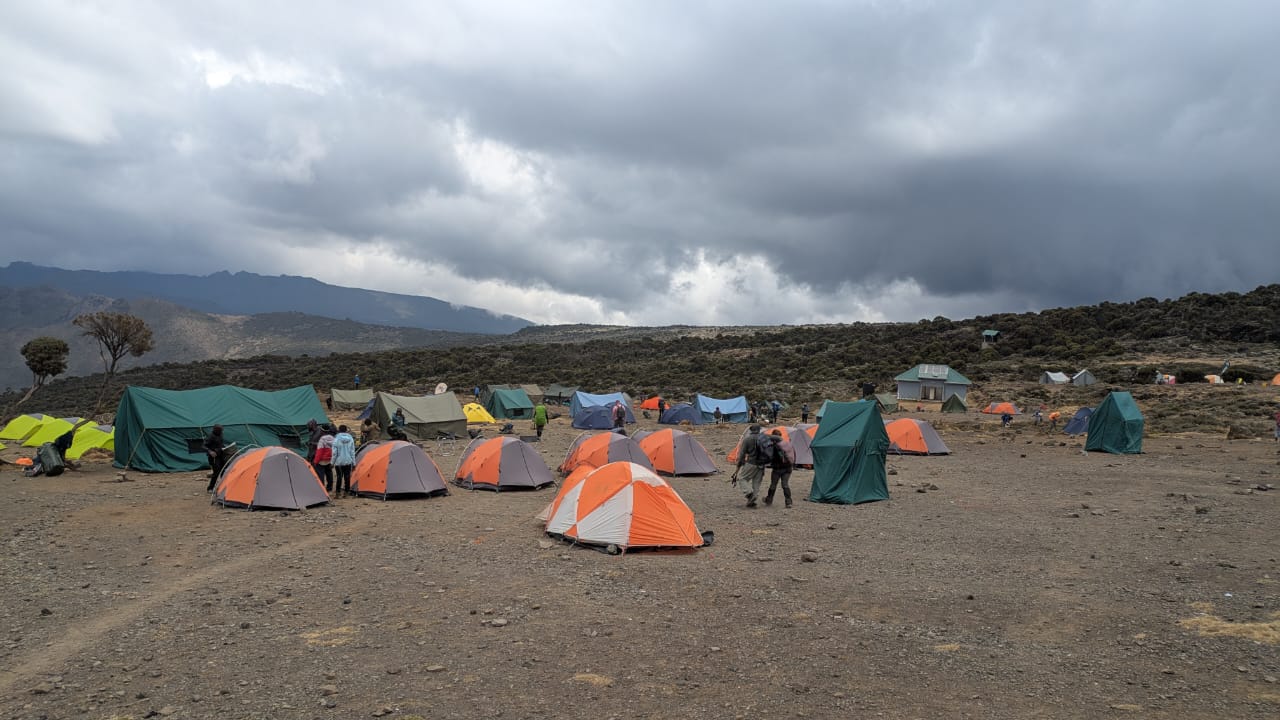
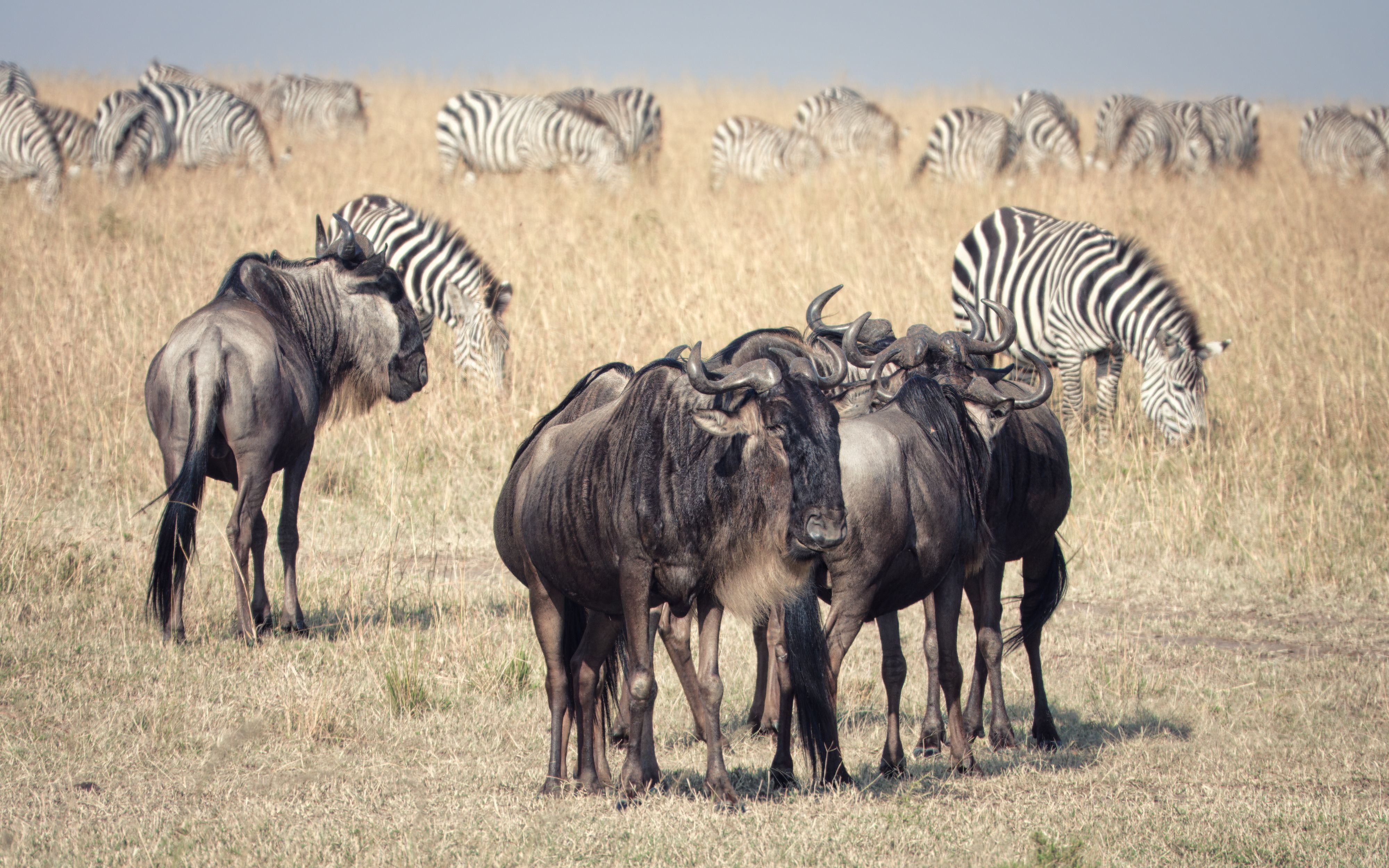
A camping safari allows travelers to spend more time close to the natural environment while keeping accommodation costs lower than many lodge-based itineraries. Campsites may be located inside or near protected areas, depending on the confirmed route and availability.
Public campsites normally provide shared toilets, showers, cooking areas, and designated tent spaces. Facilities can be basic, and water temperature, electricity, mobile signal, and charging access may be limited.
The exact itinerary may be adjusted according to weather, road conditions, wildlife movements, campsite availability, park regulations, and the travel season.
Safari Route
Camping Safari Highlights
Authentic Bush Camping
Sleep in safari tents at designated campsites and experience the sounds and atmosphere of the African wilderness.
Tarangire Elephants
Explore landscapes containing large elephant populations, ancient baobab trees, predators, antelopes, and birds.
Lake Manyara Wildlife
Discover forest, wetlands, open plains, lake habitats, monkeys, elephants, hippos, buffaloes, and birdlife.
Serengeti Game Drives
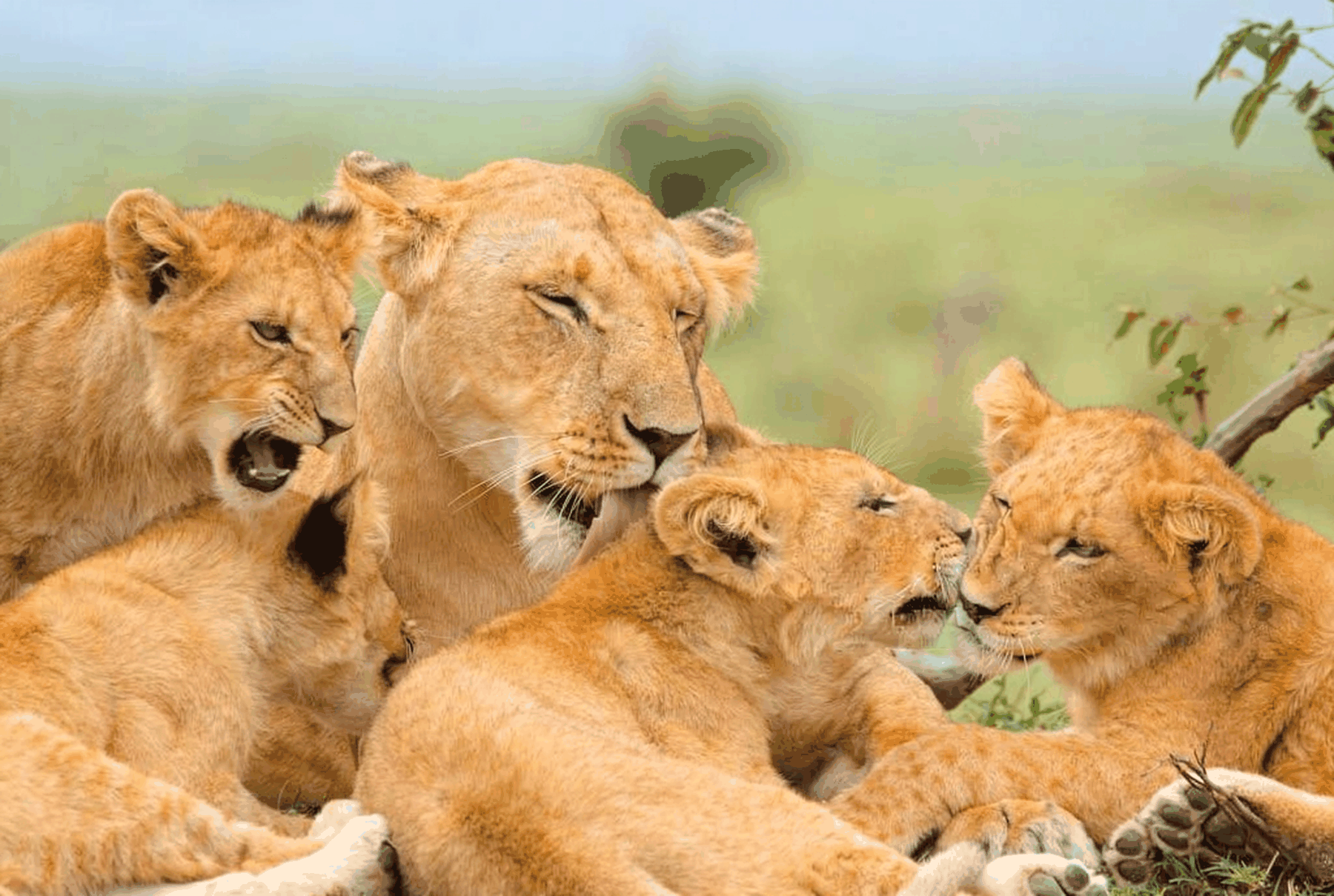
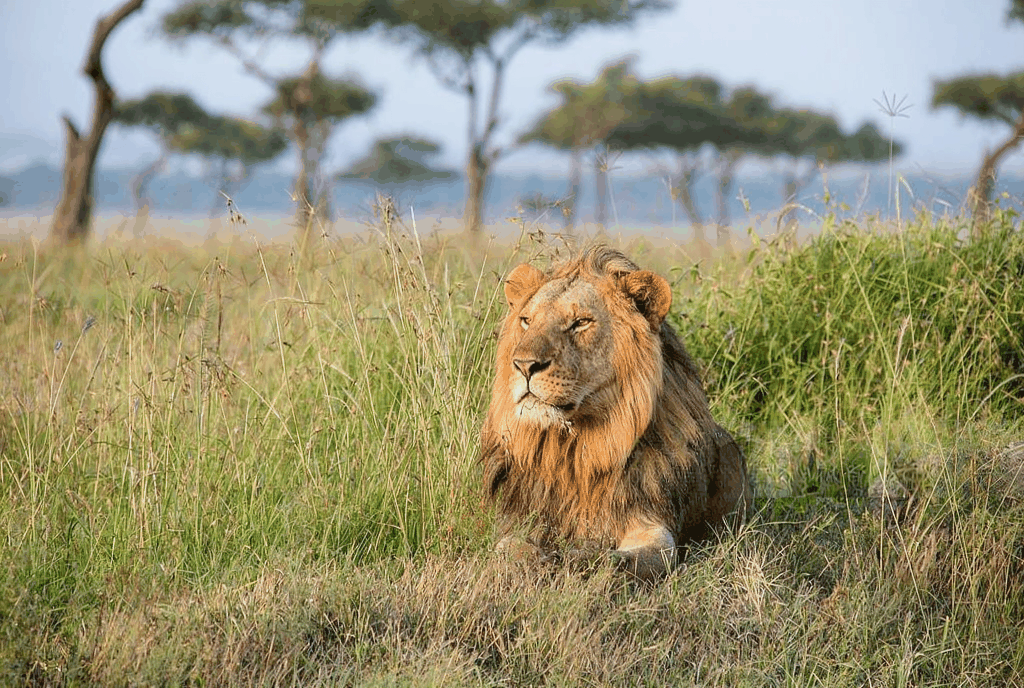
Spend several days searching for lions, leopards, cheetahs, elephants, wildebeest, zebras, giraffes, and hyenas.
Ngorongoro Crater
Descend into the crater for concentrated wildlife viewing and a possible, but never guaranteed, black rhino sighting.
Safari Cook and Guide
Travel with a professional guide and a safari cook who prepares meals and helps manage the camping arrangements.
Detailed 7-Day Tanzania Camping Safari Itinerary
Arusha to Tarangire National Park
Your professional safari guide and camping team will meet you at your hotel, residence, airport, or agreed pickup location in Arusha. After loading the safari vehicle and completing a short briefing, begin the journey toward Tarangire National Park.
Tarangire is known for large elephant populations, ancient baobab trees, seasonal wetlands, acacia woodland, open plains, and the Tarangire River. During dry periods, the river becomes an important water source for wildlife.
Begin your game drive after completing the required park procedures. Search for elephants, giraffes, buffaloes, zebras, wildebeest, impalas, waterbuck, warthogs, baboons, lions, leopards, cheetahs, hyenas, and numerous birds.
Enjoy a packed lunch inside the park and continue with an afternoon game drive. Later, travel to a designated campsite near Tarangire, Lake Manyara, or Karatu.
Your camping team will prepare dinner while tents and sleeping arrangements are organized. Enjoy your first evening at camp before retiring for the night.
Arusha – Tarangire National Park – CampsiteLake Manyara National Park Camping Safari
After an early breakfast, pack the camping equipment and travel to Lake Manyara National Park. The park lies below the Great Rift Valley escarpment and contains several habitats within a relatively compact area.
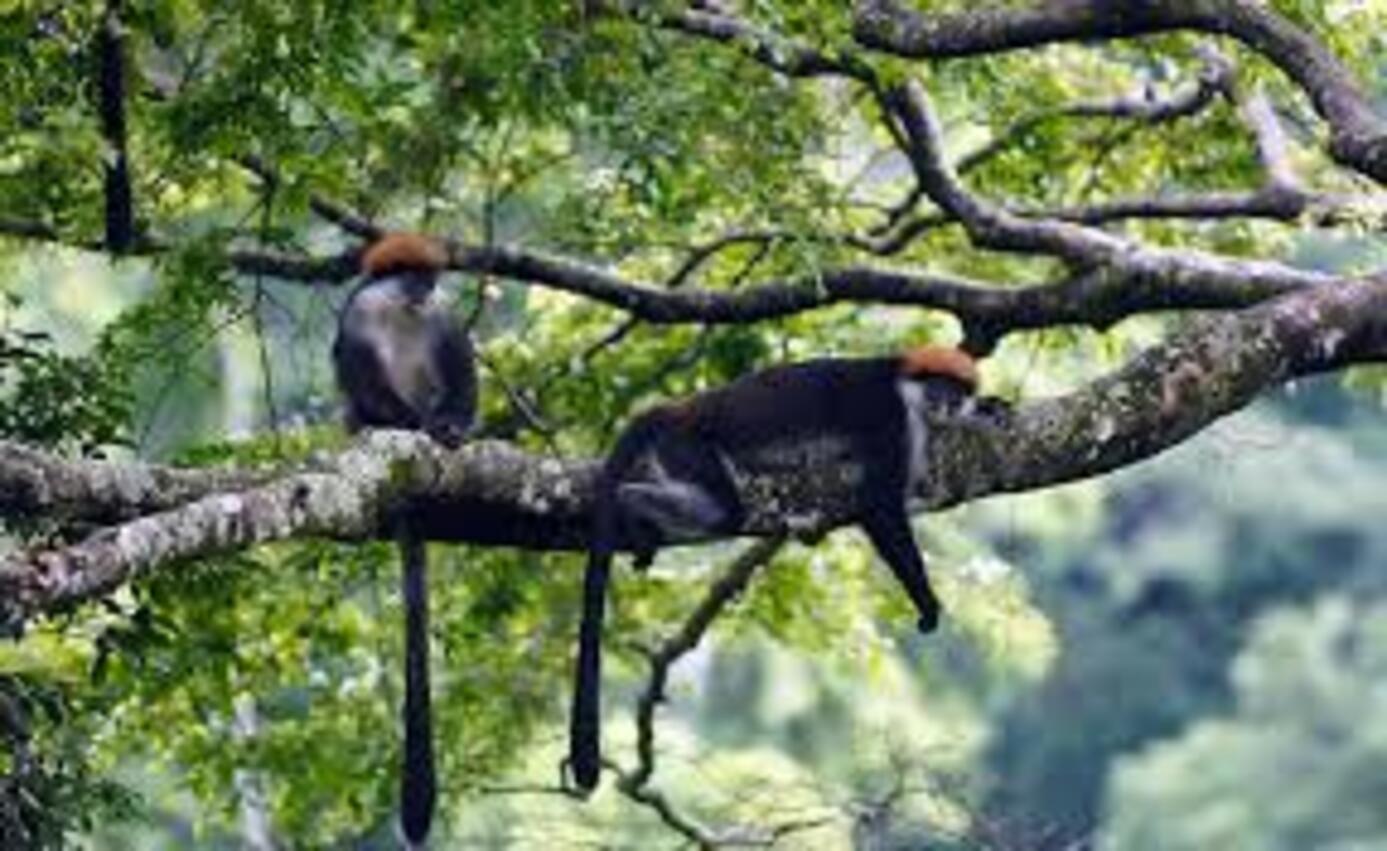
Explore groundwater forest, acacia woodland, open grasslands, wetlands, seasonal streams, and the lake-edge environment. Wildlife may include elephants, giraffes, buffaloes, zebras, impalas, hippos, warthogs, baboons, blue monkeys, vervet monkeys, and predators.
Depending on water levels and season, birdlife may include flamingos, pelicans, storks, herons, egrets, hornbills, kingfishers, raptors, and woodland species.
Enjoy lunch at an authorized picnic area and continue with an afternoon game drive. Later, return to the designated campsite in the Manyara or Karatu area.
Dinner will be prepared by the safari cook. Relax at camp and listen to the natural sounds of the surrounding area.
Campsite – Lake Manyara National Park – Karatu AreaKaratu to Serengeti National Park
After breakfast, load the camping equipment and depart toward Serengeti National Park. The route normally passes through the scenic Ngorongoro Highlands and conservation area.
Enjoy views of cultivated highlands, mountain forest, volcanic landscapes, open grasslands, and expansive wilderness as you travel toward the Serengeti.
After entering Serengeti National Park, begin a game drive toward the selected public campsite. Search for lions, leopards, cheetahs, elephants, buffaloes, giraffes, wildebeest, zebras, spotted hyenas, hippos, crocodiles, antelopes, and birds.
Enjoy lunch during the journey and continue exploring during the afternoon. On arrival at the campsite, the team will organize the tents and prepare dinner.
Public campsites in Serengeti are generally unfenced. Wildlife may pass close to camp, so guests must follow all instructions given by the guide, campsite staff, and park authorities.
Karatu – Ngorongoro Conservation Area – SerengetiFull-Day Central Serengeti Game Drive
Wake to the sounds of the Serengeti and enjoy breakfast prepared by your safari cook. Depart for a full-day game drive with a packed lunch.
Central Serengeti contains open plains, rocky kopjes, seasonal rivers, woodland, and productive predator territories. Lions may rest around kopjes or grasslands, while leopards can sometimes be found near riverine trees.
Cheetahs may use open plains to search for gazelles and other prey. Spotted hyenas, jackals, elephants, giraffes, buffaloes, hippos, wildebeest, zebras, and antelopes may also be encountered.
Your guide will select the game-drive route according to current wildlife reports, recent sightings, road conditions, weather, and seasonal animal movements.
Return to the campsite during the late afternoon or early evening. Dinner will be served at camp before your second night in Serengeti National Park.
Full-Day Central Serengeti Wildlife SafariFull-Day Serengeti Wildlife and Migration Safari
After breakfast, begin another full day of wildlife viewing in Serengeti National Park. Having more than one full day improves the opportunity to explore different habitats and observe changing animal behavior.
Depending on the travel season, your guide may search for Great Migration herds or focus on resident wildlife. Wildebeest, zebras, and gazelles move through the ecosystem according to rainfall, grazing, and water availability.
Predator activity can be associated with migration herds, river areas, kopjes, woodland edges, and open plains. Search for lions, cheetahs, leopards, spotted hyenas, jackals, and smaller carnivores.
Enjoy a packed lunch at an authorized picnic area and continue with the afternoon game drive. Your guide may revisit productive areas or explore a different part of the park.
Return to the Serengeti campsite for dinner and your final camping night inside the park.
Full-Day Serengeti and Seasonal Migration SafariSerengeti Game Drive to Ngorongoro Conservation Area
Begin the day with breakfast before packing the camping equipment and leaving the campsite. Enjoy a final morning game drive through Serengeti National Park.
Morning hours can be productive because temperatures are cooler and predators or herbivores may remain active. Search for any species that were not seen during the previous days.
After lunch, travel toward the Ngorongoro Conservation Area. The road passes through open plains and highland landscapes before reaching the crater region.
Arrive at a designated campsite on or near the Ngorongoro highlands. Temperatures can be significantly colder than in Serengeti, especially at night and early in the morning.
The safari cook will prepare dinner while the camping team organizes the tents. Warm clothing is strongly recommended for this overnight stay.
Serengeti National Park – Ngorongoro Highlands CampsiteNgorongoro Crater Game Drive and Return to Arusha
Wake early, enjoy breakfast, and pack the campsite before driving toward the Ngorongoro Crater descent road.
After completing the required entry procedures, descend approximately 600 metres to the crater floor. The crater contains grasslands, swamps, forest, springs, streams, and a seasonal lake.
Search for lions, elephants, buffaloes, zebras, wildebeest, spotted hyenas, hippos, warthogs, gazelles, jackals, and many bird species. Black rhinos may occasionally be seen, but sightings are uncommon and cannot be guaranteed.
Enjoy a packed lunch at an authorized picnic area and continue exploring the crater before ascending to the rim.
Begin the return journey to Arusha and arrive during the late afternoon or evening. Transfer to your hotel, residence, airport, or another agreed drop-off location.
Ngorongoro Crater – Karatu – ArushaWhat to Expect on a Tanzania Camping Safari
A camping safari provides a simple and immersive way to experience Tanzania's wildlife areas. Guests sleep in tents at designated campsites while the safari team handles driving, meal preparation, and essential camp arrangements.
Public campsites are usually shared with other safari groups. Facilities vary between locations and may include shared toilets, showers, cooking buildings, dining shelters, and water points.
- Private or shared safari tents according to the booking
- Sleeping mats or mattresses
- Sleeping bags where listed in the package
- Camp chairs and basic dining equipment
- Professional safari guide
- Safari cook and freshly prepared meals
- Public or designated campsite fees
- Camping equipment transportation
- Drinking water during the safari
Camping is less private and less luxurious than lodge accommodation. Guests should expect simple facilities, changing weather, limited electricity, insects, dust, and natural wildlife sounds.
Safari Destinations
Tarangire is known for elephants, ancient baobab trees, the seasonal Tarangire River, predators, antelopes, woodland, and diverse birdlife.
Lake Manyara combines groundwater forest, wetlands, open plains, escarpment scenery, elephants, monkeys, hippos, buffaloes, and birds.
Serengeti offers open plains, rivers, rocky kopjes, woodland, large predators, herbivores, and seasonal Great Migration movements.
Ngorongoro Crater supports concentrated wildlife within grasslands, forest, swamps, springs, and lake habitats.
Camping Options
Safari Includes
- Pickup and drop-off in Arusha
- Professional English-speaking safari guide
- Experienced safari cook
- Private four-wheel-drive safari vehicle
- Game drives according to the itinerary
- Park entrance and conservation fees
- Ngorongoro Crater service fee
- Public campsite fees
- Camping tents and basic equipment
- Sleeping mats or mattresses
- Meals according to the itinerary
- Drinking water during the safari
- Government taxes included in the quotation
Safari Excludes
- International and domestic flights
- Tanzania visa charges
- Travel and medical insurance
- Personal clothing and toiletries
- Alcoholic and premium beverages
- Sleeping bags unless listed as included
- Hotel accommodation before or after the safari
- Optional activities not listed as included
- Guide and safari cook gratuities
- Medical treatment and emergency evacuation
- Personal purchases and expenses
- Items not mentioned in the confirmed itinerary
Camping Equipment
| Equipment | Typical Arrangement | Important Information |
|---|---|---|
| Safari Tent | Shared by two guests unless a single tent is booked. | Tent size and style vary according to the operator and equipment availability. |
| Mattress or Sleeping Mat | Placed inside the tent for basic sleeping comfort. | Camping mattresses are simpler than hotel beds and may be placed directly on the tent floor. |
| Sleeping Bag | May be supplied or available for rent. | Confirm whether it is included. Guests may prefer to carry a personal sleeping bag or liner. |
| Camp Chair and Table | Used for meals and relaxation where provided. | Equipment is functional and may differ between safari departures. |
| Cooking Equipment | Managed by the safari cook. | Guests should inform the operator about allergies and dietary requirements before departure. |
Meals During the Camping Safari
Meals are normally prepared by the safari cook using supplies carried in the vehicle. The exact menu depends on food availability, storage conditions, travel schedule, campsite facilities, and dietary requirements.
Breakfast
- Tea or coffee
- Bread or toast
- Eggs
- Fruit where available
- Porridge or cereal
- Other simple breakfast items
Lunch
- Packed picnic meals
- Sandwiches or wraps
- Fruit
- Juice or water
- Cooked lunch where practical
- Vegetarian options on request
Dinner
- Soup where available
- Rice, pasta, or potatoes
- Vegetables
- Meat, fish, or vegetarian dish
- Fruit or simple dessert
- Tea or coffee
Wildlife You May See
Predators
- Lions
- Leopards
- Cheetahs
- Spotted hyenas
- Jackals
- Servals
- Other smaller carnivores
Herbivores
- Elephants
- Buffaloes
- Giraffes
- Wildebeest
- Zebras
- Gazelles and impalas
- Hippos and warthogs
- Waterbuck and eland
Birdlife
- Flamingos
- Ostriches
- Secretary birds
- Vultures and eagles
- Hornbills
- Rollers
- Storks and herons
- Woodland and water birds
Best Time for a Tanzania Camping Safari
| Travel Period | Camping Conditions | Safari Experience |
|---|---|---|
| June to October | Generally drier nights and easier campsite access. | Lower vegetation and wildlife often gathering near permanent water sources. |
| November to December | Short rains, greener campsites, and occasional wet conditions. | Changing wildlife movements, birdlife, fresh vegetation, and fewer vehicles in some areas. |
| January to March | Warm days, green scenery, and possible rain. | Southern Serengeti and Ndutu may be productive during the wildebeest calving period. |
| April to May | Main rainy period with possible mud, wet tents, and difficult campsite access. | Green scenery and fewer visitors, but some roads, campsites, and routes may be affected. |
What to Pack for a Camping Safari
Clothing and Personal Items
- Neutral-colored lightweight clothing
- Long-sleeved shirts and trousers
- Warm jacket and fleece
- Comfortable closed shoes
- Sandals for campsite use
- Sun hat and sunglasses
- Rain jacket during wetter months
- Personal toiletries
- Personal medication
- Quick-drying towel
Camping and Safari Equipment
- Sleeping bag or sleeping-bag liner
- Small flashlight or headlamp
- Spare batteries
- Camera and memory cards
- Binoculars
- Power bank
- Sunscreen
- Insect repellent
- Reusable water bottle
- Soft-sided travel bag
Camping Safari Safety
- Follow all instructions from the safari guide and campsite staff.
- Never leave the campsite alone after dark.
- Do not keep food, snacks, or strongly scented products inside the sleeping tent unless instructed otherwise.
- Keep the tent closed to reduce insects and prevent animals from entering.
- Use a flashlight when walking between the tent, dining area, and bathroom facilities.
- Do not approach or feed wildlife near the campsite.
- Remain inside the tent when wildlife is moving through camp, unless the guide provides different instructions.
- Keep noise low and avoid disturbing other campers or animals.
- Carry travel insurance that covers safari activities and emergency evacuation.
- Discuss vaccinations, malaria prevention, and medical needs with a qualified travel-health professional.
Frequently Asked Questions
What is a Tanzania camping safari?
It is a safari where guests travel by four-wheel-drive vehicle and sleep in tents at designated campsites while a guide and cook manage game drives, meals, and camp arrangements.
Are campsites fenced?
Many public campsites inside wildlife areas are not fenced. Animals may move nearby, and guests must follow the guide's safety instructions.
Are toilets and showers available?
Most public campsites provide shared facilities, but their condition, water supply, cleanliness, and availability differ between locations.
Is hot water guaranteed?
No. Some campsites provide hot or solar-heated water, while others may offer only cold water or limited supplies.
Is electricity available at the campsite?
Electricity and charging points are limited and should not be expected. Travelers should carry power banks and spare batteries.
Are sleeping bags included?
This depends on the package. Confirm whether sleeping bags are included, available for rent, or must be brought by each traveler.
Who prepares the camping meals?
An experienced safari cook normally travels with the group and prepares meals using supplies carried in the safari vehicle.
Can vegetarian or vegan meals be provided?
Yes, when requested in advance. Specialized ingredients may be limited, so detailed dietary information should be provided before departure.
Is camping safe around wild animals?
Camping can be safe when guests follow instructions, remain within designated areas, avoid food in tents, and never walk alone after dark.
Can children join the camping safari?
Families can join, but parents should consider the basic facilities, long drives, cold nights, wildlife safety, and the child's comfort with tented accommodation.
Can this safari start from Zanzibar?
Yes. Domestic flights can connect Zanzibar with Arusha or Kilimanjaro. An additional hotel night may be required depending on the flight schedule.
Can I see the Great Migration?
Serengeti is included, but migration herd locations change throughout the year. The itinerary may be adjusted according to the travel month.
Can the camping safari be customized?
Yes. The route, campsite type, safari length, park order, private or shared departure, and optional lodge nights can be adjusted.
Is this a private or shared camping safari?
It can be arranged as a private safari or a scheduled shared departure. The final quotation should clearly state the transport and campsite-sharing arrangement.
Book Your 7 Days Camping Safari Tanzania
Explore Tarangire's elephant landscapes, Lake Manyara's varied habitats, the wildlife-rich Serengeti plains, and the extraordinary Ngorongoro Crater while enjoying an authentic camping experience close to nature.
For an accurate quotation, provide your travel dates, number of adults and children, private or shared safari preference, sleeping-bag requirements, dietary needs, pickup location, and preferred campsite style.
Request This Safari
.png)
.png)